
The significance of this move to users, Bitcoin, and long-term risk philosophy at Binance.

1 - It is a Strategic Shift not a Market Bet.
The fact that (Binance) has chosen to turn the $1 billion stablecoin portion of its Secure Asset Fund for Users (SAFU) into Bitcoin is being reported as a high-profile move, yet it is worth reading more closely. This is not a trade. It is a structural choice of what Binance think is valuable under stressful systems.
SAFU is here to insure users in case of extreme situations. It was developed in 2018, following exchange and liquidity shock hacks in the early stages of exchange exposures, which revealed just how vulnerable crypto infrastructure could be. Ever since, SAFU has been a perceived backstop - an indication that Binance would take the losses instead of transferring them to customers.
The adoption of Bitcoin as the main reserve asset of this fund is a long-term statement of trust, stability and alignment by Binance.
2 - Why Bitcoin, and Why Now
Binance explained that Bitcoin was the base asset and a store of value in the long term. That wording matters. Bitcoin is not in this case being positioned as a growth asset, but as a base layer - something that should work even when market conditions are volatile.
The timing is notable. Bitcoin is approximately 30 percent below the levels it had at the start of 2026. The mood in the crypto business is skewed, and risk-taking is discerning. By making this decision to transition SAFU into Bitcoin now, it may indicate that Binance is not planning to maximize the price, but rather maintain it.
This is in line with the manner in which Bitcoin has been gradually being framed by institutions: not as a fast mover, but as a liquid, transparent, and stress-resilient asset.
3 - SAFU's Role Inside Binance
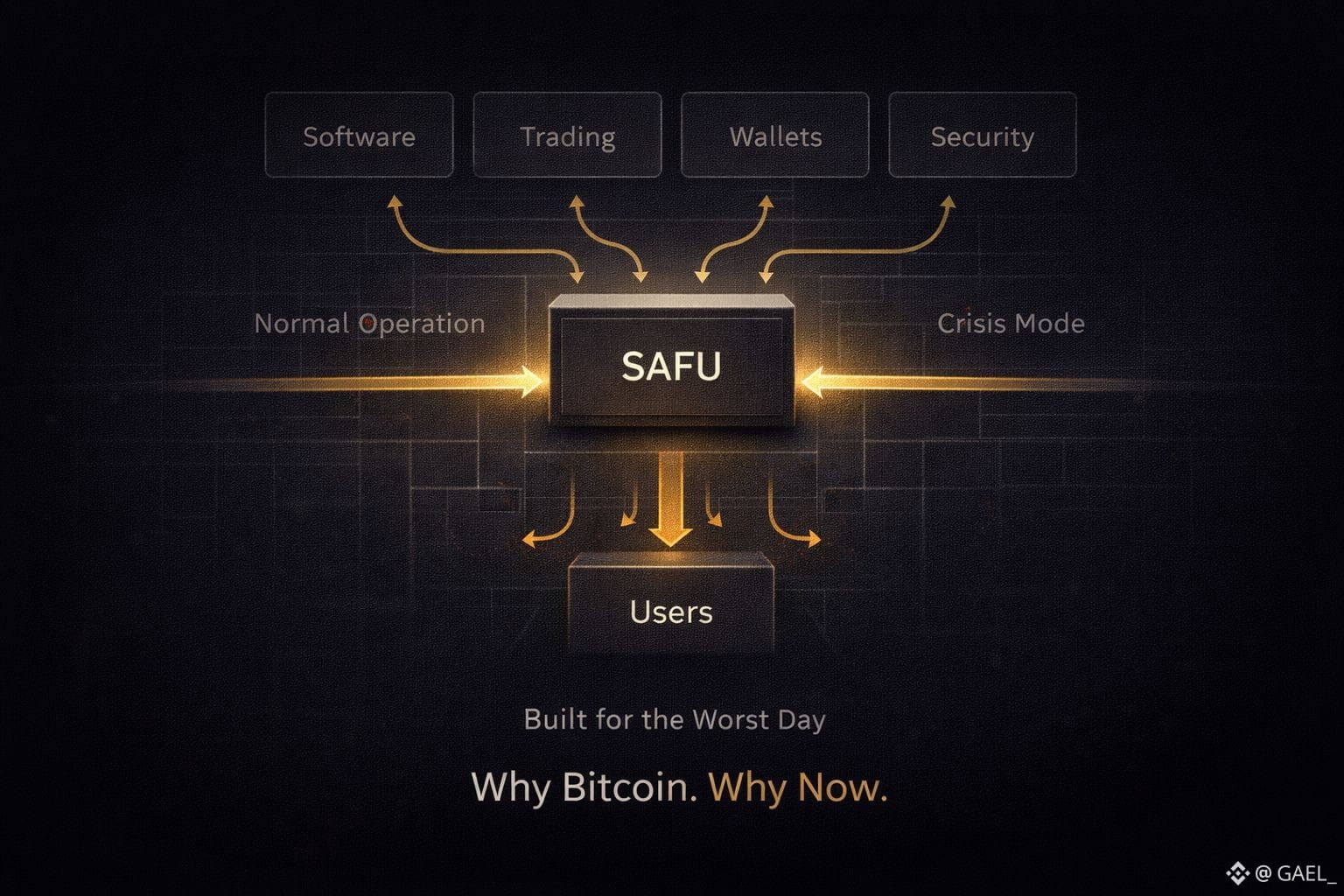
0SAFU is not a selling quality. It is a risk management process. Investments in SAFU are not to be actively traded and yield optimized. They are there to get things when all the other fares fail.
Binance has underscored that the SAFU fund will remain an actively maintained and rebalanced fund that is supposed to be valued at $1 billion even when Bitcoin undergoes drawdowns. That detail is critical. The fund is not being exposed to market fluctuations without a readjustment.
Differently put, Binance is not substituting volatility with stability. It is evening out one type of reserve asset in favor of another and retains the same protection requirement.
4 - Measurable Track Record User Protection.
Together with the announcement, Binance emphasized actual results: over 1 billion of recovered user funds and millions of users saved money and results in scams and fraud. This context is important.
The SAFU move is not a stand alone movement. It is a part of a wider story of Binance spending a lot of money on security tooling, surveillance infrastructure, and user protection infrastructure. Not the first, but the last line of defense is SAFU.
In that sense, Bitcoin is being deployed as a reserve of last resort - a liquid, internationally accepted asset that is not dependent upon an issuer.
5 - Response in the market and response in the industry.
The responses of the industry were divided in expected ways. Personalities such as Michael Saylor and Justin Sun publicly advocated the move as an affirmation of the position of Bitcoin as digital hard money.
The opponents, however, re-examined past concerns regarding Binance internal trading and transparency. Those are not recent issues, and, probably, they will not fade away as soon as some announcement occurs.
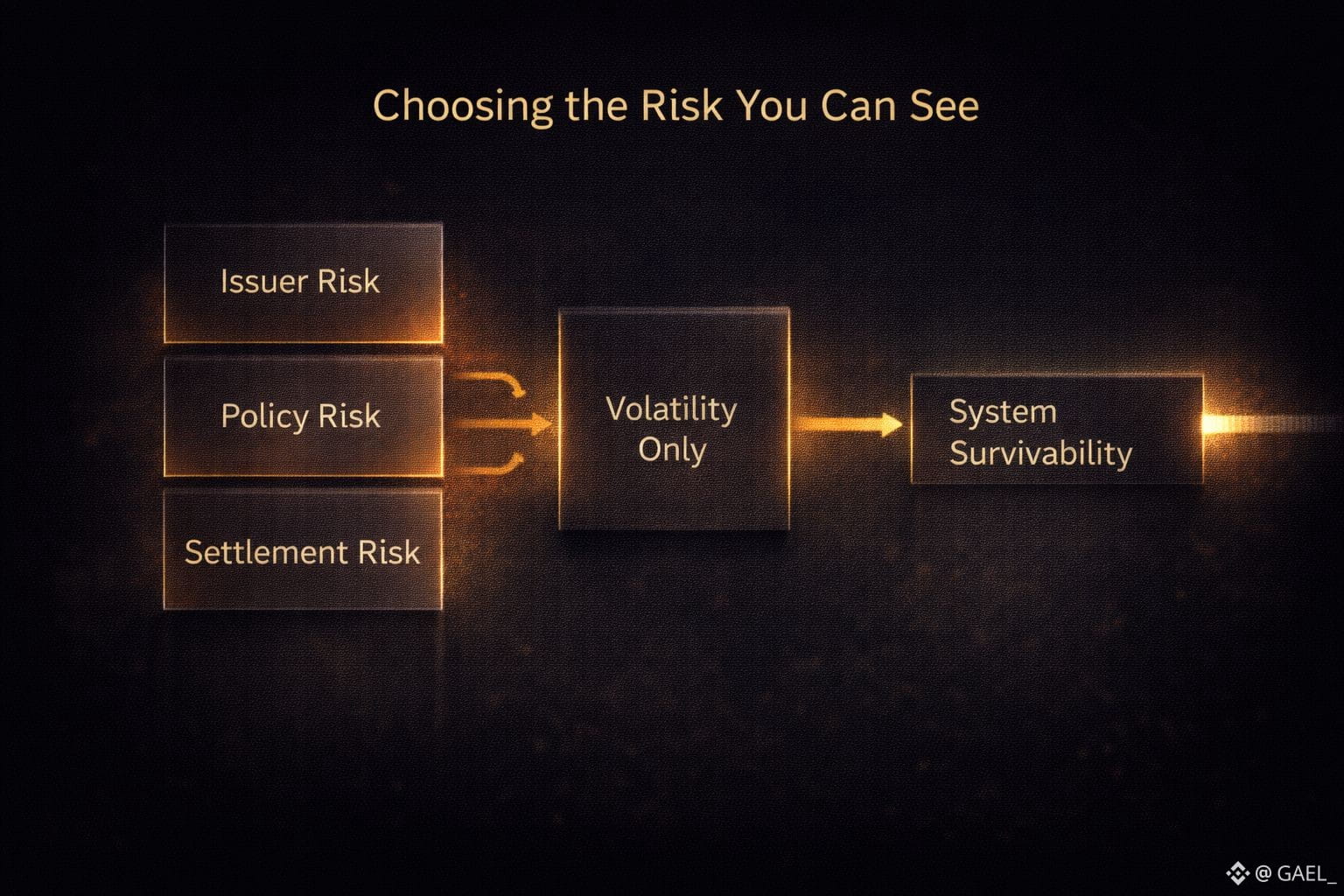
It is the clarity of purpose that is different this time. Binance does not claim that Bitcoin is safer since it is going up. It is contending that Bitcoin is more secure since it is not attached to platforms, issuers, and policies.
6 - What this Means to the Philosophy of Binance.
This move shows the way Binance considers the systemic risk. The stablecoins are practical, yet it has issuer risk, regulatory risks and risks on settlement. Bitcoin is associated with price volatility, but not with counterparty risk.
Moving SAFU reserves into Bitcoin, Binance is making a selection of an asset that is jurisdiction-liquid and censorship-resistant and can be traded continuously. Short term stability in prices will not hold much water in a crisis situation since the properties count more.
This is also in line with the larger ecosystem strategy of Binance. Be it Binance Square, onchain tooling or research efforts, Binance has been focused more on learning about the market structure instead of pursuing narratives.
7 - User and Market Implications.
To the users, the instant message is straightforward Binance is pegging its user insurances fund to the most liquid and widely recognized crypto asset. That will not do away with risk, but it will explain how Binance plans to deal with it.
To the market, this is a step that strengthens the role of Bitcoin which is changing. Bitcoin is no longer the mere speculative tool. One of the biggest in the industry is also using it as balance sheet infrastructure.
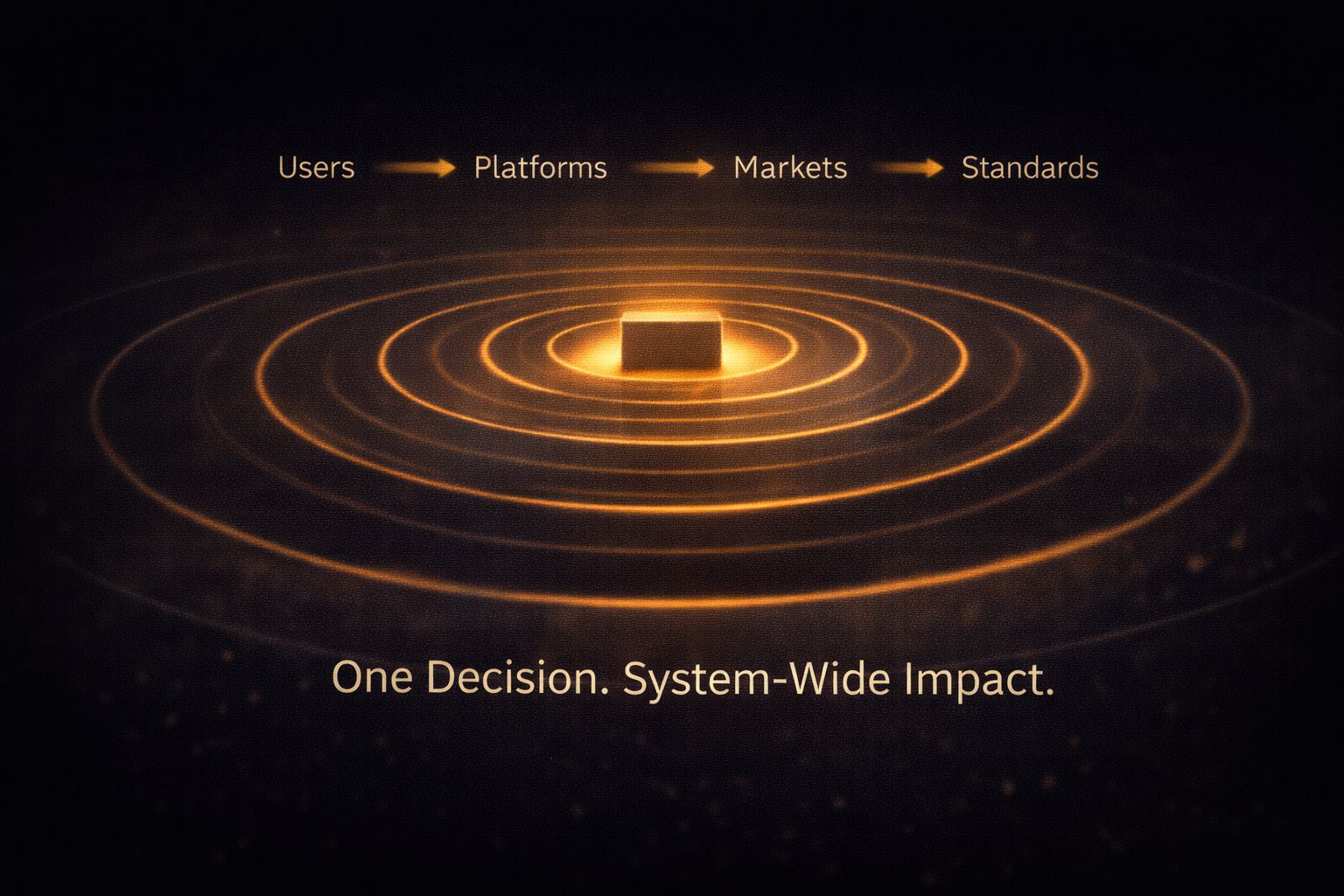
The impact of that change has second-order effects. It shapes the consideration that other platforms place on reserves, how authorities view crypto risk and how consumers perceive protection structures.
8 - A Long Story, Not a Short Story.

The SAFU conversion cannot be interpreted through the prism of daily price. And it is a structural readjustment and not a call to direction. Binance is balancing their most serious safety mechanism with the asset when systems are pushed to the limit.
It does not matter whether one accepts or rejects that choice but it is evident in terms of intent. This has nothing to do with optics but to do with durability.
According to a market where it is easy to mix activity with conviction, SAFU move by Binance is exceptional since it is an investment in faith. And in crypto, the belief supported by the structure is more likely to go further than words.


