

In a landscape where blockchains race for higher throughput and cheaper transactions, Dusk Network takes a fundamentally different path. Instead of optimizing for raw speed alone, Dusk is engineered from the ground up to support privacy-preserving, compliant, and programmable financial applications. Its architecture reflects a clear understanding of real-world financial requirements: confidentiality, verifiability, regulatory compatibility, and long-term scalability.
At its core, Dusk is not a single monolithic chain. It is a carefully layered system where each component has a sharply defined responsibility. This separation of concerns allows the network to evolve without compromising its security model or developer experience. Rather than forcing every application to operate under the same assumptions, Dusk offers a flexible foundation where privacy and transparency can coexist by design.
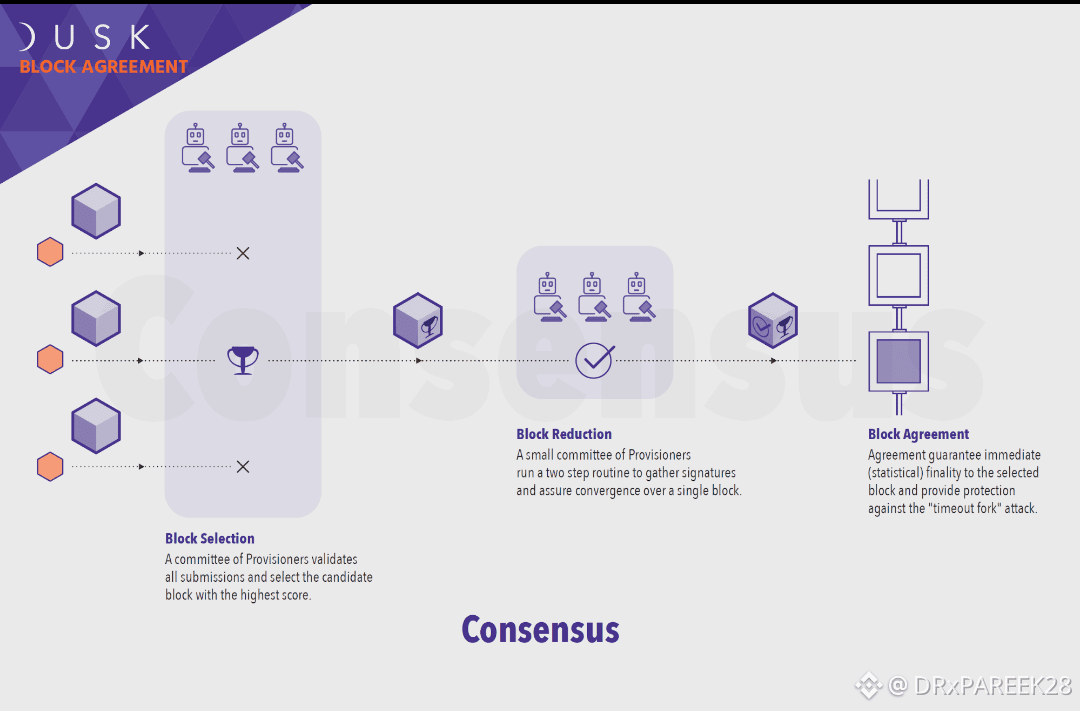
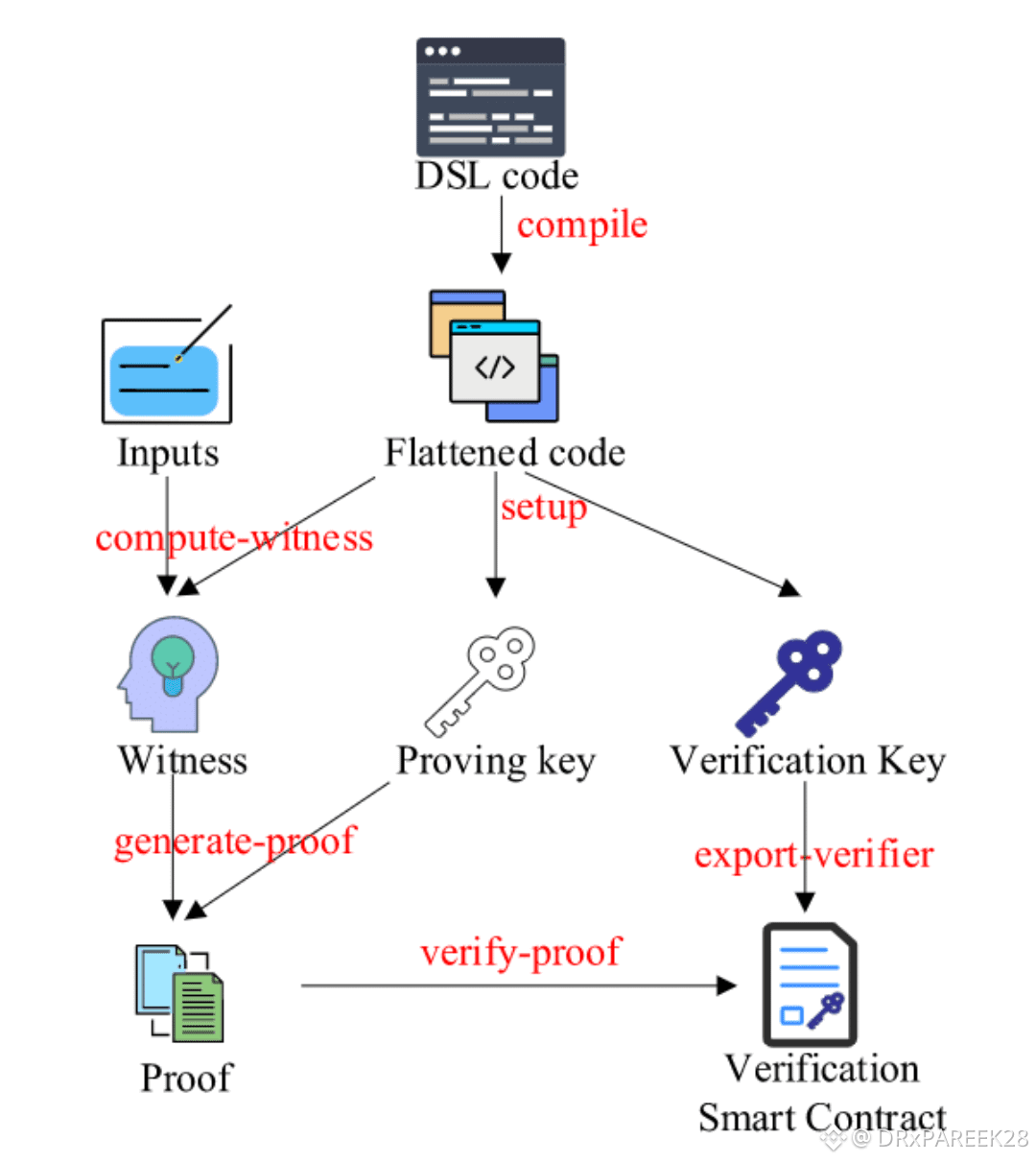
The Settlement Layer: Where Finality and Trust Converge
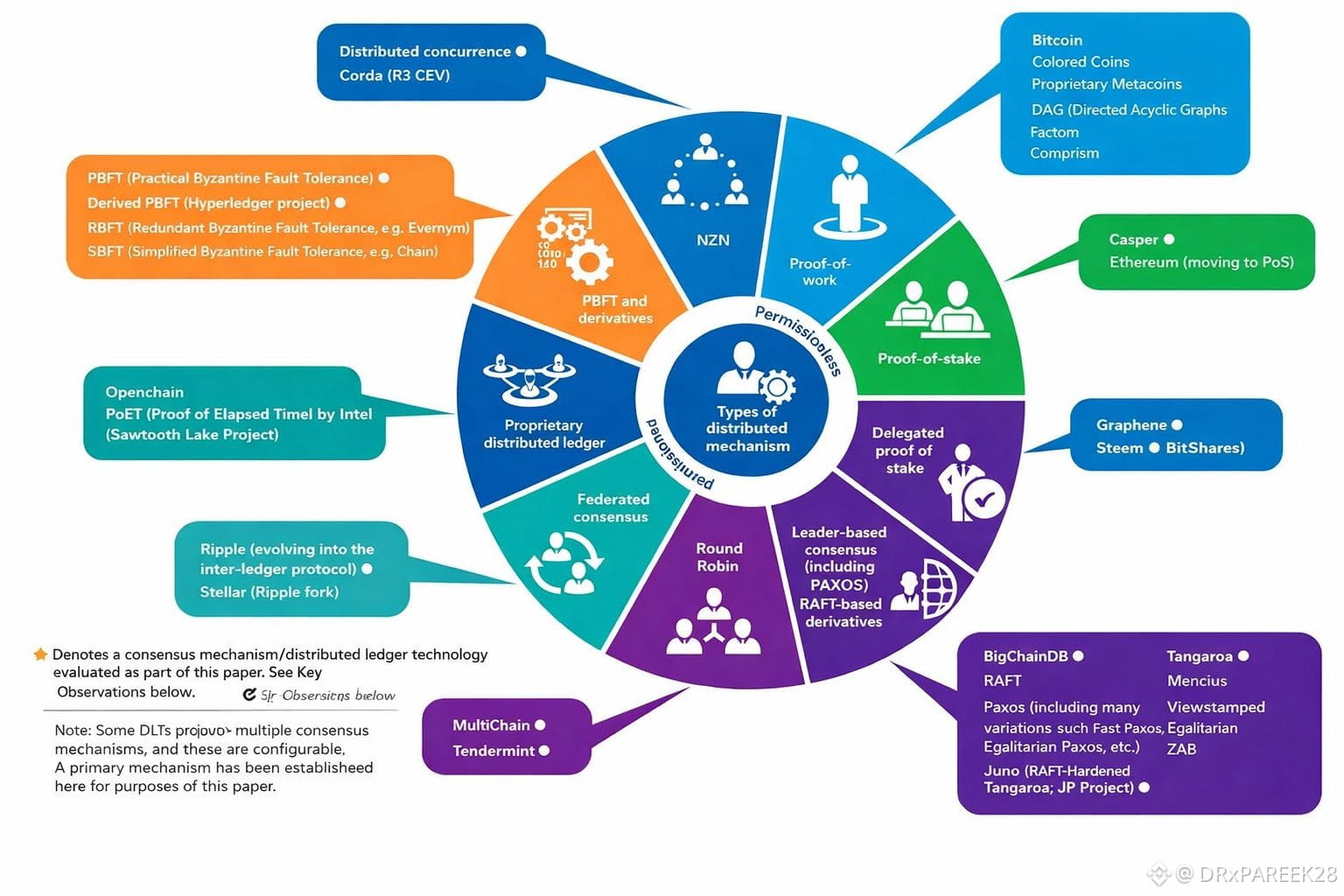
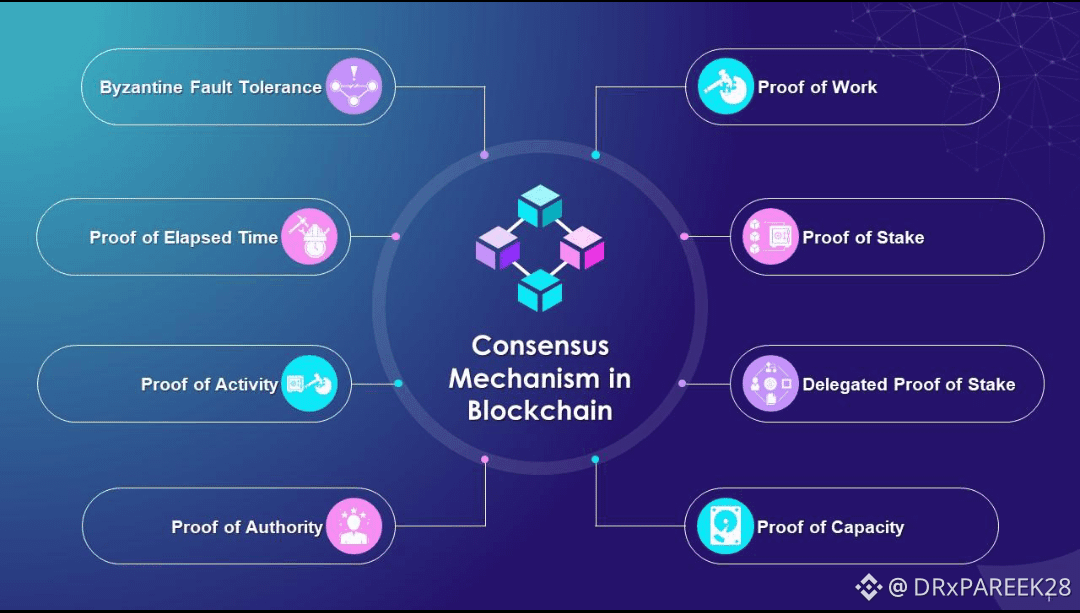
The backbone of the network is its settlement and consensus layer. This layer is responsible for transaction finality, data availability, and the native transaction model that secures value transfer across the ecosystem. Instead of relying on heavy computation at every step, Dusk uses succinct cryptographic proofs to validate state transitions. This dramatically reduces verification overhead while maintaining strong security guarantees.
What makes this layer distinctive is its ability to confirm complex transactions without exposing sensitive information. Financial logic can be verified as correct without revealing balances, counterparties, or private business rules. For institutions and advanced decentralized applications, this is not a luxury feature; it is a prerequisite.
A Native Environment for Smart Contracts with Familiar Tools
On top of the settlement layer sits an execution environment designed to feel familiar to developers while remaining aligned with Dusk’s privacy goals. Smart contracts can be deployed using well-known development patterns, while the network’s native asset is used seamlessly for execution costs. This approach lowers the barrier for builders migrating from existing ecosystems, while still benefiting from Dusk’s privacy-first foundations.
Importantly, this execution environment does not dilute the network’s core philosophy. Contracts interact with the underlying settlement logic in a way that preserves confidentiality where required and transparency where beneficial. The result is a programmable layer that supports both open decentralized finance and controlled institutional workflows.
Nodes, Validation, and Cryptographic Efficiency
A blockchain’s strength is ultimately determined by the nodes that validate it. Dusk’s reference node implementation is optimized to run advanced cryptographic verification efficiently. By leveraging succinct attestations, nodes can validate blocks and transactions without re-executing every computation in full detail.
This design choice has profound implications. It reduces hardware requirements, encourages wider participation in validation, and improves overall network resilience. In practical terms, it means the network can scale responsibly without pushing validators toward centralization.
Identity and Access Without Sacrificing Privacy
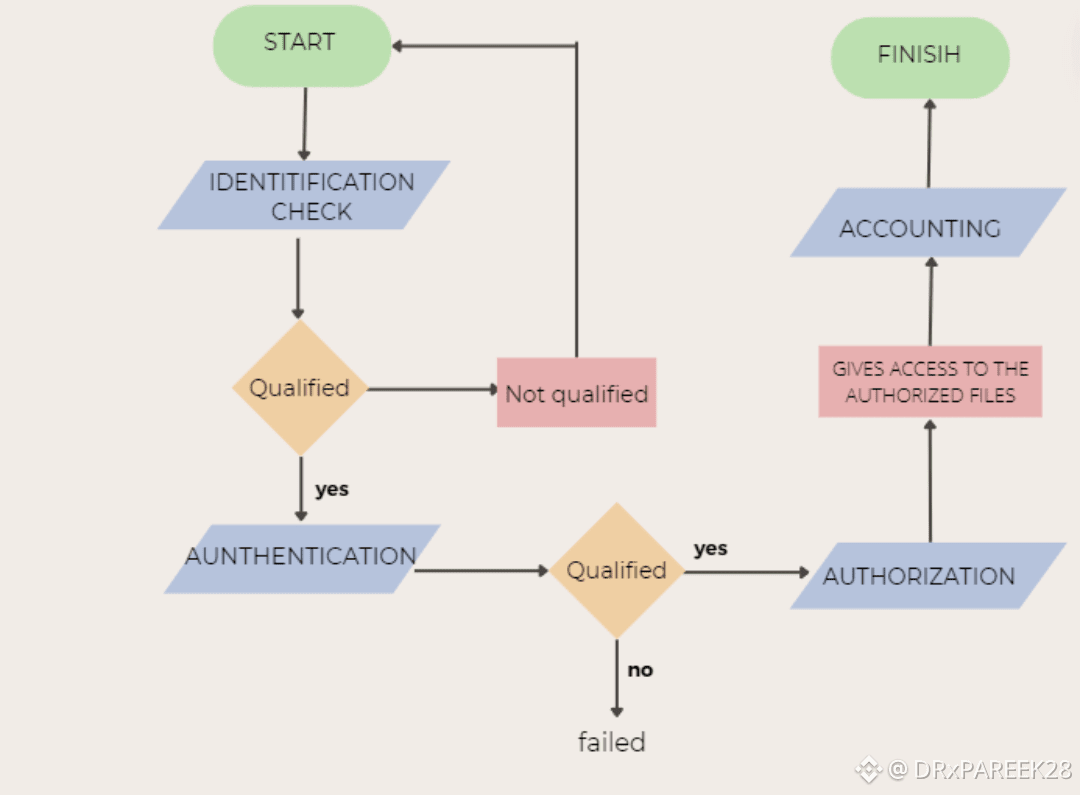
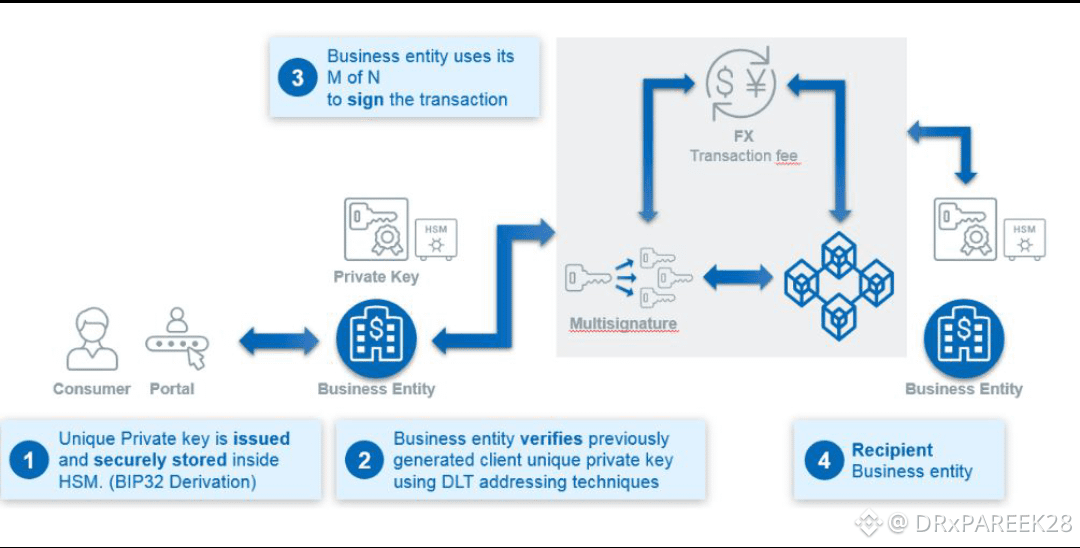
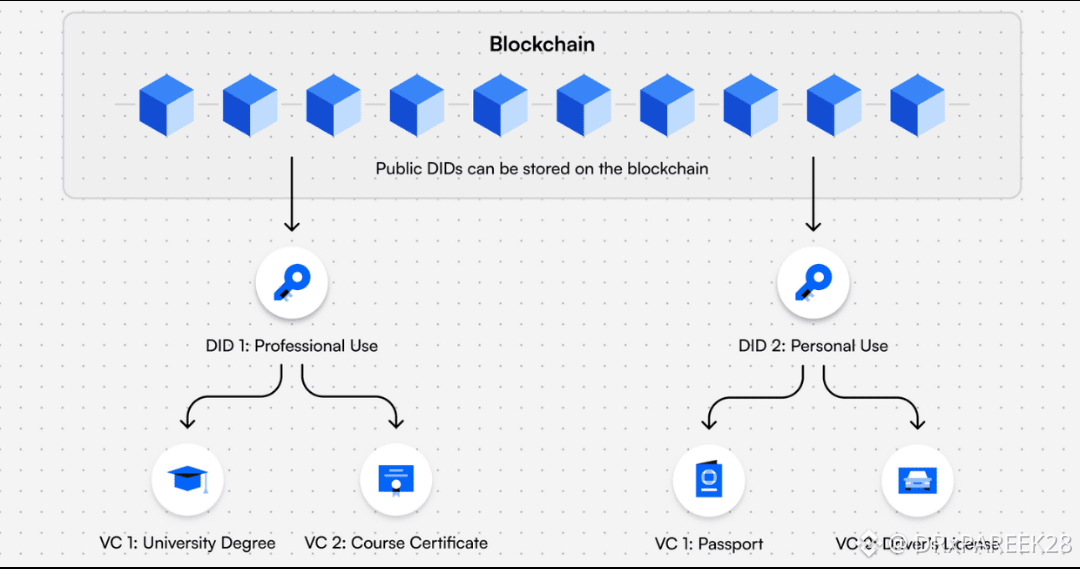
One of the most overlooked challenges in blockchain finance is identity. Traditional systems demand strict compliance, while decentralized systems often avoid identity entirely. Dusk bridges this gap by introducing identity and access primitives that support permissioned flows without compromising user privacy.
These primitives allow applications to enforce access rules, compliance checks, and role-based permissions, all while keeping sensitive identity data protected. For enterprises and regulated institutions, this opens the door to deploying blockchain solutions that align with legal requirements rather than conflicting with them.
A Modular Vision Built for the Long Term
What truly sets Dusk apart is not any single feature, but the coherence of its overall architecture. Each component reinforces the others. Settlement ensures trust, execution enables programmability, node infrastructure guarantees efficiency, and identity primitives unlock real-world adoption. This modular approach ensures that improvements in one area do not destabilize the rest of the system.
Rather than chasing short-term trends, Dusk is positioning itself as infrastructure for the next generation of financial applications. These are applications that must operate across jurisdictions, protect sensitive data, and still deliver the transparency and auditability that blockchain promises.
Performance That Serves Purpose, Not Hype
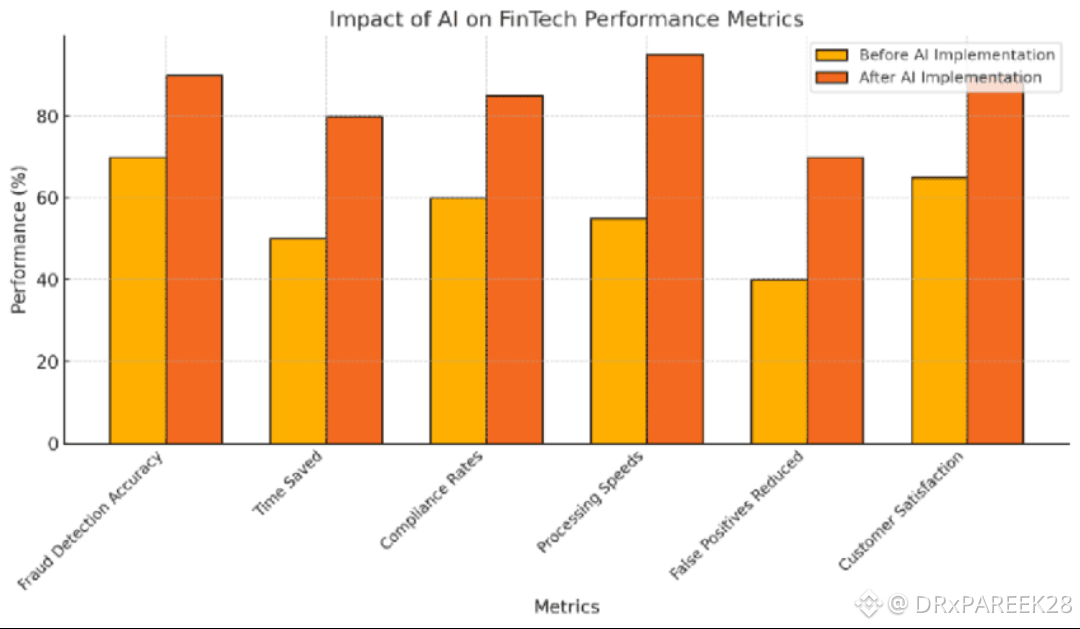
While performance metrics matter, Dusk treats them as a means rather than an end. The network is optimized to handle complex financial logic efficiently, not just simple token transfers. This is reflected in how resources are allocated and how execution is verified.
Instead of advertising theoretical maximum throughput, the architecture focuses on sustainable performance under realistic conditions. This makes the network more predictable, more secure, and ultimately more useful for serious applications.
Why Dusk’s Architecture Matters
Dusk Network represents a shift in how blockchain infrastructure is designed. It acknowledges that the future of decentralized technology is not purely anonymous nor fully transparent, but selectively private and verifiably compliant. By structuring the network around clear architectural layers, Dusk creates an environment where developers, institutions, and users can build with confidence.
This is not experimentation for its own sake. It is a deliberate, well-reasoned design aimed at bringing blockchain into domains that demand trust, discretion, and reliability. As decentralized finance matures, architectures like Dusk’s are likely to define the standard rather than the exception.
In that sense, Dusk is not just another network. It is a statement about what blockchain infrastructure must become to support the real economy—secure, private, compliant, and built to last.
