

Decentralized storage has always promised freedom, resilience, and trustless data ownership. Yet for years, that promise struggled to reach real builders and real applications because access was rigid, unfamiliar, and disconnected from how the modern internet actually works. Walrus changes that equation by focusing on one core principle that many protocols ignore: access flexibility is not optional, it is foundational.
Walrus is built to meet developers, operators, and applications exactly where they are. Instead of forcing a single interaction model, Walrus exposes its decentralized storage layer through multiple access paths that all lead to the same trust-minimized core. This approach transforms decentralized storage from an isolated system into a living part of the broader internet stack.
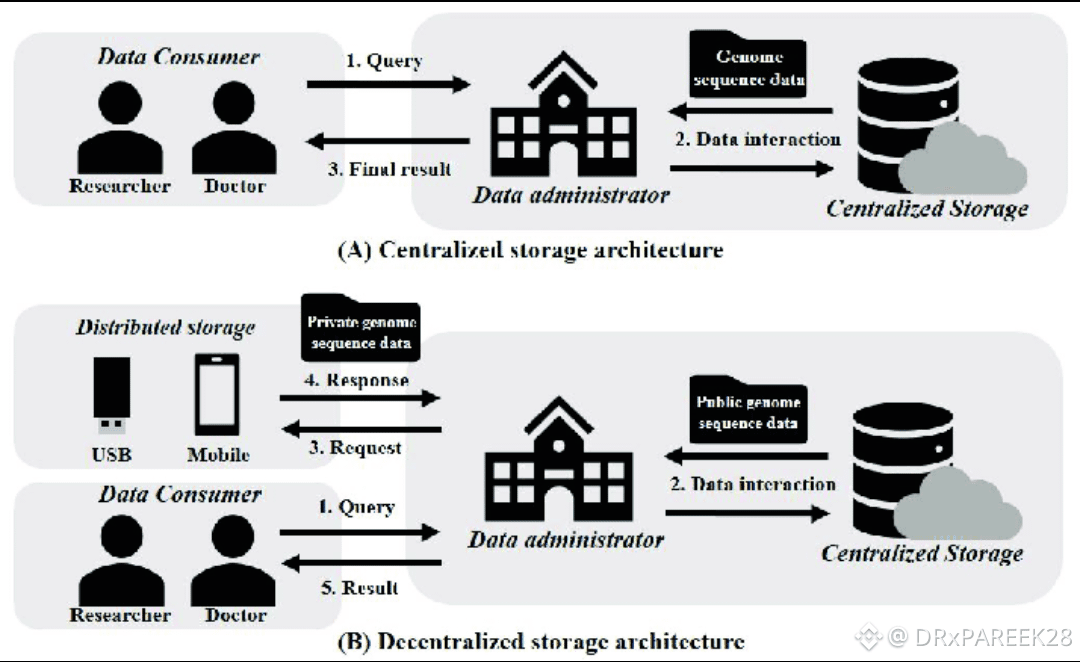
At the most direct level, Walrus enables interaction through local command-line tools. This empowers infrastructure teams and advanced users to operate storage logic directly from their own environments. Running operations locally is not just a convenience feature; it is a decentralization guarantee. When users can store, retrieve, and manage data without relying on hosted dashboards or centralized gateways, control remains in the hands of the participant, not the platform.
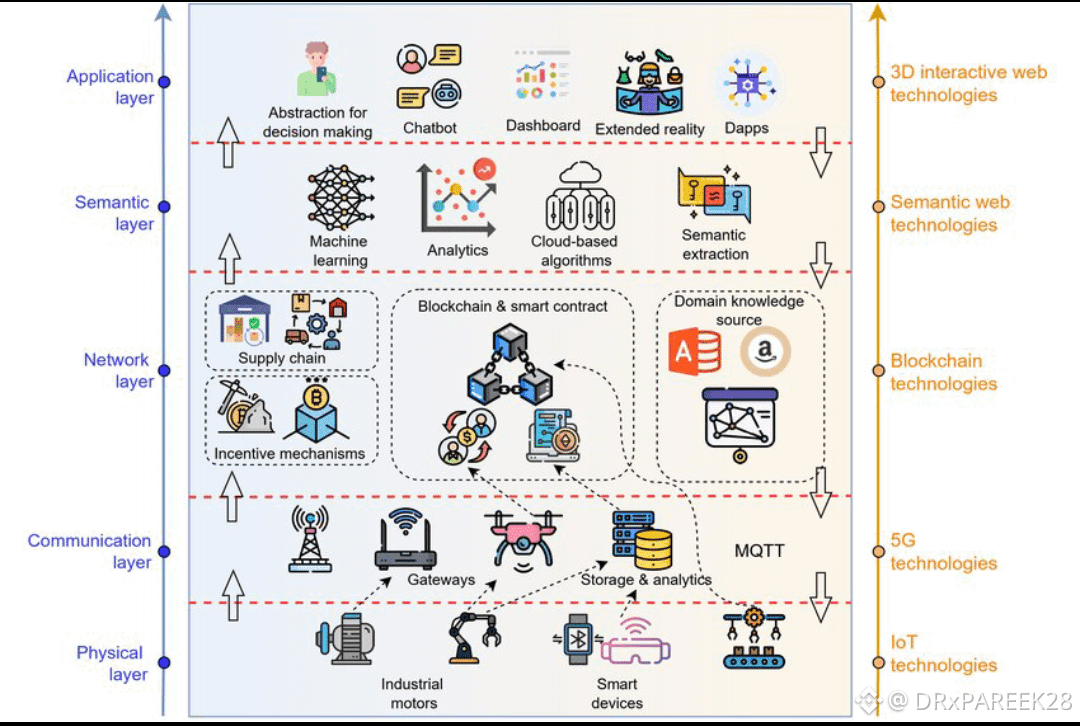
Beyond direct terminal access, Walrus extends its functionality through software development kits. These SDKs allow applications to integrate decentralized storage natively, without complex workarounds. Developers can embed Walrus directly into backend services, decentralized apps, and even hybrid Web2-Web3 products. This lowers the barrier to adoption while preserving the underlying decentralized guarantees.
The most powerful design choice, however, is Walrus’s ability to communicate using standard HTTP technologies. By supporting familiar web protocols, Walrus becomes instantly compatible with existing applications, browsers, and services. This means decentralized storage can be consumed just like traditional infrastructure, without forcing developers to abandon established workflows.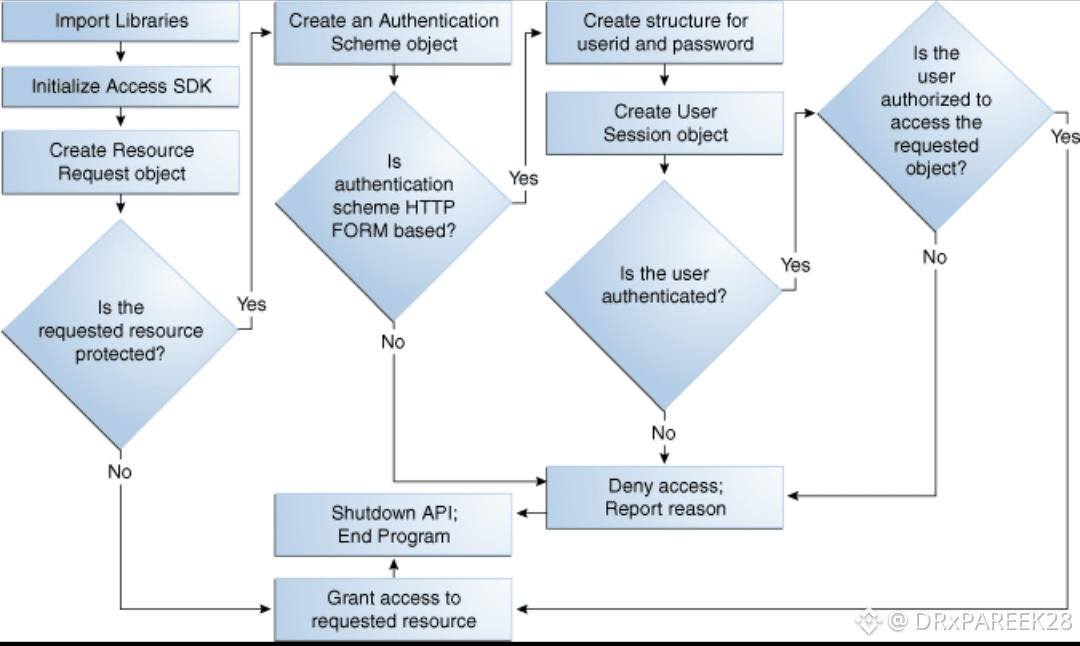
What makes this approach truly unique is how Walrus treats traditional caching and content distribution systems. Instead of rejecting them as centralized threats, Walrus integrates with them as optional performance layers. Cached data can be delivered at high speed across global networks while the source of truth remains decentralized and verifiable. This creates an experience where users enjoy Web2-level performance without sacrificing Web3-level trust.
Crucially, these performance optimizations never become dependencies. Walrus is designed so that every operation can still be executed locally using open tools. If external infrastructure disappears, the network continues to function. This separation between optimization and necessity is what preserves decentralization at scale.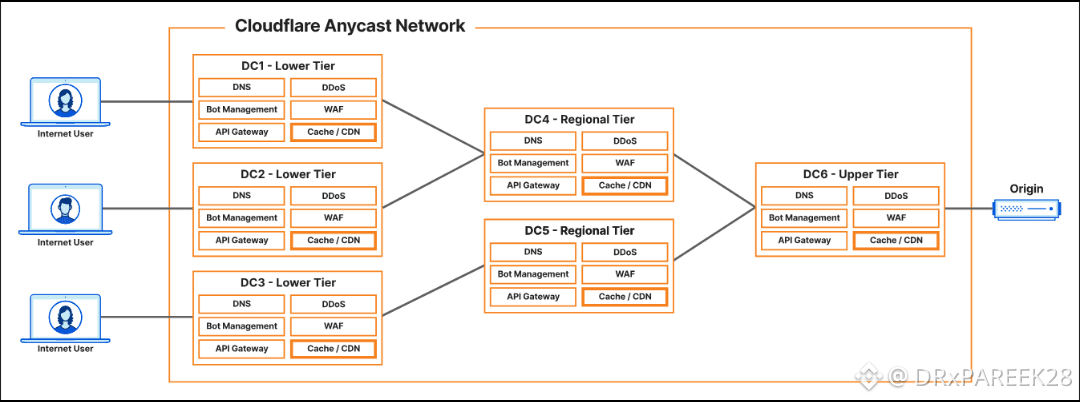
From a system perspective, this architecture creates resilience in multiple dimensions. Access diversity reduces single points of failure. Local execution prevents enforced centralization. Compatibility with existing internet standards accelerates adoption. Each layer reinforces the others, resulting in a storage network that is both powerful and practical.
This flexibility also future-proofs Walrus. As applications evolve toward AI agents, automated systems, and machine-to-machine interactions, rigid access models will fail. Walrus already supports the kind of programmable, autonomous access these systems require. Whether data is requested by a human, a service, or an autonomous agent, the interaction model remains consistent and decentralized.
At its core, Walrus is not trying to replace the internet. It is trying to upgrade it. By speaking the languages developers already use, while enforcing decentralization at the protocol level, Walrus removes the false choice between usability and sovereignty.
This design philosophy makes Walrus more than just a storage layer. It becomes an access layer, a compatibility layer, and a decentralization layer all at once. Data remains owned by users, operations remain verifiable, and performance remains competitive with centralized systems.
In a space often obsessed with raw metrics, Walrus focuses on real-world integration. It understands that decentralization only succeeds when it feels natural, invisible, and empowering. By allowing multiple ways to interact, optimizing without dependency, and preserving local control, Walrus sets a new standard for what decentralized storage can and should be.
Walrus does not ask the internet to change its behavior. It quietly changes the rules beneath it — and that is exactly why it works.

