

Plasma isn’t trying to be loud. It isn’t chasing hype. And that’s kind of the point.
At its core, Plasma Blockchain is built around one simple idea:
stablecoins should move as easily as cash, but at internet speed.

Most blockchains try to be everything at once. NFTs. Games. DeFi. Memes. Plasma goes the opposite way. It narrows the focus and says — let’s fix payments first.
And honestly, that’s refreshing.
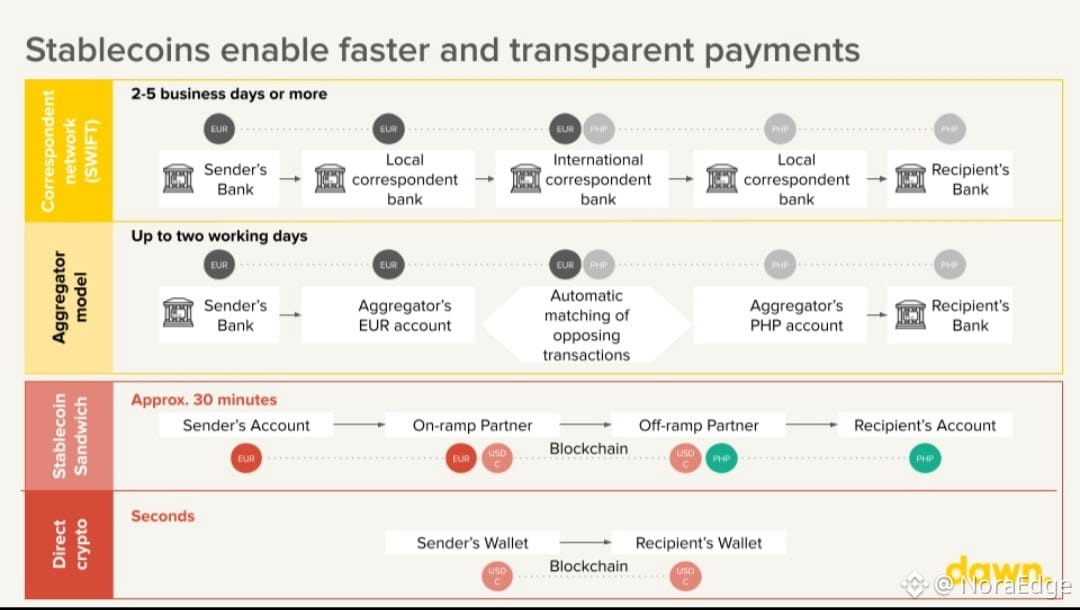
@Plasma is designed as a Layer-1 chain optimized specifically for stablecoin settlement. Not as a side feature. As the main job. That means fast finality, predictable fees, and infrastructure that actually makes sense for people and businesses moving money every day.
One of the smartest things Plasma does is lean into EVM compatibility. This isn’t about reinventing the wheel. Developers can use familiar tools, existing smart contracts, and proven patterns — without friction. If you’ve built on Ethereum before, Plasma feels familiar. Comfortable. Practical.

But here’s where it gets interesting.
Plasma introduces stablecoin-first mechanics. Gas paid in stablecoins. Transfers that feel gasless to users. No mental math with volatile tokens just to send USDT. You send a dollar. The network understands that. Simple.
Under the hood, Plasma also anchors security to Bitcoin. That adds a different layer of confidence. Bitcoin doesn’t need to be fast — it needs to be solid. Plasma borrows that strength while doing the speed and usability part itself.
This combination matters more than people realize.
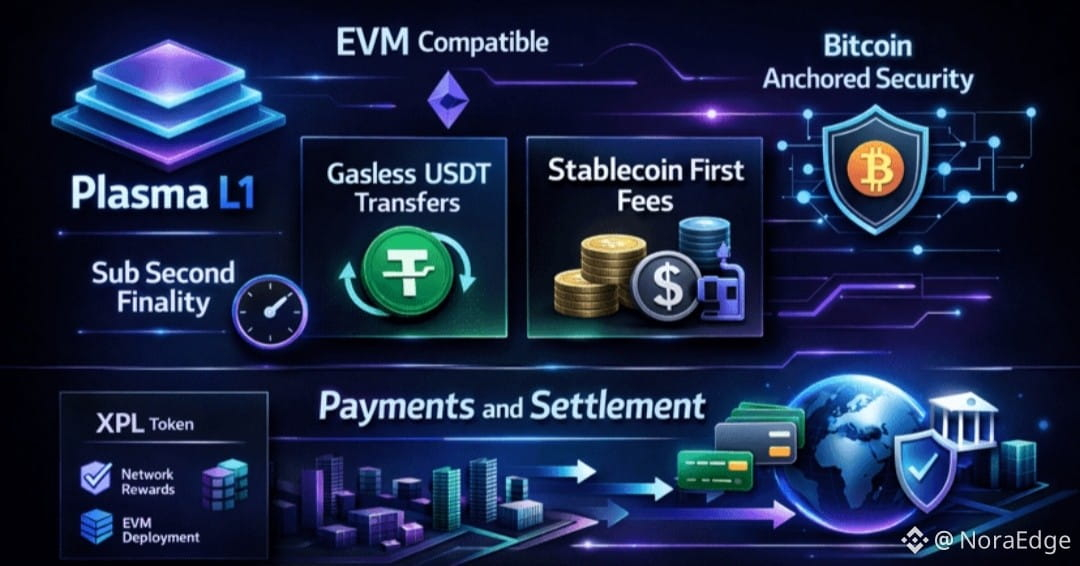
Retail users want simplicity. Institutions want predictability. Merchants want settlements that don’t surprise them overnight. Plasma sits right in the middle of that triangle.
It’s not screaming about “the next 100x.”
It’s quietly building rails.
And in crypto, the projects that focus on rails — not fireworks — are usually the ones still standing later.
#Plasma feels less like an experiment and more like infrastructure. The kind you don’t notice until everything else depends on it.
That’s not flashy.
But it’s powerful.