

Markets don’t reject blockchains because they dislike transparency; they reject them because “transparent by default” breaks business reality. Trading venues can’t expose who holds what. Issuers can’t leak cap tables. Funds can’t publish their flows tick-by-tick. Yet regulators still require auditability, controlled transfers, and clear liability. Dusk Network aims at this exact tension, and it does so with architecture, not marketing.
At the base is DuskDS, described as the settlement, consensus, and data-availability layer for the stack, with a native bridge to move between execution environments built on top (including DuskEVM and DuskVM). That modular split matters: institutions want a stable settlement anchor, while execution layers can evolve faster without constantly rewriting the rules of the chain.
DuskDS supports two native transaction models:
• Moonlight: public, account-based transfers for straightforward compliance and exchange integration.
• Phoenix: shielded, note-based transfers using zero-knowledge proofs, designed for confidential balances and private movement of value. 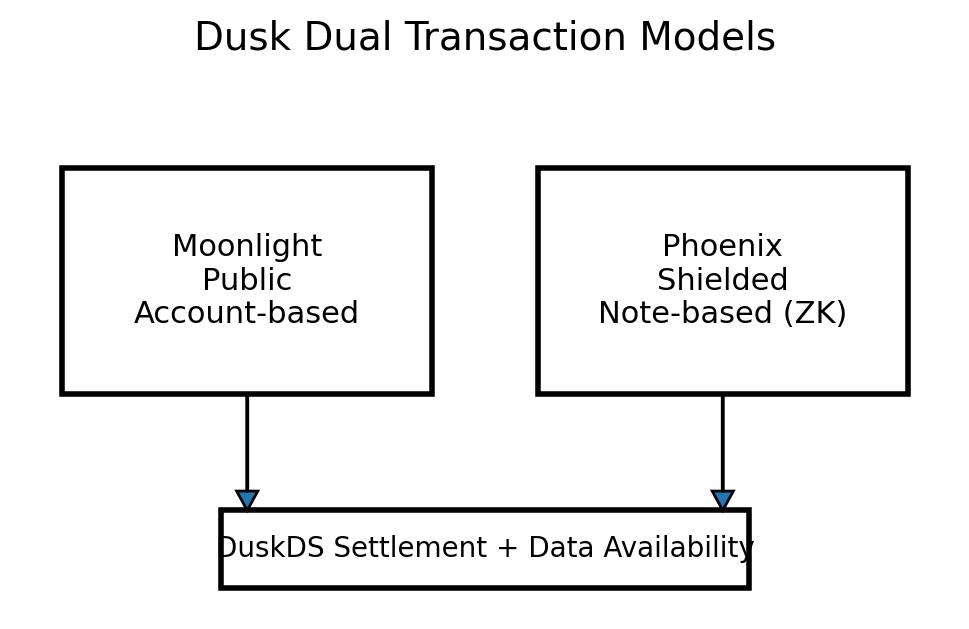
The point isn’t to force every user into one privacy posture. It’s to let applications pick the right lane per operation: public where the process demands visibility, shielded where confidentiality is the product.
Then comes the most practical bridge between “privacy” and “regulation”: selective disclosure, the ability to reveal what’s necessary to authorized parties without turning the whole ledger into a glass house. Dusk explicitly frames privacy with transparency when needed, instead of treating them as opposites.
On the execution side, DuskEVM is positioned as an EVM-equivalent environment that inherits security and settlement guarantees from DuskDS, aimed at developers who want standard EVM tooling while targeting regulated finance requirements. This is where the stack becomes immediately legible to builders: Solidity workflows, familiar deployment patterns, but with privacy/compliance primitives available as first-class options.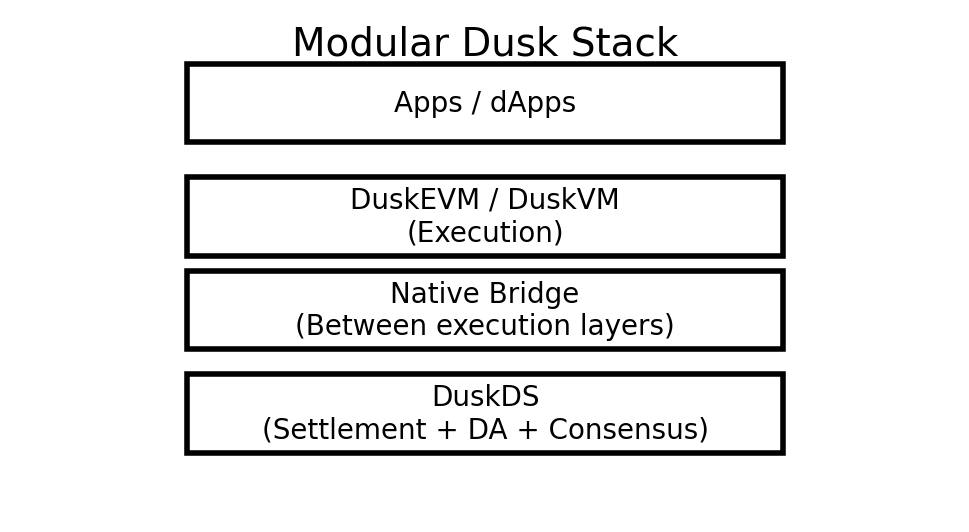
For real-world financial use cases, the chain leans heavily into token standards that match how securities actually behave. Dusk’s docs describe Zedger/Hedger as an asset protocol with a hybrid model and the XSC (Confidential Security Contract) functionality needed for the full lifecycle of securities and regulatory compliance. Dusk’s own use-case writeup frames XSC as a standard for privacy-enabled tokenized securities, explicitly calling out lifecycle management and corporate actions.
This is the “boring but essential” layer: transfer restrictions, shareholder handling, and actions like votes/dividends, features that become non-negotiable the moment regulated assets show up.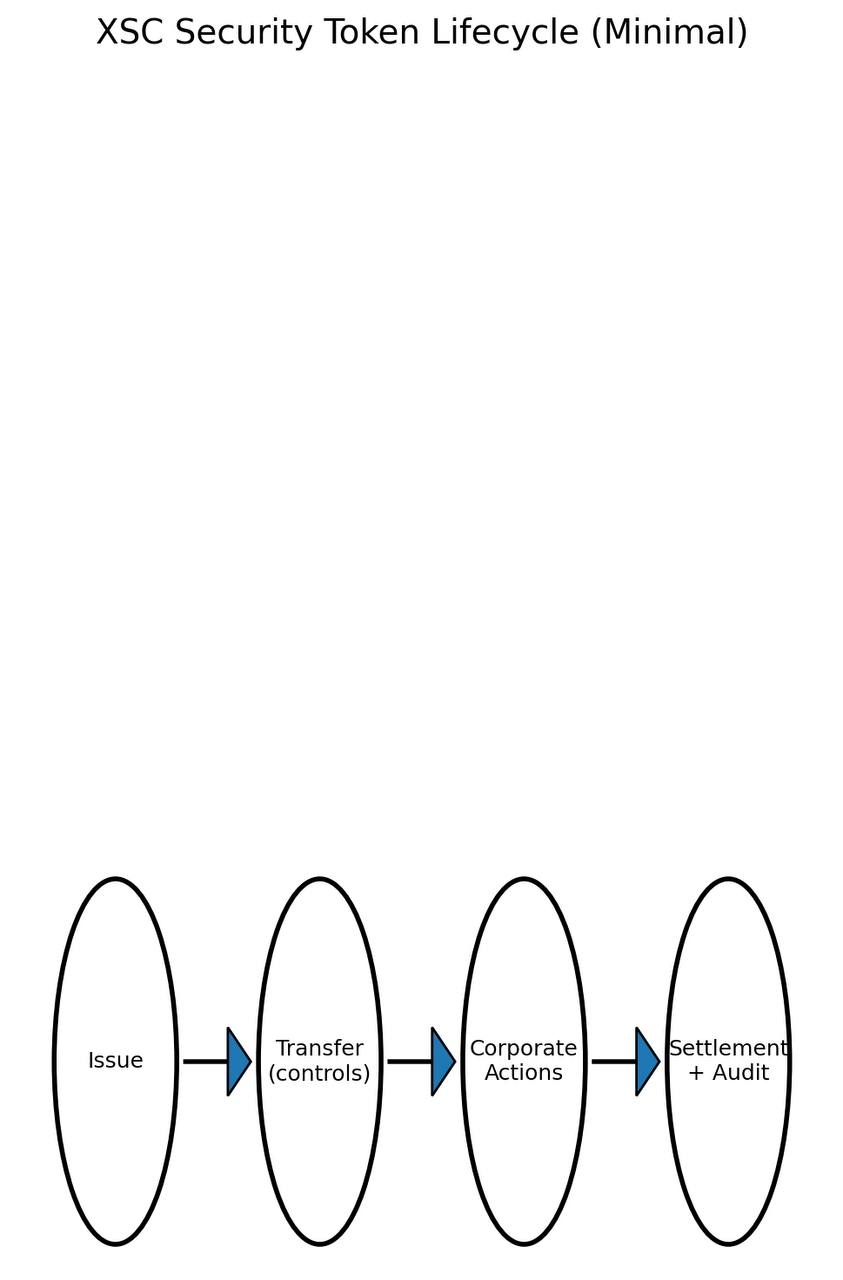
Recent engineering direction also highlights the cryptographic stack for “auditable privacy” on EVM. Dusk’s Hedger write-up explains that Hedger brings confidential transactions to DuskEVM by combining homomorphic encryption with zero-knowledge proofs, designed to balance privacy, performance, and compliance. In other words: privacy that can still prove correctness, and privacy that can still satisfy oversight.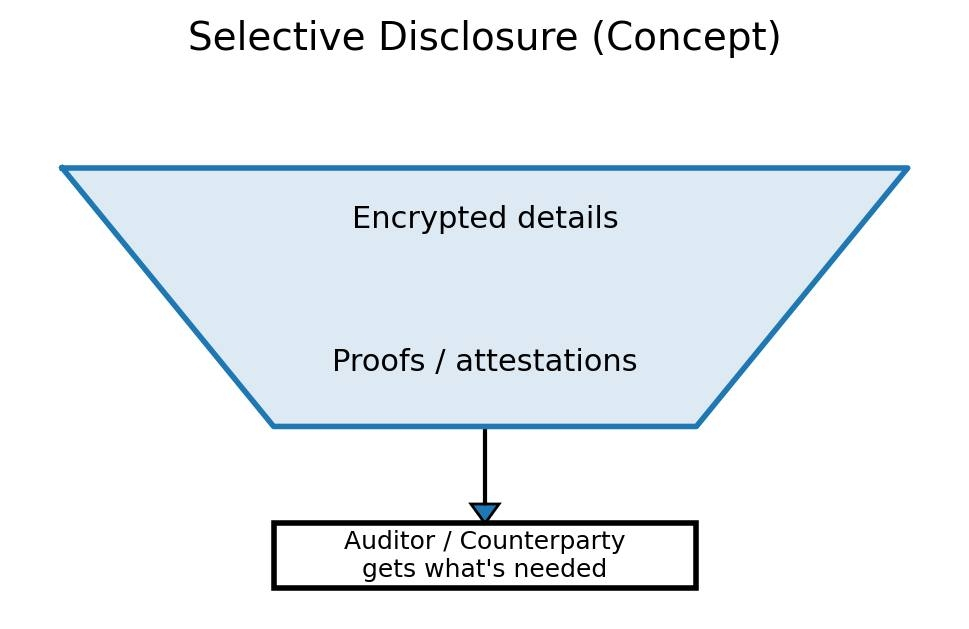
What makes this more than theory is the regulated-market integration storyline around NPEX. Dusk’s own “Regulatory Edge” post frames the partnership as access to a suite of financial licenses (MTF, Broker, ECSP, and a forthcoming DLT-TSS), with the intention of embedding compliance across the protocol. In parallel, Dusk and NPEX announced adoption of Chainlink interoperability and data standards (including Data Streams and DataLink) to publish regulatory-grade market data onchain and support cross-chain settlement patterns.
That combination, licensed venue context + standardized data rails, targets a key institutional requirement: it’s not enough to settle; the system must also deliver verifiable reference data and integration paths.
So what should we conclude about $DUSK and the network’s trajectory?
Dusk is trying to make privacy a controllable setting inside compliant finance workflows, not an all-or-nothing ideology. The design choices—dual transaction models (Phoenix/Moonlight), modular settlement (DuskDS) with execution environments (DuskEVM), and security token standards (XSC)—all point in the same direction: confidential markets with provable process.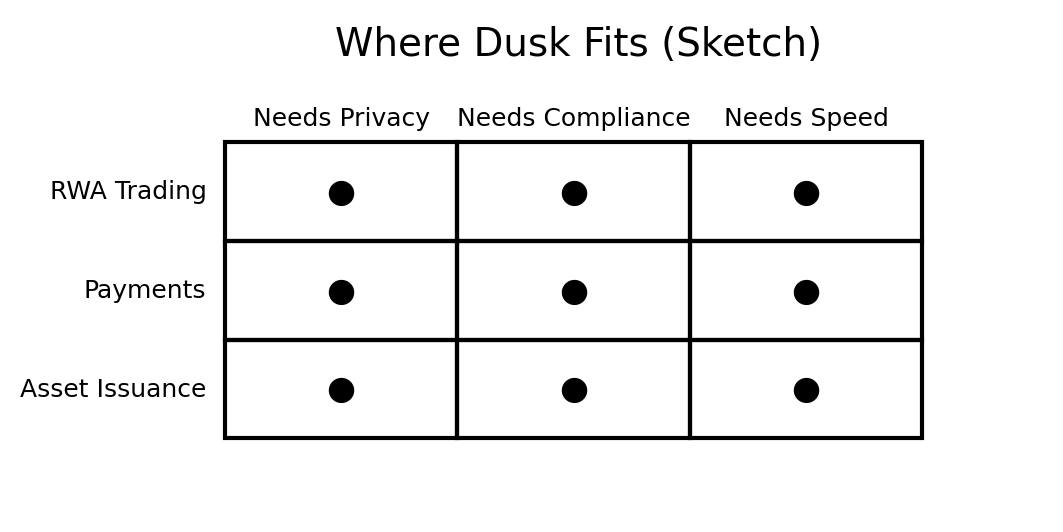
The success metric isn’t a single benchmark. It’s whether regulated issuance, secondary trading, and audit requirements can run end-to-end without leaking the sensitive parts of the ledger. If Dusk proves that pattern at scale, $DUSK becomes more than a ticker, it becomes the gas, staking anchor, and incentive layer behind a compliance-ready privacy stack that feels normal to institutions and familiar to EVM developers.
@Dusk $DUSK #Dusk