
Over the last few years, #crypto has been changing in a quiet way. It is no longer only about decentralization or financial freedom. More and more projects are focused on making things easier. Fewer steps. Less technical work. More automation. On the surface, that sounds like exactly what Web3 needs.
But when systems become easier, they also change how people behave.
I often think about this when I look at Vanar. The project is clearly designed around making blockchain more accessible. With tools like Neutron and Kayon, users do not need to understand technical details. You describe what you want, and the system handles the execution. For gaming, entertainment, and everyday users, this can remove most of the fear that keeps people away from crypto.
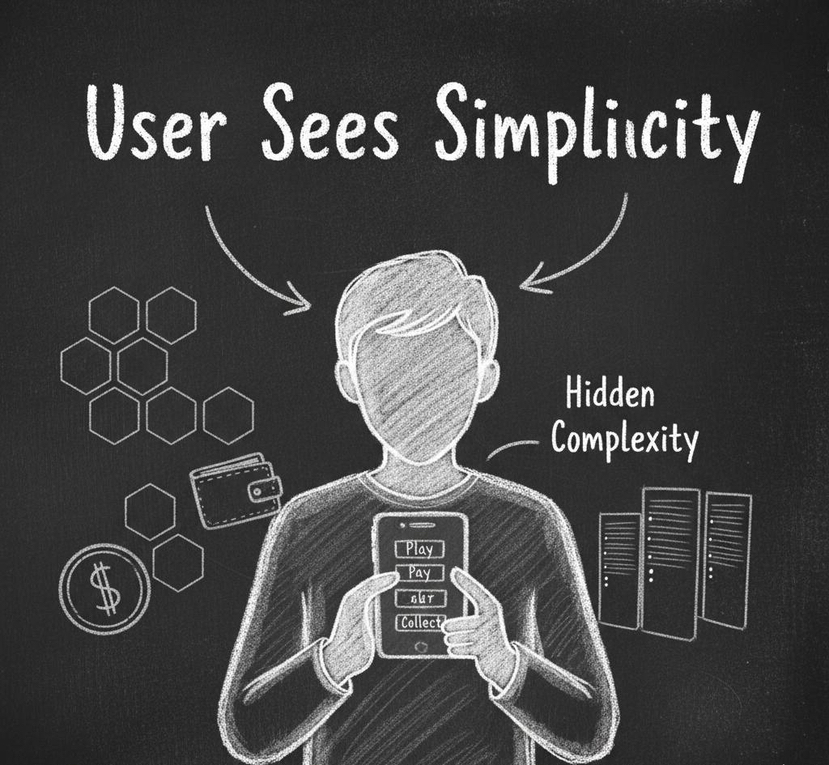
From a user experience point of view, this is a strong direction.
Most people do not want to learn about gas fees, nonces, or network congestion. They want to play, pay, create, and move on. If Vanar can make that process feel simple and reliable, it has real potential to attract non-crypto users.
At the same time, simplicity has consequences.
In early #Web3 , responsibility was very clear. You signed the transaction. You managed your wallet. If something went wrong, it was your mistake. That was stressful, but it created awareness. Users knew they had to be careful.
With more automation and AI-driven tools, that clarity becomes weaker.
If a system interprets your request and executes it for you, the line between your decision and the system’s decision becomes blurry. If funds are moved in an unexpected way, was it user error, system error, or data error? In many cases, it will not be easy to say.
This is not a problem unique to Vanar. It applies to many projects trying to simplify Web3. But Vanar is moving faster in this direction than most, which makes it more visible.
Another aspect is trust.
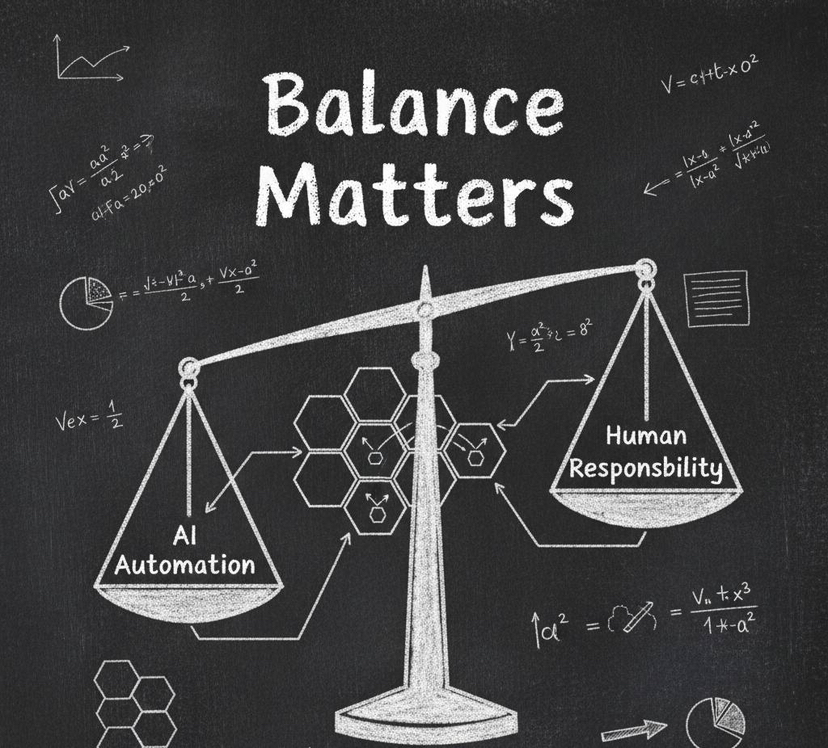
Crypto often talks about being “trustless,” but in practice people always trust something. Before, they trusted code and cryptography. Now they are starting to trust automation layers, interfaces, and AI models. That is a different kind of trust, and it needs different safeguards.
If users rely on systems they do not fully understand, transparency and accountability become more important, not less.
For Vanar, this means that usability alone is not enough. Over time, it will also need strong systems for explaining actions, handling mistakes, and resolving disputes. Without that, convenience can turn into confusion when something goes wrong.
To be clear, I do not see this as a reason to avoid Vanar. I see it as the next challenge it must solve.
Its focus on gaming and entertainment shows that it understands how real users behave. Its technical stack shows that it is serious about automation and intelligent infrastructure. Now the next step is making sure that these systems remain understandable and reliable as they grow.
Mass adoption will not come only from making things easy. It will come from making things easy and predictable.
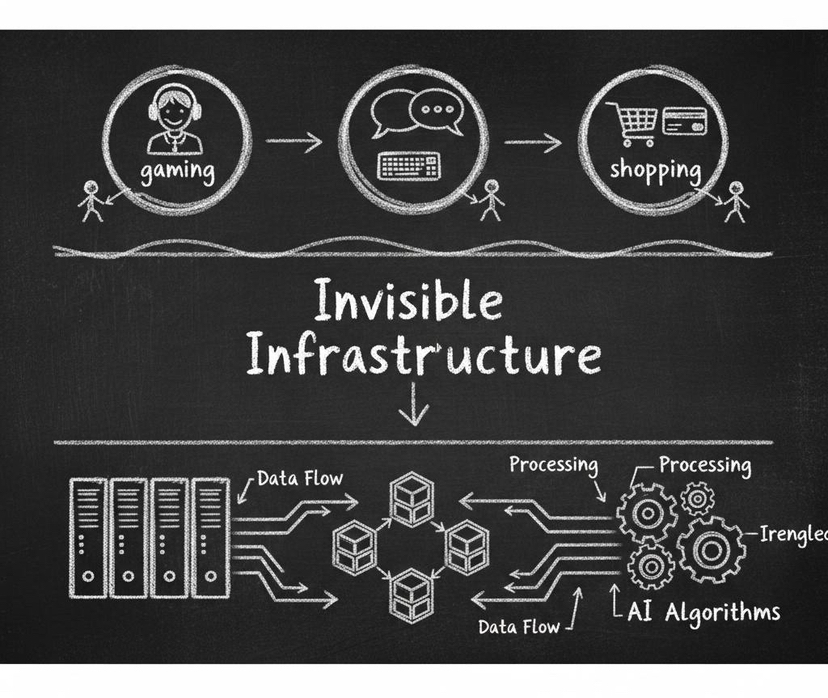
If Vanar can balance automation with clear responsibility, it can become a strong foundation for consumer-focused Web3. If it ignores that balance, it risks creating systems that users depend on without fully trusting.
That is why I follow this project with interest. Not because of short-term price movements, but because its design choices reflect where Web3 is heading.
And whether that future works will depend on how well projects like Vanar handle both convenience and accountability at the same time.