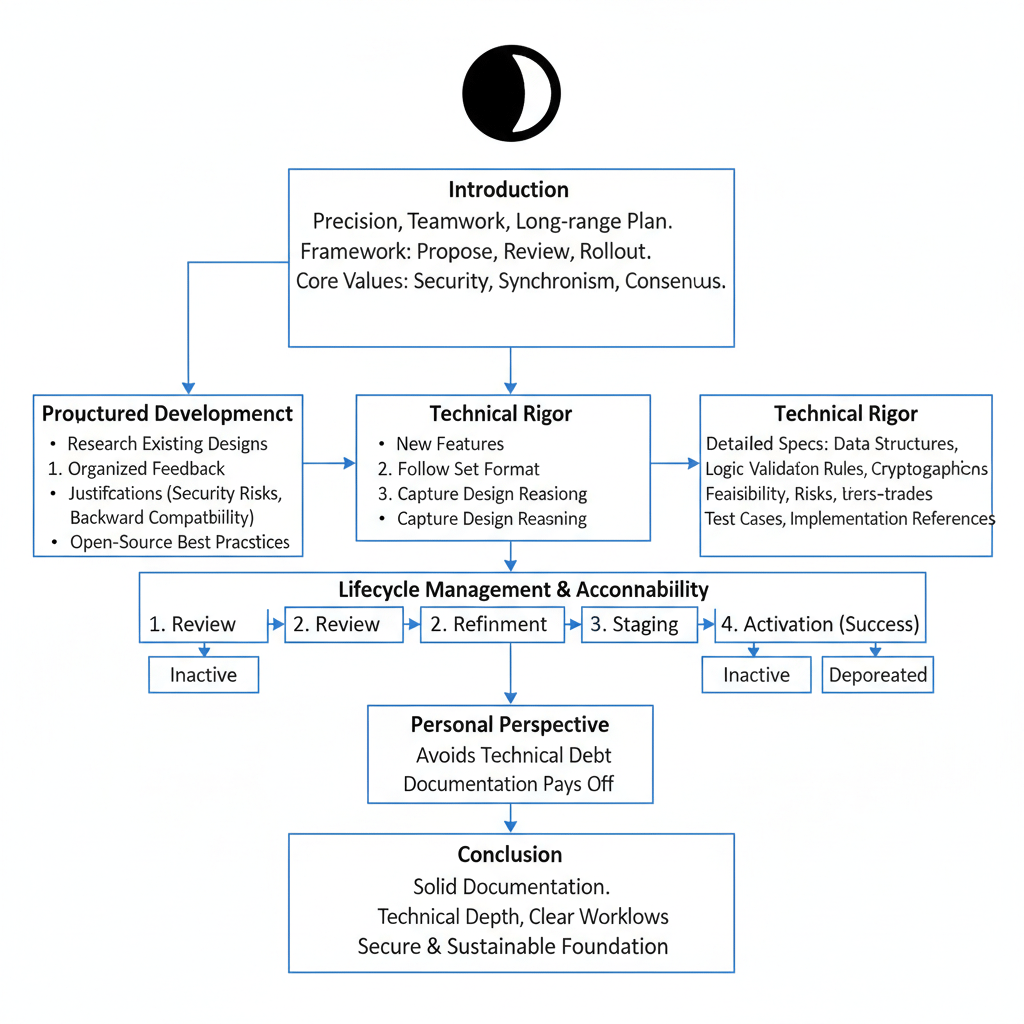
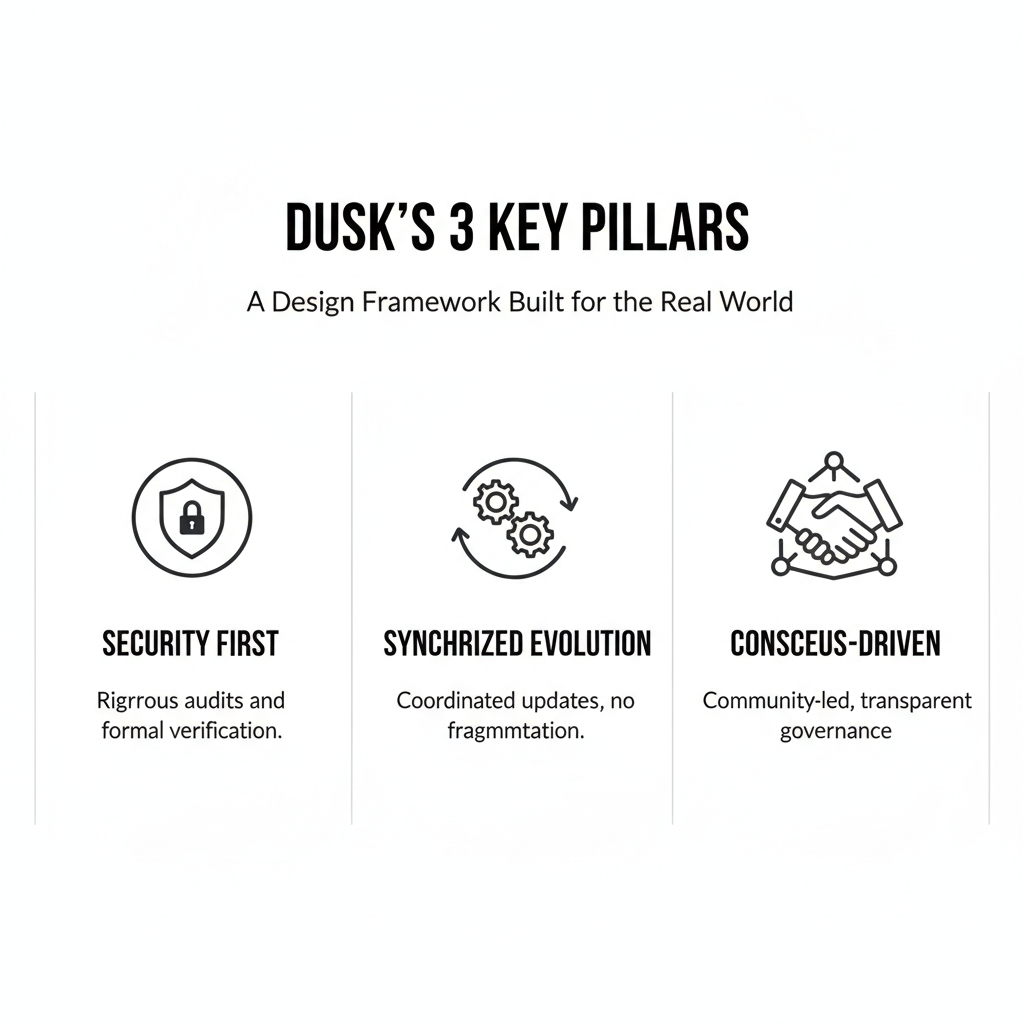
Building protocols for blockchains isn’t just about coding precision,teamwork,and long term thinking matter just as much.Dusk Network gets this.They’ve built a clear system for proposing,reviewing,and rolling out protocol changes,always with an eye on their core pillars:security,synchronism, consensus.Instead of pushing out quick fixes or improvising,Dusk treats protocol evolution as a careful,thoroughly documented engineering process.
Why Structured Governance Matters
The Dusk protocol lays down strict rules for nodes,which keeps the network running smoothly.Changing those rules can shake everything up.That’s why Dusk set up a formal governance process to handle complexity and keep things open and responsible.This isn’t just red tape.The process lets the network add new features in an orderly way,collect feedback,and keep a record of why decisions were made.Without this kind of structure,changes would pile up in a mess confusing,fragmented,and hard to track.
Proposal Development:Order Before Innovation
Everything starts with research.Before submitting anything,contributors dig into previous designs and old conversations to avoid retreading the same ground.This isn’t just a box to check it’s about engaging thoughtfully,not just reacting.Once someone drafts a proposal,it has to follow a clear format,focusing on technical detail and solid reasoning.That way,new ideas don’t slip past concerns about security or compatibility.The whole process echoes the best habits from open source communities that have been around the block.
Technical Rigor at the Core
Dusk’s process stands out for its technical depth.Every proposed change spells out data structures,protocol logic,validation rules, and cryptographic assumptions.This detail lets reviewers get a real grip on what’s possible,what’s risky,and where trade offs sit. Just as important:proposals include test cases and references to working code. These aren’t afterthoughts they connect big ideas to practical execution,making it possible to check things before they hit the full network.
Lifecycle Management and Accountability
Accountability isn’t an afterthought.Every proposal moves through stages:review, refinement,staging,and finally,activation.If a proposal stalls out,it gets marked inactive or deprecated no guesswork about its status. This system keeps things practical and transparent,treating governance as a living, ongoing process,not a single yes or no moment.
Personal Perspective
Honestly,Dusk’s framework puts the architecture first instead of chasing fast growth.Sure,this slows things down sometimes,but it pays off by minimizing long term risks.Lots of networks get weighed down by hasty,undocumented decisions; Dusk is determined to avoid that trap.The commitment to thorough documentation stands out, too.People who join later won’t be left guessing about past choices they’ll see the reasoning spelled out,step by step.
Conclusion
Dusk Network approaches protocol governance with maturity and discipline.By combining detailed documentation,technical rigor,and transparent processes,they keep development both secure and sustainable. This isn’t just about protecting Dusk now it’s about building a strong foundation for whatever comes next.