

In most companies, payments are routine.
They follow approval flows, predefined amounts, and scheduled processes. Nobody needs to “check the system” before making a bank transfer.
But when businesses try to use blockchain-based payments, something unusual happens.
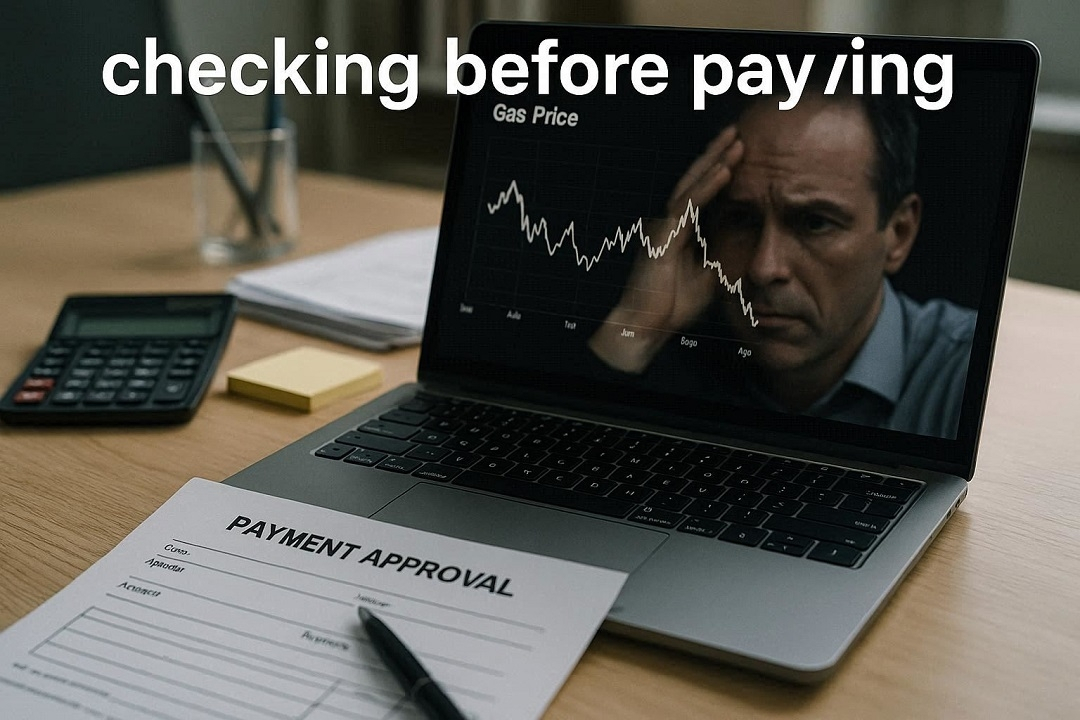
Before sending money, someone has to verify:
Is gas affordable right now?
Does the wallet have enough balance for fees?
Are network conditions stable?
Will this cost more than expected?
This turns a simple payment into a technical decision.
And finance teams are not supposed to make technical decisions just to move money.
When payments depend on network conditions
In traditional systems, the cost and behavior of a payment are known in advance.
In many blockchain environments, they depend on external variables:
Network congestion.
Gas price fluctuations.
Wallet configuration.
Token balance for fees
This forces teams to stop and check conditions before doing something that should be routine.
The payment hasn’t failed.
But the process has already become complicated.
Why this creates operational friction
Payments inside companies are designed to be predictable steps inside workflows.
When each transfer requires someone to double-check technical parameters, the system creates hesitation.
Approvals take longer.
Processes slow down.
Teams become cautious.
Not because payments are unsafe — but because they are unpredictable.
And unpredictability forces extra checks.
From financial actions to technical supervision
This is where the gap between blockchain capability and business usability becomes clear.
A system can be fast, secure, and decentralized — and still be hard to use operationally if every payment requires technical awareness.
Finance teams should not need to understand gas mechanics to execute a transfer.
They should be able to assume the system will behave the same way every time.
Why this is where Vanar’s approach becomes relevant
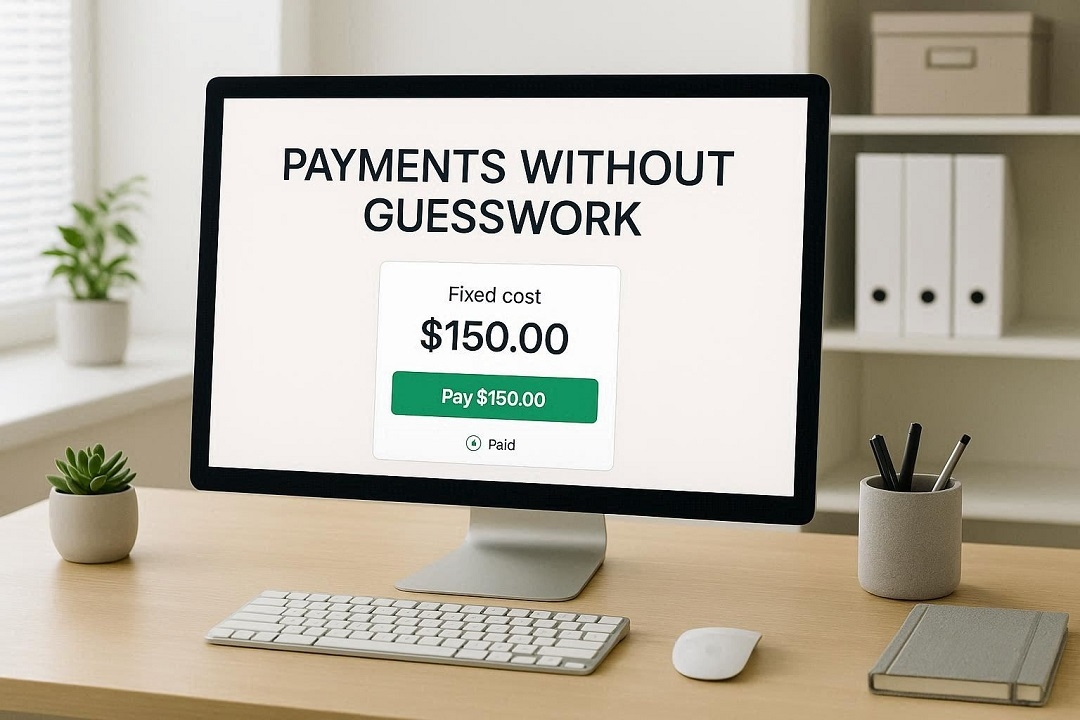
Vanar’s use of fixed fees and a USD-denominated gas model through USDVanry removes the need to constantly evaluate network conditions before making a payment.
Costs are predictable. Behavior is stable. Teams don’t need to check charts before executing routine transfers.
This does not change how payments look on a dashboard.
It changes how confidently they can be executed inside daily workflows.
When payments return to being routine
The best payment systems are the ones that do not require attention.
Not because they are simple, but because they behave consistently enough that teams trust them without checking.
That is when blockchain stops feeling like technology that needs supervision and starts feeling like infrastructure that simply works.
Vanar reflects this philosophy.
When payments no longer require technical checks, they finally fit into real business processes.