
In early 2026, the world finds itself once again witnessing one of the most dangerous geopolitical confrontations of the 21st century—a tense standoff between the United States and Iran that could reshape global politics, energy markets, and regional power balances.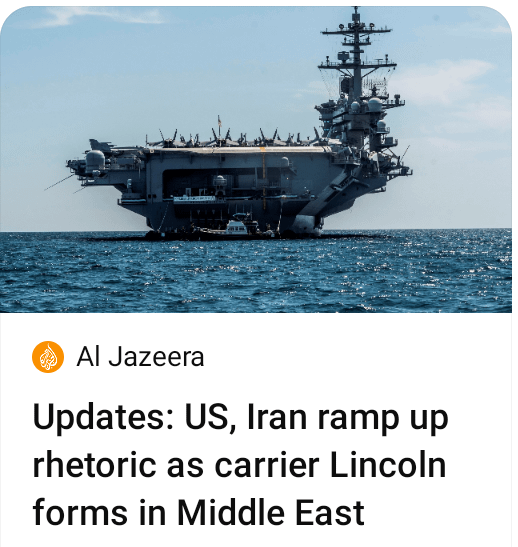
The Crisis at a Glance
What began as a nuclear dispute and economic pressure campaign has evolved into a full-blown diplomatic and military standoff—bringing naval strike groups, diplomatic brinkmanship, and international concern to the forefront. At its core are two central issues: Iran’s nuclear ambitions and the U.S. demand for broader restraint on Iran’s military posture and regional influence.
Why this matters now:
**U.S. and Iran resumed talks in Oman—a critical diplomatic step that offers a chance to avert wider conflict. Both sides have described these indirect nuclear negotiations as a “good start” even as major disagreements remain. �
RNZ +1
Simultaneously, the U.S. has deployed a powerful naval force in the region, signaling military readiness if diplomacy fails. �
Anadolu Ajansı
Iran has responded with defiance, rejecting coercion while simultaneously expressing a willingness to pursue a nuclear deal without threats or intimidation. �
The Times of India +1
A History of Deep Distrust
The U.S.–Iran relationship has been fraught for decades. Diplomatic ties were severed after the 1979 Iran Hostage Crisis, when Iranian militants held 52 Americans captive for 444 days—an episode that brought deep mistrust between the nations. �
Since then, sanctions, proxy conflicts, and nuclear disputes have marked their interactions:
✔ The U.S. has imposed extensive sanctions aimed at curbing Iranian nuclear development and regional militancy. �
✔ Iran insists its nuclear program is peaceful but rejects foreign interference, especially on sovereign defense matters. �
Wikipedia
Wikipedia
Hürriyet Daily News
The Push and Pull of Diplomacy and Military Posturing
Right now, the world watches two contrasting forces unfold:
🕊️ Diplomacy First
Efforts spearheaded by Middle Eastern mediators—especially Oman, Qatar, and Turkey—are trying to keep dialogue alive to reduce the risk of catastrophic conflict. �
Both Tehran and Washington signal a cautious optimism that negotiations could continue beyond this initial round—potentially bringing long-awaited clarity to nuclear issues if both sides show flexibility. �
RNZ
⚔️ Military Pressure as Leverage
Behind the diplomatic smoke lies muscle: the U.S. has deployed the USS Abraham Lincoln carrier strike group, Patriot missiles, and other military assets to the Middle East, heightening the stakes. Such a build-up serves both as deterrence and as pressure on Tehran to concede key demands. �
Iran, for its part, has repeatedly vowed it will not be intimidated by foreign force and remains ready to resist any attack—a stance that leaves little room for miscalculation. �
Anadolu Ajansı
The Times of India
Domestic Shadows and Global Ripples
Internally, Iran has faced widening protests and political turmoil—including crackdowns on dissent and arrests of reformist leaders—which add another layer of complexity to its external diplomacy. �
Meanwhile, global markets and regional partners are uneasy: oil prices remain volatile due to fears of conflict, and Gulf states have worked behind the scenes to prevent a wider war. �
AP News
Reuters +1
What the World Hopes For
Despite the dangerous rhetoric and military signalling, a negotiated settlement remains the world’s best hope. A successful agreement could: 🌍 Reduce the risk of war in the Middle East
💼 Stabilize global energy markets
🕊️ Rebuild diplomatic channels between rival powers
📉 Ease economic suffering caused by sanctions
But such a breakthrough requires compromise, trust, and unwavering international diplomacy—no small challenge given decades of mistrust.
Your Thoughts? What Happens Next?
This standoff isn’t just a chapter in geopolitics—it’s a story affecting millions, global security, and the future of diplomacy.
What do you think should happen next?
💬 Should the U.S. prioritize diplomacy over military pressure?
💬 Could Iran’s internal unrest influence its foreign policy?
💬 What role should regional powers like Oman and Qatar play?