
I’ve been revisiting what @Plasma has shipped recently, and the more I look at it, the more obvious the strategy becomes. Plasma isn’t trying to win attention. It’s trying to win relevance specifically in how stablecoins move in the real world.
And that’s a very different game.
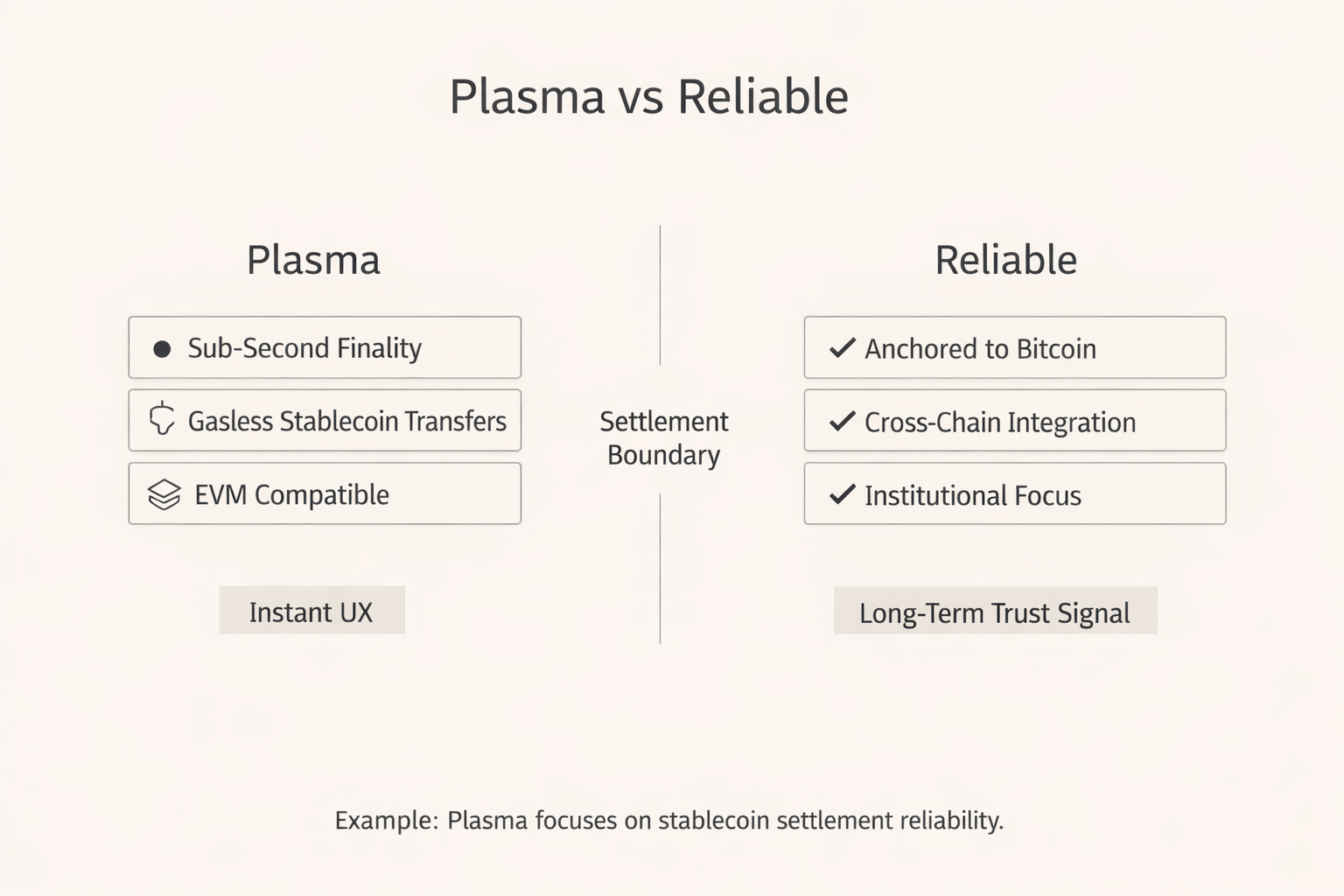
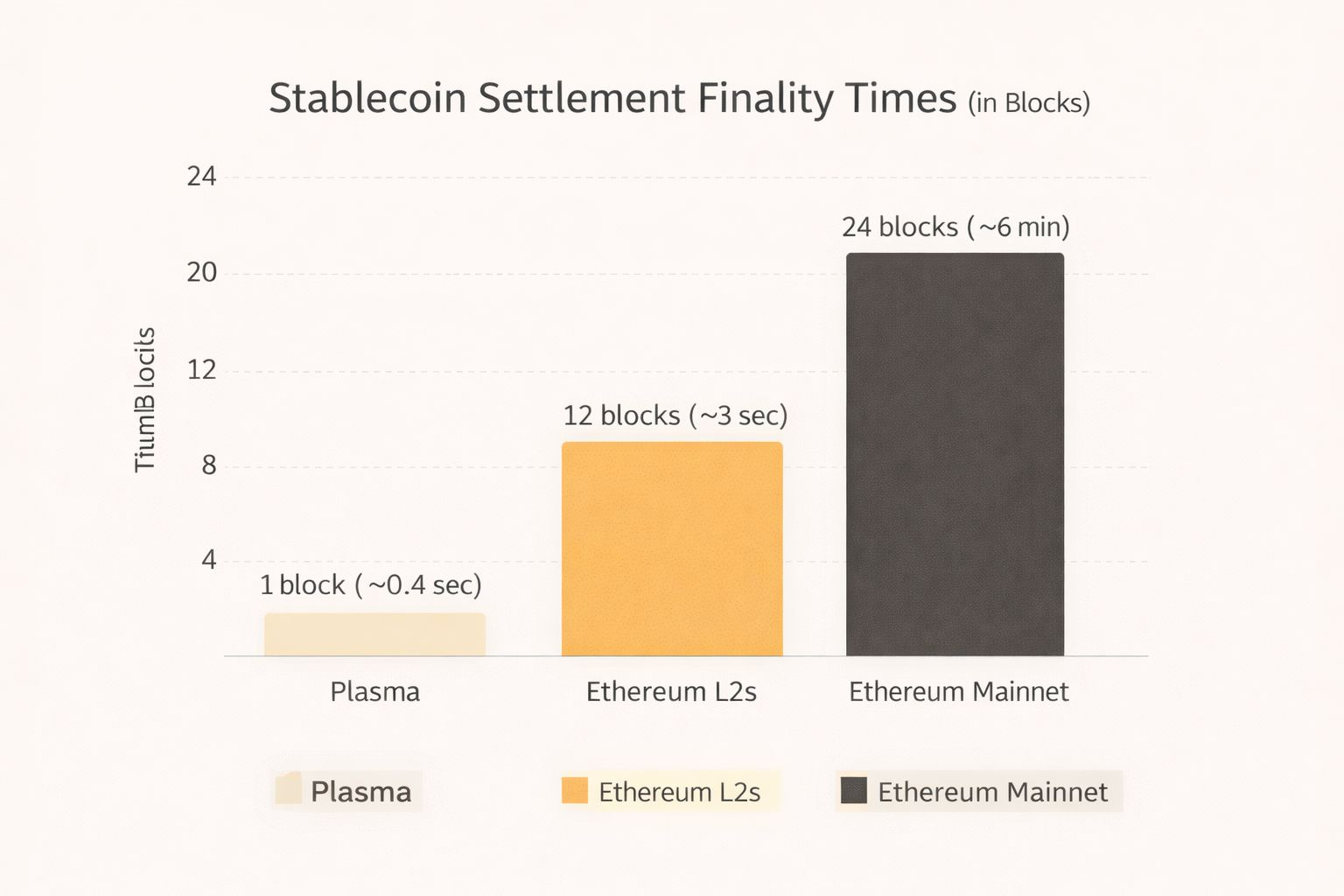
One of the biggest recent themes around #Plasma is how much effort is going into making stablecoin settlement feel invisible. Not impressive. Invisible. The chain keeps doubling down on sub-second finality through PlasmaBFT, and that matters more than people think. If a payment doesn’t feel instant, users hesitate. Merchants hesitate. Institutions hesitate. Plasma’s speed isn’t about bragging rights it’s about removing that hesitation entirely.
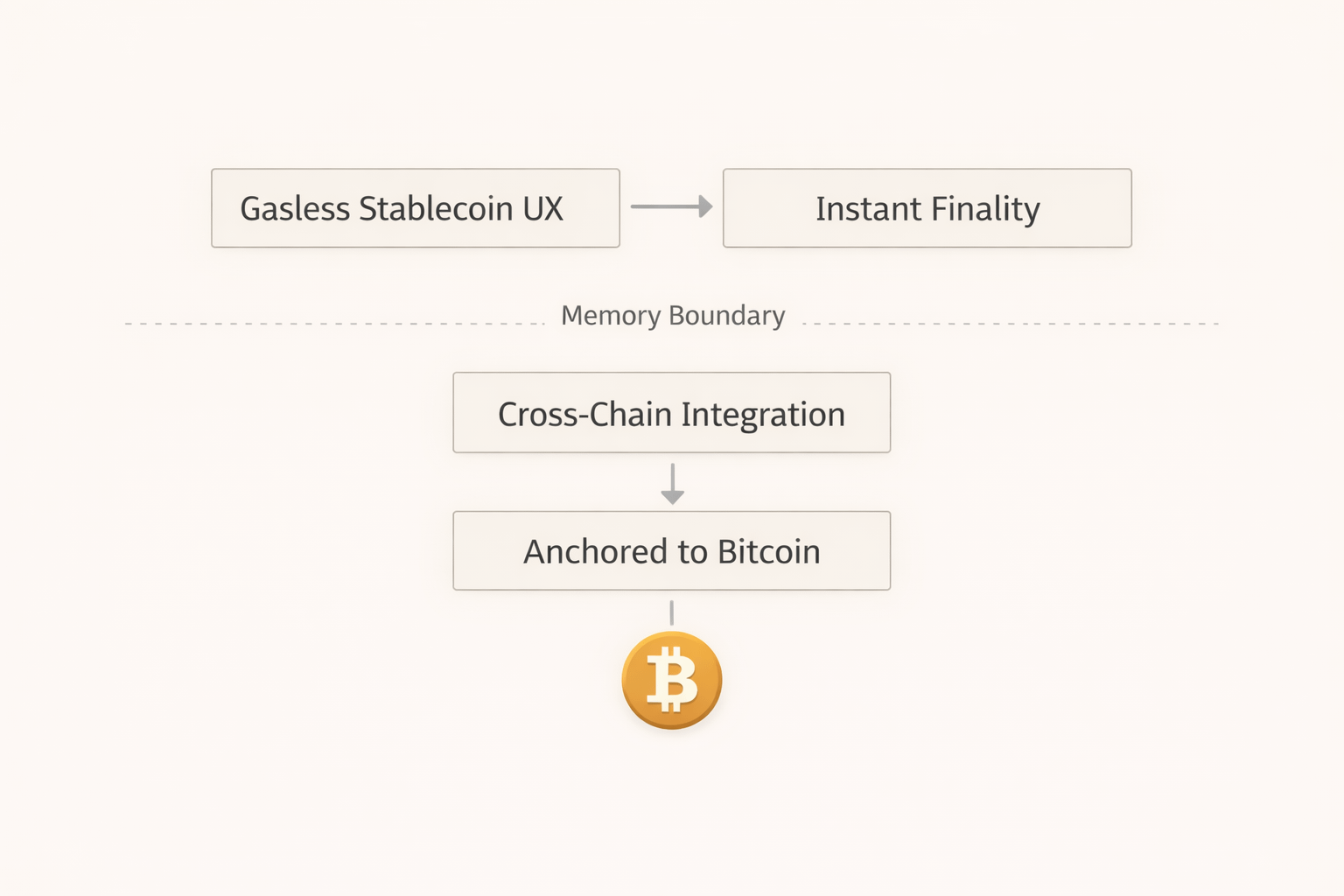
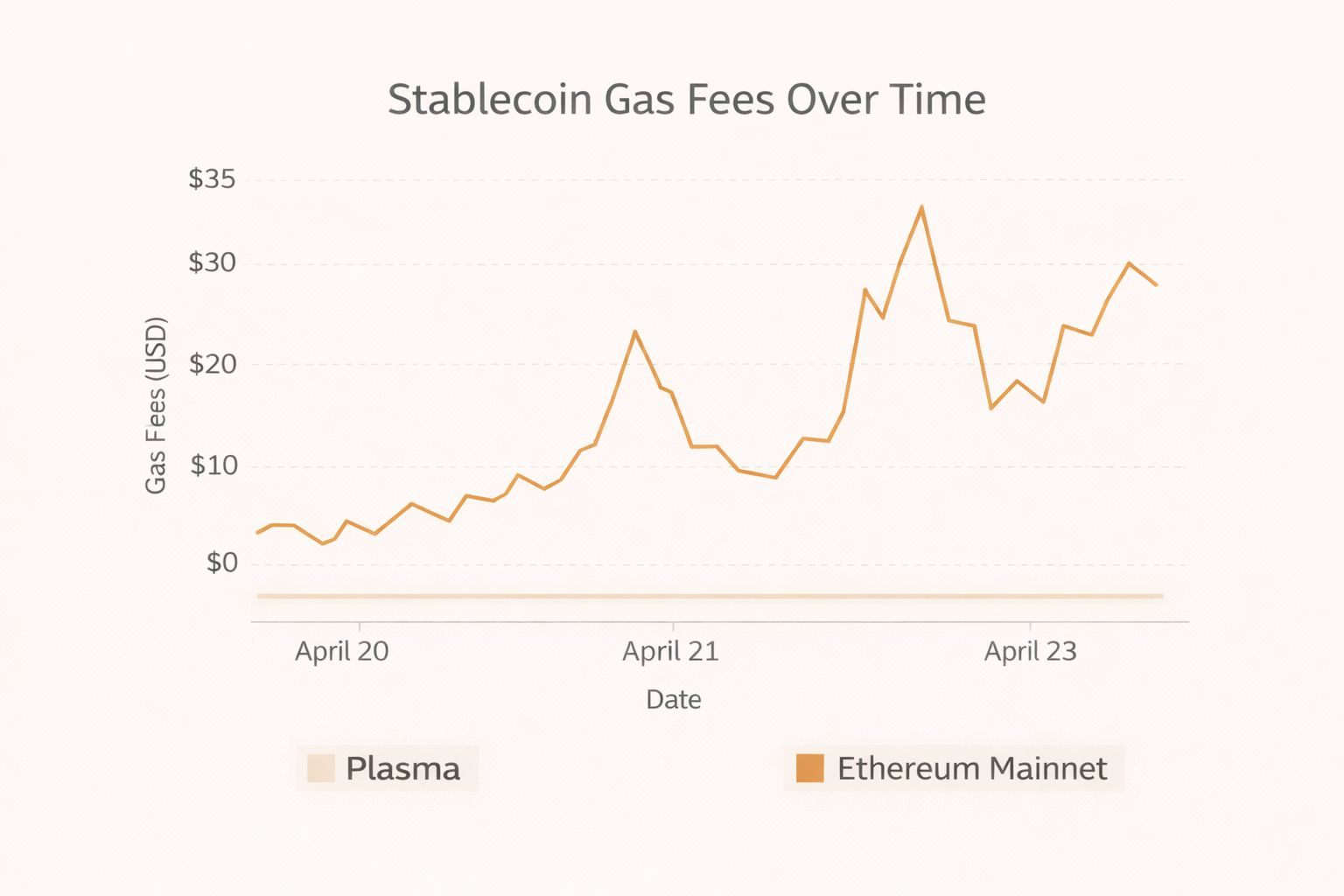
Then there’s the UX layer, which honestly feels like common sense done right. Gasless USDT transfers and stablecoin-first gas mean users don’t need to think about anything except the amount they’re sending. No extra tokens. No surprise fees in something volatile. You send dollars, you pay dollars, you’re done. That’s how payments work everywhere else in the world, and Plasma is building crypto infrastructure that finally respects that reality.
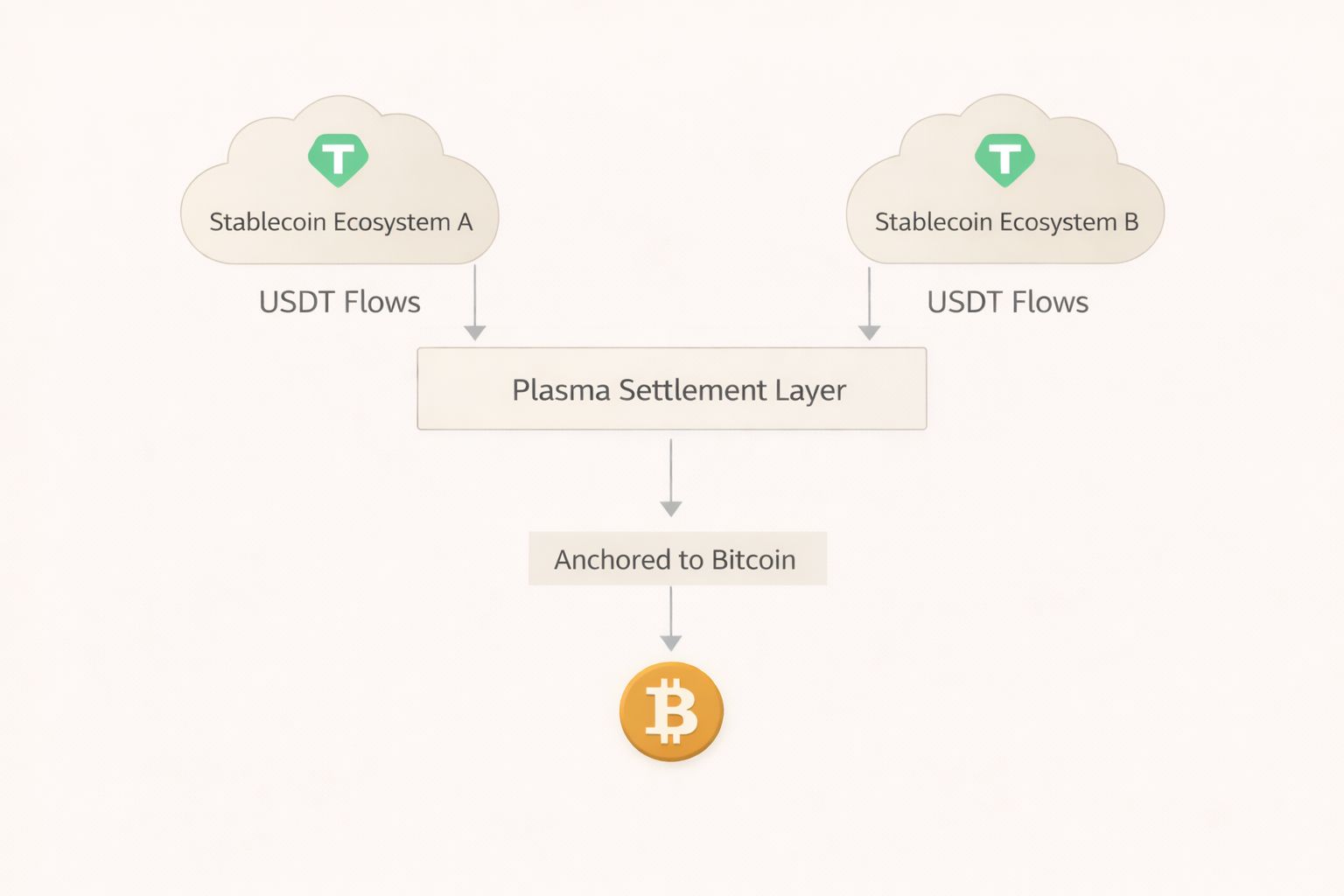
What’s new and important is how Plasma is leaning harder into settlement interoperability. Instead of isolating liquidity, the chain is clearly positioning itself to sit in the middle of stablecoin flows across ecosystems. That’s critical. A settlement layer doesn’t win by trapping value. It wins by becoming the place value passes through because it’s fast, predictable, and neutral.
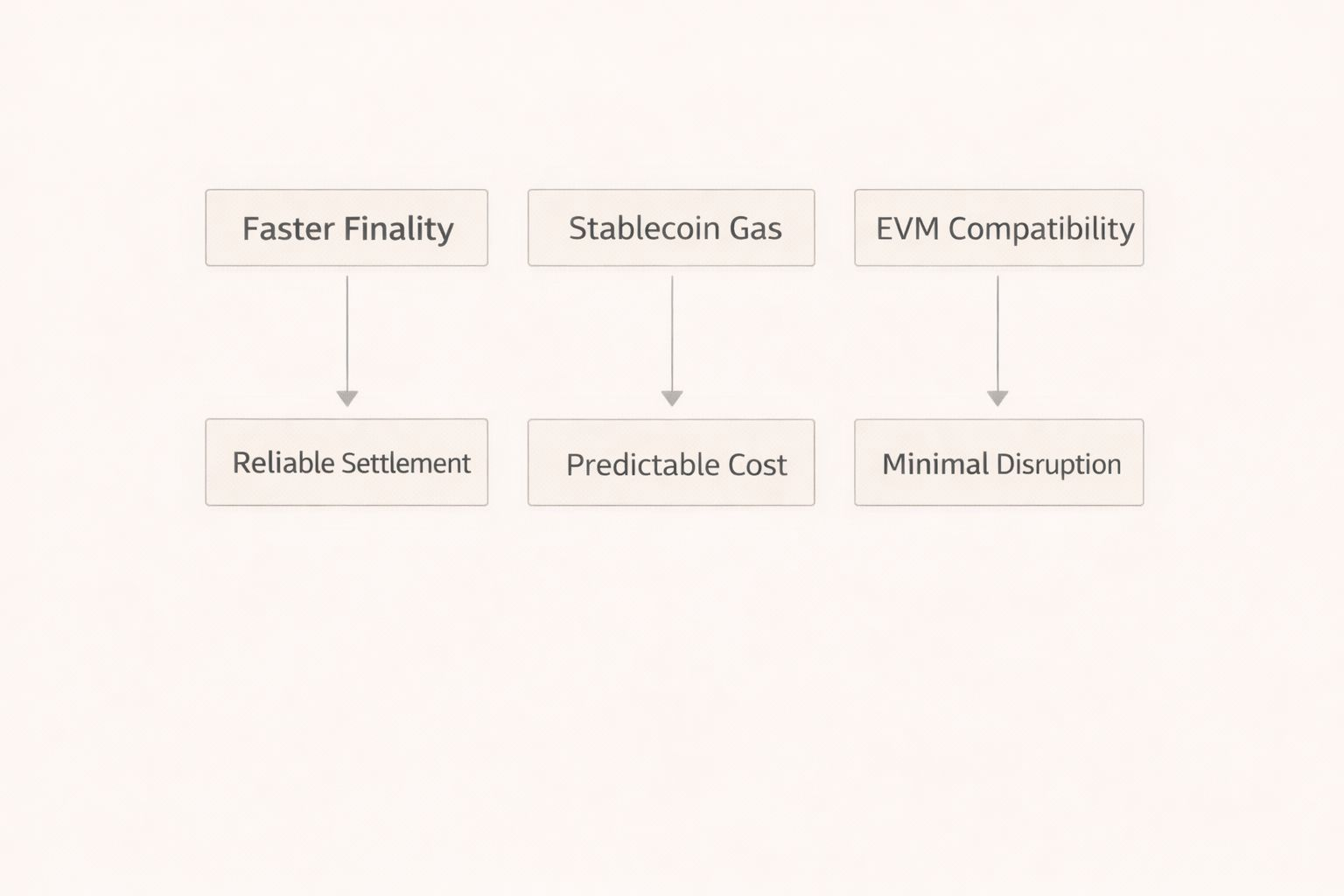
On the developer side, Plasma stays fully EVM-compatible using Reth. That choice keeps paying dividends. Builders don’t have to learn new tooling or rewrite contracts. Ethereum apps can move over with minimal friction, but suddenly operate in an environment where payments make more sense. Faster finality, stablecoin gas, and fewer UX footguns change how apps are designed especially anything involving transfers, payroll, or recurring payments.
Security is where Plasma continues to play the long game. By anchoring to Bitcoin, the chain is making a statement about neutrality and censorship resistance. As stablecoins become more embedded in global finance, settlement infrastructure is going to face increasing pressure political, regulatory, and economic. Plasma’s architecture seems built with that future in mind, not just today’s market conditions.
What I find interesting is how targeted the user base is becoming. Plasma isn’t shouting at everyone. It’s clearly focused on retail users in high stablecoin-adoption regions, where USDT already behaves like everyday money, and institutions in payments and finance that care about settlement guarantees more than speculation. Those users don’t care about hype cycles. They care about whether funds move quickly, reliably, and at predictable cost.
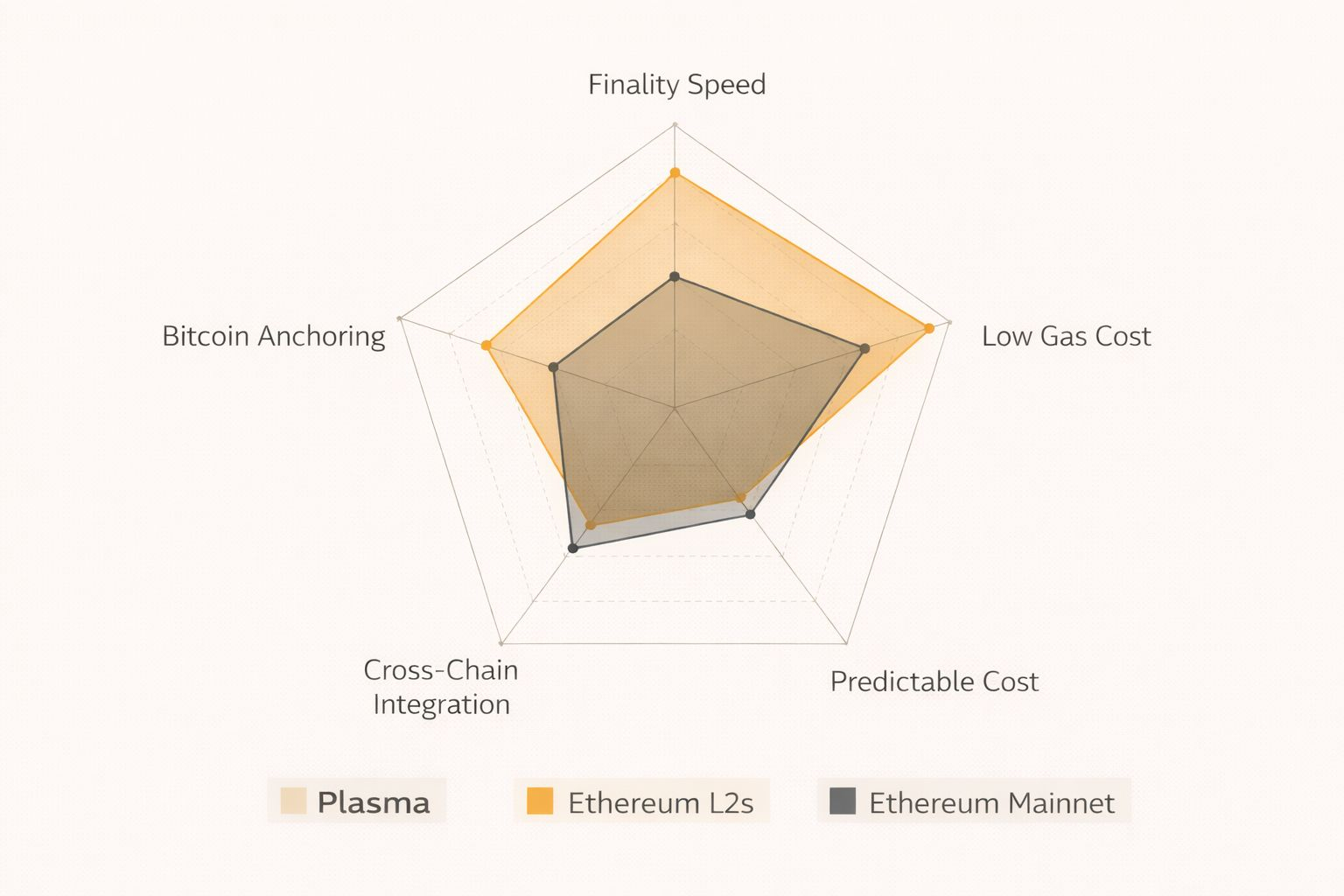
Of course, this path isn’t risk-free. Stablecoin settlement is competitive. Ethereum L2s are improving UX fast. New payment-focused chains are launching with similar promises. Plasma will need to keep executing, keep integrating, and keep proving that its design choices hold up under real usage, not just controlled environments.
There’s also complexity under the hood. Bitcoin anchoring isn’t trivial. Cross-chain settlement always introduces edge cases. Plasma’s challenge will be making all of that complexity disappear for end users which, to be fair, seems to be exactly what it’s trying to do.
Still, the direction feels grounded. Plasma isn’t chasing narratives. It’s building plumbing. And history usually favors the teams that focus on boring reliability over flashy features.
If stablecoins really are becoming the internet’s default money, then settlement layers that treat them as first-class citizens are going to matter more than most people expect. Plasma is quietly positioning itself for that future and doing it without making a lot of noise.
That’s usually a good sign. $XPL
