


It feels like the U.S. and Iran have been locked in the same tense story for decades, and the ending never arrives, it only changes its shape. Sometimes the pressure shows up as harsh words, sanctions, and warnings that sound like they are meant for headlines, and sometimes it shows up as ships moving, missiles being tested, and allies getting pulled into a fight they did not ask for. If you are watching from the outside, it can feel like two powers standing on opposite sides of a narrow bridge, each one convinced that stepping back first means losing respect, safety, and control.
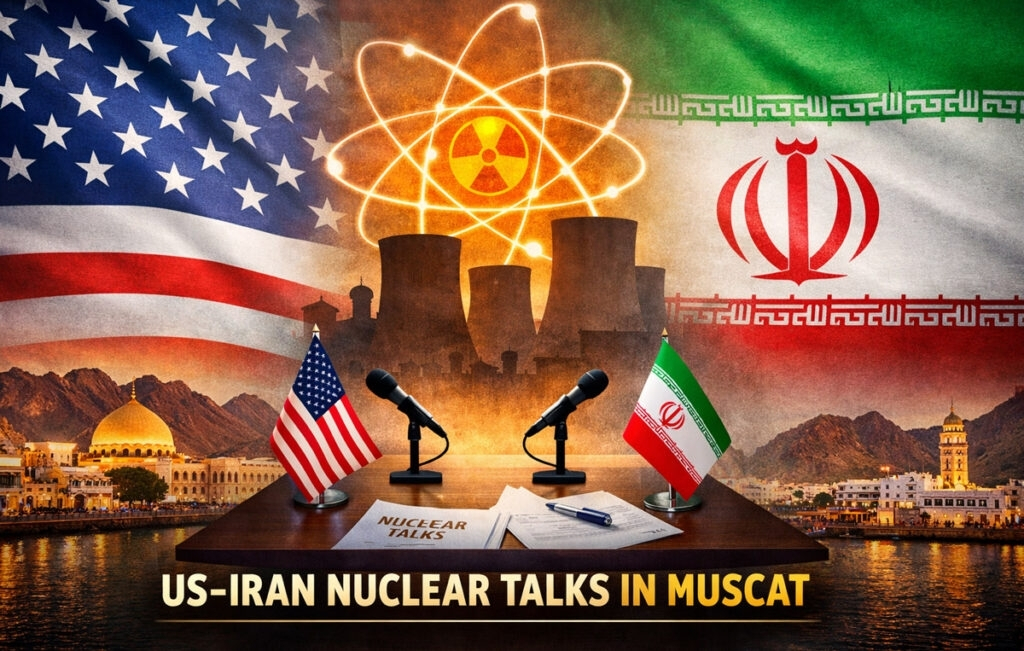
The reason this standoff stays alive is simple, and it is also painful. The U.S. wants to make sure Iran never reaches the point where it can build a nuclear weapon, because that would reshape the entire Middle East and change global security overnight. Iran wants to make sure it never looks weak, never feels trapped, and never becomes a target that can be squeezed until it collapses. In that space between fear and pride, negotiations often become fragile, and threats become louder, because both sides think the other one only understands pressure.
Why the relationship feels permanently unstable
If you look at the pattern, the standoff is not one single conflict, it is a chain of connected disputes that keep feeding each other. There is the nuclear issue, where Iran insists it has a right to enrichment and the U.S. insists that enrichment can become a shortcut to a weapon if trust disappears. There is the sanctions issue, where Iran feels punished and cornered, and the U.S. feels sanctions are the only peaceful tool strong enough to force limits. Then there is the regional issue, where Iran’s influence stretches through partners and armed groups across the region, while the U.S. sees that network as a direct threat to its allies and its forces.
When you combine all of that, you get a strange kind of trap. The U.S. believes it must keep pressure high so Iran does not move too fast. Iran believes it must keep defiance high so the U.S. does not push harder. That is why even small incidents can feel huge. A drone attack, a ship incident, a strike on a facility, or a sudden political speech can ignite panic, because both sides assume the worst intentions first.
The nuclear file is still the heart of the storm
The nuclear issue is not just about science and centrifuges, it is about what each side believes keeps it safe. In Iran, the nuclear program is tied to national pride and the idea of independence, and the leadership often frames it as proof that Iran will not be controlled by outsiders. In the U.S., the nuclear program is viewed through a security lens where one mistake can become irreversible, because once a country gets close enough, the world can’t easily put that knowledge back in the box.
This is why talks are so emotionally complicated. If the U.S. pushes for “zero enrichment,” Iran hears it as humiliation and surrender. If Iran pushes for full freedom to enrich, the U.S. hears it as a path to a future crisis. So even when both sides show up to negotiations, they are often not actually negotiating the same thing. They are defending what they believe is their last safety line.
Sanctions are not just economics, they are politics
Sanctions sound like numbers, trade restrictions, and financial limits, but the real impact is human and political. When sanctions tighten, Iran’s economy suffers, prices rise, people lose hope, and anger grows. In that environment, leaders become more defensive and more suspicious of compromise, because any deal can be attacked internally as weakness. At the same time, U.S. leaders often feel that easing sanctions too early removes leverage, and once leverage is gone, getting stricter nuclear limits becomes much harder.
So it becomes this hard bargaining game where each side wants the other to move first. Iran wants relief that feels real and immediate. The U.S. wants restrictions that feel permanent and enforceable. And when neither side trusts the other, even basic steps become controversial, because everyone fears being tricked.
Regional power and proxies make everything harder
Even if the nuclear issue could be narrowed down, the standoff still has a second engine: regional influence. Iran has built relationships with groups and movements across the Middle East, and it sees them as deterrence and strategic depth. The U.S. sees many of those groups as destabilizing forces that threaten allies and U.S. personnel. This is where the standoff becomes messy, because it does not stay inside borders, and it does not stay inside formal rules.
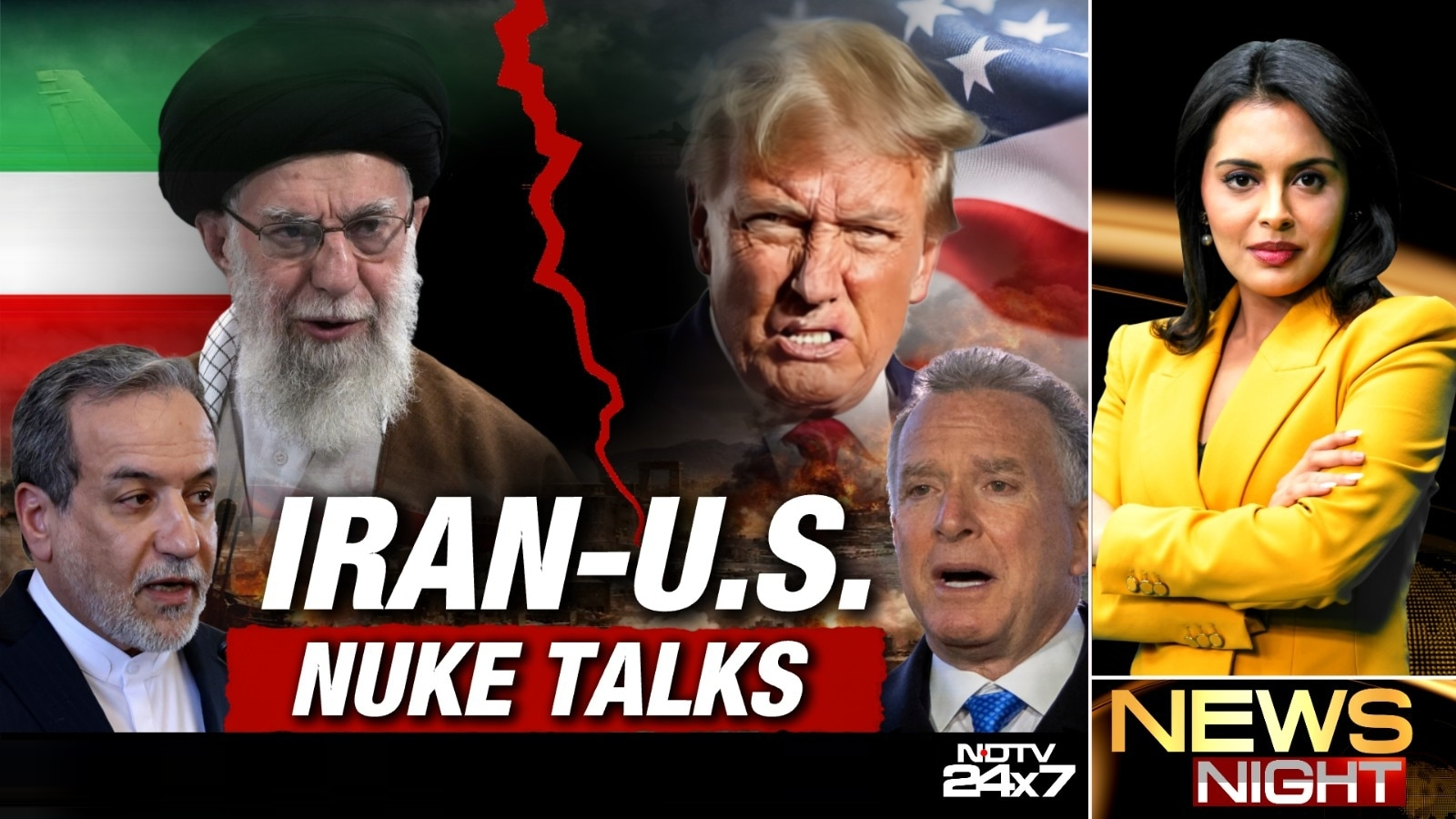
This part of the conflict is dangerous because it creates plausible deniability and unclear red lines. When something explodes somewhere in the region, each side can claim it was not them, or it was a response, or it was self-defense, or it was a message. That ambiguity makes escalation easier, because everyone can interpret events in the way that justifies retaliation.
Military posturing is a message, but it can become momentum
When the U.S. moves major assets into the region, the message is meant to be deterrence, a reminder that there are consequences. When Iran responds with warnings and displays of capability, the message is also deterrence, a reminder that Iran is not helpless. The problem is that deterrence looks stable until it suddenly isn’t. Ships, aircraft, and missile defenses are not just symbols, they are tools, and when too many tools are on the table, the temptation to use them rises during moments of panic or anger.
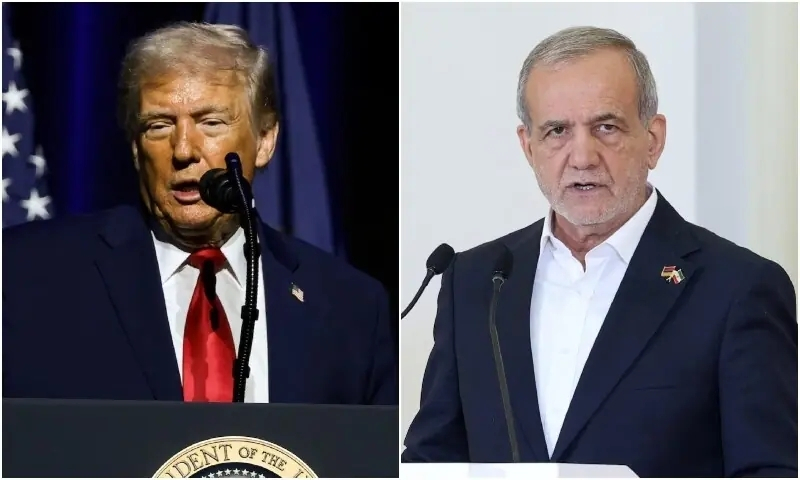
It feels like both sides are trying to prevent war while preparing for it, and that combination is one of the most dangerous dynamics in global politics. Because preparation can look like provocation, and provocation can trigger a response that nobody planned. The world has seen this pattern before, where leaders say they want calm while events on the ground move too fast for careful decisions.
Diplomacy returns, but trust is still the missing ingredient
When indirect talks restart, it usually means both sides are feeling pressure and want a way out that does not look like surrender. But these talks often carry a quiet weakness, because they are designed to avoid public embarrassment rather than build real trust. It is not that diplomacy is useless, it is that diplomacy becomes fragile when it is held together by fear, instead of shared goals.
If Iran believes the U.S. will change course again in the future, then Iran will hesitate to make irreversible concessions. If the U.S. believes Iran will use any relief to strengthen itself without accepting deep limits, then the U.S. will hesitate to offer meaningful relief. This is why even “progress” can feel shallow. People hear about talks and expect a breakthrough, but breakthroughs require trust, and trust is the one resource both sides refuse to spend.
What could happen next
There are a few realistic paths ahead, and none of them are clean.
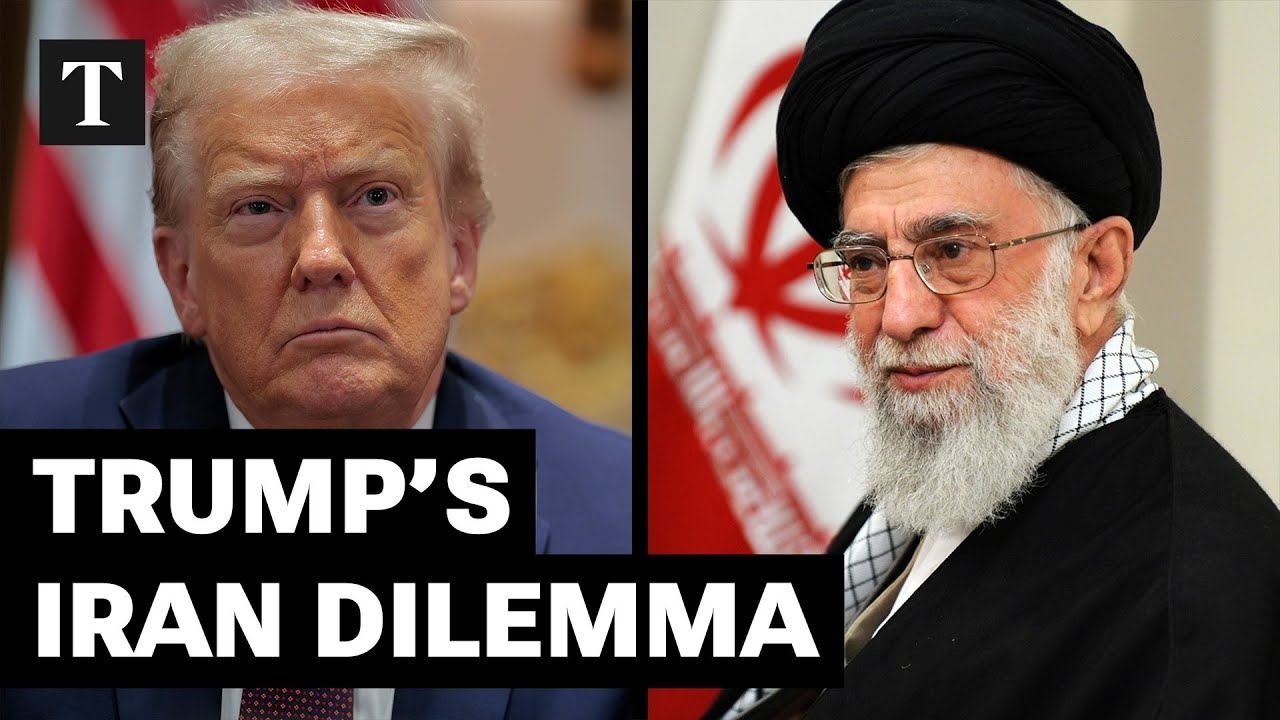
One path is a limited, temporary understanding that lowers the temperature. This would not solve everything, but it could reduce the risk of immediate escalation, create some breathing room, and make the region slightly less jumpy. It would likely come with hard arguments on both sides, because temporary deals always feel like compromise without victory.
Another path is the standoff staying frozen, with constant tension and occasional flare-ups. This is the slow-burn scenario, where the world keeps hearing warnings, sanctions remain a weapon, and the region lives with the feeling that a crisis could start any week. It is exhausting, but it is also familiar, and sometimes that familiarity becomes the reason it continues.
The worst path is escalation triggered by a single incident that spins out of control. It does not require either side to “want” war. It only requires misreading, pride, and a moment where leaders feel they cannot back down. If that moment comes, decisions get made fast, and once the first strike happens, it becomes harder to stop the next one.
The emotional truth behind the standoff
If you ask why this feels so constant, the answer is that both sides are driven by a deep fear of vulnerability. The U.S. fears a future where Iran is too close to a nuclear weapon and too influential across the region. Iran fears a future where it is economically strangled, politically isolated, and militarily exposed. Both sides believe the other is willing to push until it hurts, so both sides keep their guard up, and guarded relationships rarely produce lasting peace.
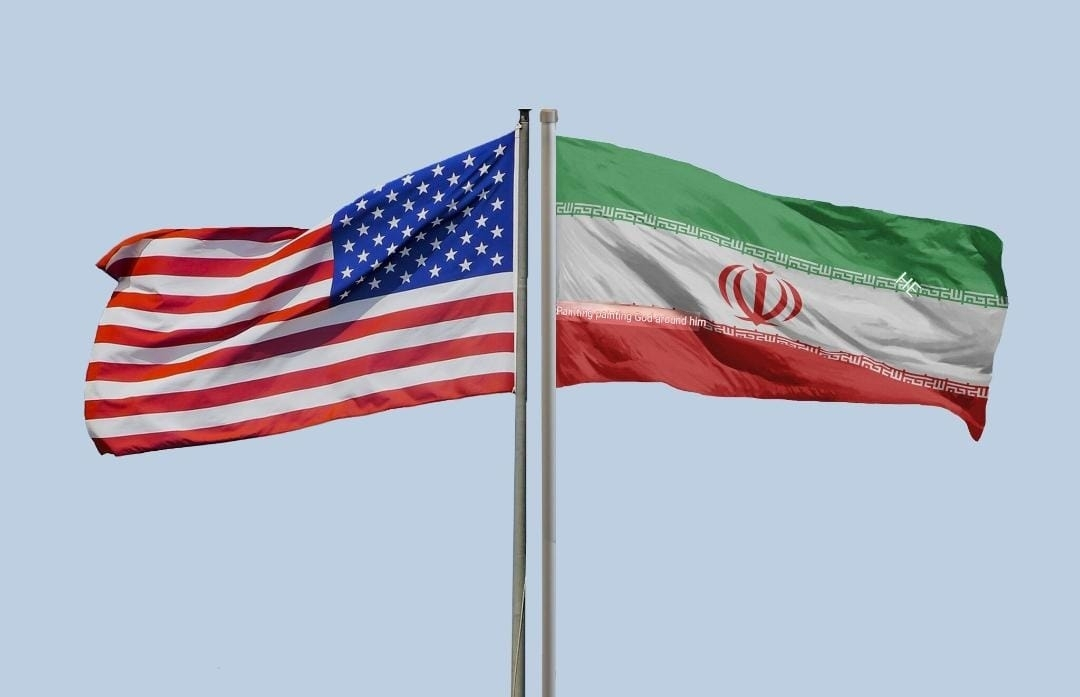
And that is why this standoff matters beyond politics. Because every time the temperature rises, people in the region feel the fear first, markets react, shipping routes become tense, and ordinary families live under uncertainty that they never chose. It feels like a conflict between governments, but the consequences spill into lives that have nothing to do with the decisions being made behind closed doors.