
Lately I’ve been thinking about something that doesn’t get discussed enough in crypto.
Not price.
Not token unlocks.
Not even narratives.
I mean fit.
As in, does a blockchain actually fit into normal life?
I scroll Binance Square almost every day, and I notice a pattern. We get waves. One month everyone talks about AI tokens, then memecoins, then modular chains, then restaking, then RWA. But when the excitement fades, most projects quietly disappear from conversation. Not because they were scams. Because they never really had a place in everyday behavior.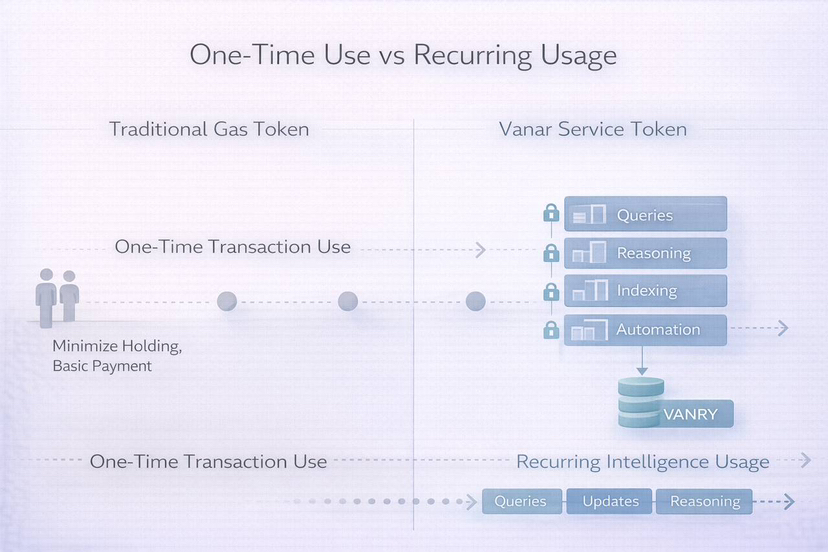
This is where things get interesting to me.
I’ve started paying more attention to chains that don’t just target crypto users, but target non crypto people. The ones who probably don’t even know what a private key is. That’s why I ended up spending time reading about Vanar.
The first thing that stood out to me is the direction.
Vanar isn’t trying to convince DeFi traders to switch chains. It’s not competing with the usual Ethereum killer narrative. Instead, it feels like they’re approaching Web3 from outside the crypto bubble.
From what I’ve seen, their background is closer to entertainment, gaming, and brands rather than pure finance. And honestly, that changes the design decisions a lot.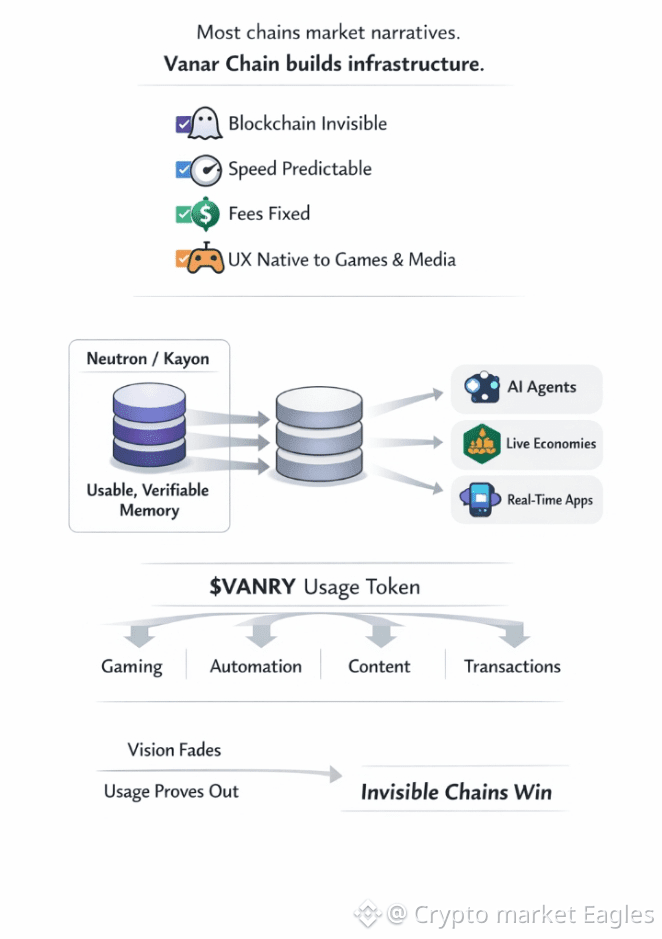
Most blockchains are built by people who first solved a technical problem and then searched for users.
Vanar feels like the opposite. They started from users and then built the tech.
I’ve noticed something over the years. Crypto people always say mass adoption is coming, but we rarely ask who those users actually are.
It’s probably not traders like us.
The next billion users won’t wake up and say, today I want to use a decentralized network secured by validators. They’ll open a game. They’ll collect a digital item. They’ll join a fan community. They’ll interact with a brand experience.
And they won’t even realize they’re using blockchain.
That’s where platforms like Virtua Metaverse start making more sense to me. Not as a futuristic virtual world like the hype from 2021, but more like a digital ownership layer behind things people already do online.
People already spend hours inside games and online communities. The only difference Web3 adds is ownership.
Gaming is probably the easiest example.
I used to play a lot of online games years ago. I remember grinding for rare skins and items that had real emotional value but zero actual ownership. If the game shut down, everything vanished.
Web3 changes that equation.
The VGN games network direction is interesting because it doesn’t treat blockchain as the game itself. Instead, it becomes infrastructure. Players just play, trade, collect, and interact. The chain quietly handles identity, items, and transfers in the background.
That approach feels more realistic to me than forcing players to understand wallets on day one.
Another thing I’ve learned watching this market is that adoption rarely comes from finance first.
Think about the internet.
Email and websites existed, but mainstream adoption really accelerated through entertainment and social interaction. Chat rooms, games, music sharing, video platforms. People came for fun, then stayed for utility.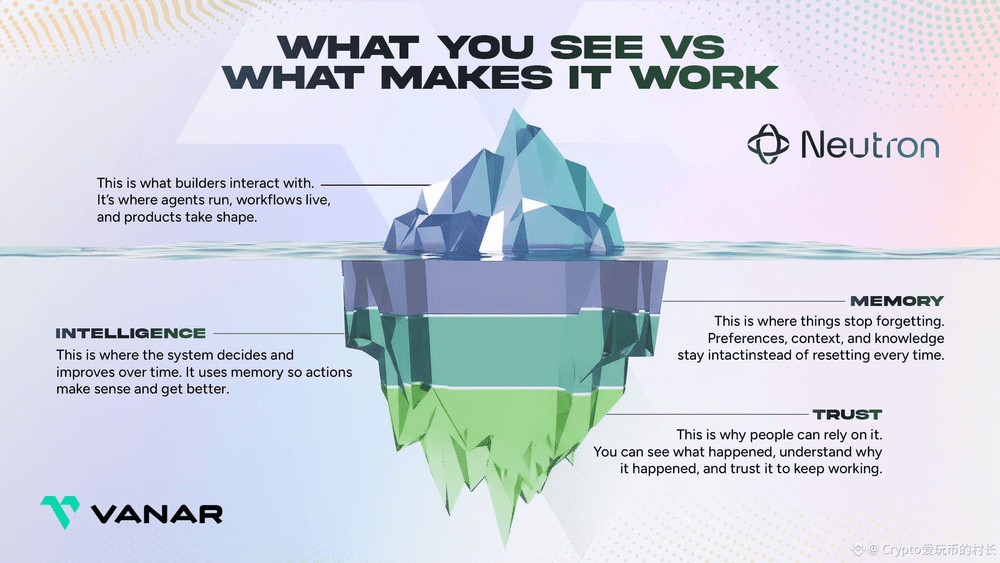
Crypto sometimes tries to invert that process. We offer staking, liquidity pools, and derivatives to people who haven’t even decided why they need a blockchain.
Vanar seems to lean into culture instead.
Entertainment, brands, creators, and communities. Those things already have emotional engagement. Blockchain just adds permanence and ownership.
What stands out to me is how brand integration could actually matter more than DeFi in the long run.
Brands constantly search for new ways to interact with audiences. Loyalty programs, memberships, collectibles, and exclusive content already exist in Web2. They’re just fragmented and centralized.
A blockchain based system can unify that. A collectible becomes transferable. A membership becomes portable. A digital item survives beyond a single platform.
I think that’s one of the underrated paths to Web3 adoption. Not trading. Belonging.
I’ve also been noticing how AI is starting to overlap with this space.
Everyone talks about AI tokens, but the real intersection might not be about running models on chain. It might be identity and digital presence. If people interact with AI agents, avatars, or persistent digital profiles, those need ownership and verification.
This is where ecosystems that combine gaming, metaverse spaces, and digital identity start to make more sense.
Instead of separate apps, you get a persistent digital life. Your items, reputation, and assets move with you.
Crypto finally stops being a tool and starts being an environment.
The VANRY token, from what I can tell, functions as the core layer supporting that ecosystem. I don’t see it as just a transactional token. It’s more like the fuel behind multiple user experiences across different verticals.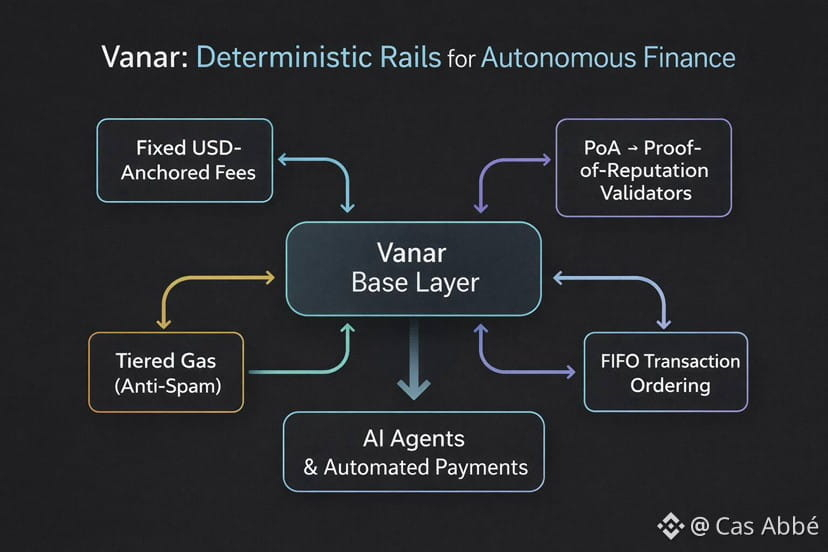
And honestly, multi use ecosystems are hard.
Many projects try to do everything and end up doing nothing well. The challenge for any chain like Vanar is execution. Bringing brands, gamers, and normal users requires smooth onboarding, which is historically where crypto struggles.
Wallet friction alone has killed more adoption than bear markets ever did.
So the real test won’t be technology. It will be invisibility.
If users don’t notice they are using blockchain, that’s actually success.
I keep coming back to a simple thought.
The next phase of crypto probably won’t look like crypto.
People won’t talk about gas fees. They won’t debate TPS. They won’t care about consensus algorithms. They’ll care about whether their digital collectibles persist, whether their game items have value, whether their online identity travels with them.
Infrastructure projects that understand this feel more aligned with reality.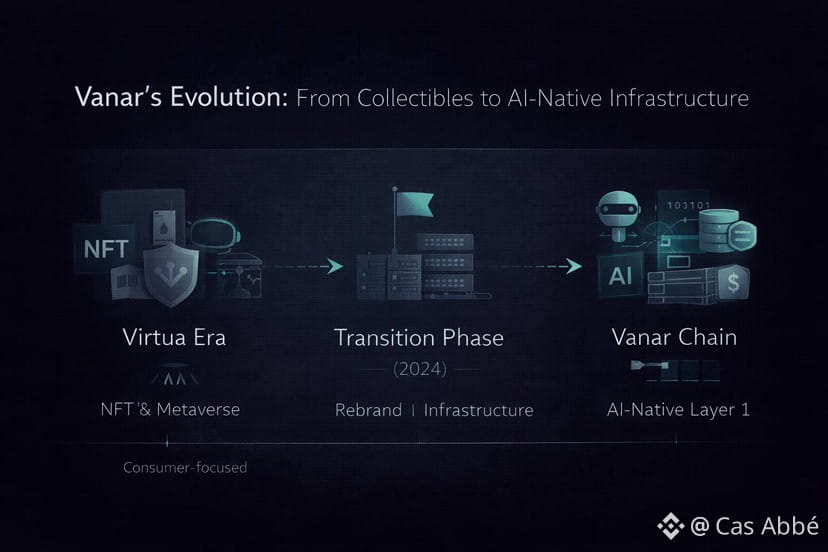
Watching the market cycles has changed my perspective. Earlier, I evaluated projects mostly by tokenomics and charts. Now I pay more attention to behavior. What do users actually do?
If a chain depends on traders, activity fluctuates with sentiment.
If a chain depends on players, creators, and communities, activity becomes cultural.
Culture is stickier than speculation.
Personally, I don’t think mass adoption will come from convincing people to join crypto.
It will come from crypto quietly joining people.
Games, entertainment, digital ownership, online communities. Those are already part of daily life. A blockchain that fits naturally into those habits doesn’t need to educate the world about Web3. It just needs to work.
That’s why I keep an eye on developments like Vanar.
Not because of short term excitement, but because they sit in a part of the industry that feels closer to how technology actually spreads. Slowly, indirectly, and almost invisibly.
And honestly, if one day millions of users interact with blockchain without ever saying the word blockchain, that might be the moment we finally realize adoption already happened.