Molte persone si aspettano che i mercati crescano in modo aggressivo nel 2026. Quella aspettativa potrebbe rivelarsi errata — almeno inizialmente.
Ecco una possibile tabella di marcia su come potrebbe svilupparsi il 2026:
PARTE 1: IL CROLLO
In questo momento, l'economia degli Stati Uniti sta già mostrando chiari segni di debolezza:
• I licenziamenti stanno aumentando
• Le bancarotte stanno aumentando
• I default di credito stanno aumentando
• La domanda di abitazioni sta collassando
• I venditori di case stanno superando notevolmente gli acquirenti
Per questo motivo, c'è una probabile possibilità di una correzione del mercato azionario entro i prossimi 2–3 mesi, simile a quanto accaduto nel Q1 2025.
Scenari di ribasso potenziali:
• S&P 500: −10% a −15%
• Nasdaq: −15% a −20%
Poiché le crypto si muovono ampiamente insieme alle azioni, gli asset digitali potrebbero subire ritratti ancora più profondi — inclusa una possibile fase di capitolazione.
PARTE 2: LA COLPA
Durante un calo del mercato, la pressione politica probabilmente intensificherà.
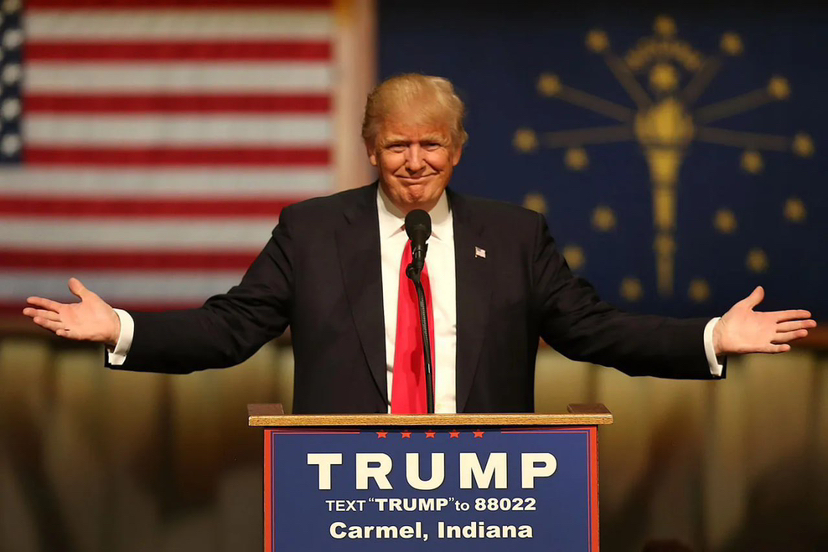
Trump si aspetta di spostare la colpa verso:
• Presidente della Federal Reserve Jerome Powell
• La Corte Suprema (se le sentenze tariffarie vanno contro di lui)
Il mandato di Jerome Powell come Presidente della Fed termina a maggio 2026, rendendolo un obiettivo facile.
La narrativa si concentrerà probabilmente su:
• Nessun taglio dei tassi
• Politica monetaria restrittiva
• Mancata iniezione di liquidità durante la debolezza del mercato
Questa strategia garantirebbe che Powell non rimanga influente nel Consiglio dei Governatori dopo la scadenza del suo mandato — liberando il cammino per una nuova leadership.
Trump comprende che la presenza continua di Powell potrebbe complicare la direzione politica e creare resistenza al prossimo Presidente della Fed.
PARTE 3: L'ALLEGGERIMENTO
Una volta che Powell esce e Kevin Warsh diventa potenzialmente Presidente della Fed, ci si aspetta che inizi l'alleggerimento monetario.
Warsh ha già accennato a strumenti come il controllo della curva dei rendimenti, che limiterebbe i rendimenti obbligazionari a lungo termine e ridurrebbe i costi di prestito.
• Prestiti più economici = maggiore liquidità
• Maggiore liquidità = prezzi degli asset più elevati
Allo stesso tempo, più fattori di liquidità potrebbero allinearsi:
• Un possibile dividendo tariffario di $2,000
• Tagli fiscali significativi
• Progressi sulla legislazione crypto come il CLARITY Act
Tutto questo sarebbe progettato per supportare e pompare sia il mercato azionario che quello crypto.
PARTE 4: LE ELEZIONI
Le elezioni di metà mandato negli Stati Uniti sono programmate per il Q4 2026, e i mercati delle scommesse attuali suggeriscono che i Repubblicani stanno perdendo slancio.
Se i mercati si riprendono fortemente prima delle elezioni — combinati con benefici in stile stimolo per gli americani medi — le probabilità di vittoria dei Repubblicani potrebbero migliorare significativamente.
I mercati storicamente dimenticano tutto una volta che i prezzi iniziano a muoversi verso l'alto.
Inoltre:
• I pagamenti dei dividendi e i tagli fiscali aumenterebbero i guadagni delle piccole imprese
• Powell sarebbe posizionato come il principale capro espiatorio per i danni precedenti al mercato
LA TEORIA IN TERMINI SEMPLICI
• Inizio 2026: Correzione del mercato + colpa a Powell
• Metà 2026: Nuova leadership della Fed + alleggerimento della liquidità
• Fine 2026: Ripresa del mercato in vista delle elezioni
Questo suggerisce che i prossimi mesi potrebbero essere dolorosi, ma una volta che la correzione si realizza, potrebbero emergere opportunità di accumulo.
Da lì, i mercati potrebbero registrare una forte ripresa entrando nel Q3–Q4 2026.