
There is a particular moment in the lifecycle of every transformative technology when it transitions from being a tool for specialists to becoming infrastructure for everyone. Electricity went through this transition. The internet went through it. Mobile computing went through it. Each time, the transition happened not because the technology became more sophisticated but because someone built the layer that made sophisticated technology accessible and useful for people and organizations that weren’t specialists in that technology. Vanar is building that transition layer for blockchain, specifically focused on the segment of the economy that touches the most people daily: consumer brands and the digital experiences they create for their customers.
The timing of Vanar’s emergence matters as much as the vision driving it. The project arrived at a moment when consumer brands had moved through initial skepticism about blockchain toward genuine curiosity but were stalled by implementation reality. Marketing departments were reading about competitors experimenting with NFTs and digital ownership. Strategy teams were identifying potential applications for blockchain in loyalty programs, authenticity verification, and community building. Yet when these organizations tried to move from curiosity to implementation, they encountered an infrastructure gap that blocked progress. Existing blockchain platforms weren’t built for their requirements, and the cost of adapting those platforms for enterprise consumer applications was prohibitive in both time and resources.
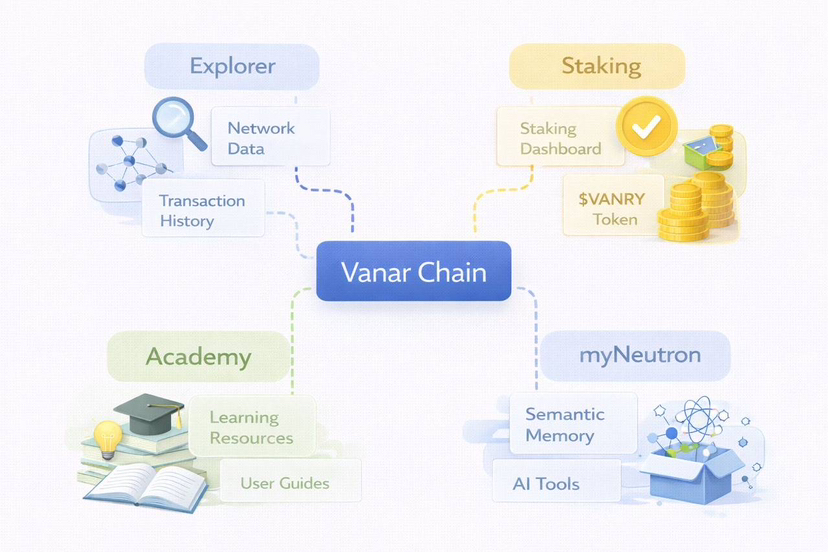
Vanar’s founders recognized this gap not as a market failure but as an infrastructure opportunity. The brands were ready. The consumer interest existed. The use cases were compelling. What was missing was purpose-built infrastructure that made implementation practical rather than heroic. This recognition shaped the entire development philosophy: build everything brands need, eliminate everything brands don’t need, and create an experience that makes blockchain deployment feel like a natural evolution of existing digital capabilities rather than a voyage into foreign technological territory.
The Infrastructure Philosophy That Changes Everything
The way Vanar thinks about infrastructure differs fundamentally from how most blockchain projects approach development. Traditional blockchain projects build technology and then consider applications. Vanar inverted this sequence by defining required applications first and then engineering technology to support them. This inversion produces radically different outcomes because optimization targets change completely. When you build technology for its own sake, you optimize for theoretical performance metrics that impress other technologists. When you build technology for specific applications, you optimize for the characteristics that actually determine whether those applications succeed in the real world.
The practical implications of this philosophy manifest throughout Vanar’s technical architecture in ways that might seem obvious in retrospect but were far from obvious during design. Transaction finality speed was determined by studying user experience research on digital interaction rather than by comparing performance with competing blockchains. Consumer tolerance for waiting in digital interactions has been extensively studied, and the findings consistently show that users begin forming negative impressions at delays around one second. Vanar designed to confirm transactions within this threshold because consumer applications require exceeding user experience standards, not merely matching blockchain performance benchmarks.
Network reliability standards were set against the most demanding consumer applications rather than typical blockchain use cases. When a major brand launches a limited collection or runs a promotional campaign, the moments of peak demand are precisely the moments when reliability matters most. Failure during these high-visibility events doesn’t just create technical problems but causes brand damage that can permanently undermine consumer trust in digital initiatives. Vanar’s redundancy and capacity planning reflects this understanding, treating peak performance under stress as the primary reliability test rather than sustained performance under average conditions.
The approach to developer tools and integration capabilities reflects similar thinking about who actually builds brand applications. Enterprise development teams building consumer applications are skilled software engineers who may have limited blockchain expertise. They work within established workflows using familiar languages and frameworks. They have deadlines, code review processes, and quality standards that don’t flex to accommodate exotic new programming environments. Vanar built development infrastructure that meets enterprise developers where they are rather than demanding they acquire blockchain specialization before building anything useful.
Partnership Architecture Creating Compounding Value
The structure of Vanar’s partnership ecosystem reveals sophisticated thinking about how value compounds in platform businesses. Single partnerships create linear value proportional to the size and activity of each individual partner. Ecosystem partnerships create exponential value because each new participant increases the value of all existing participants through network effects. Vanar has been building an ecosystem architecture where partnerships compound rather than simply accumulate.
The luxury sector relationships Vanar has established create particular value beyond the direct business they generate. Luxury brands operate at the intersection of aspiration and authenticity, creating cultural significance that extends far beyond their direct customer bases. When luxury brands authenticate products through blockchain, create digital collectibles, or build community experiences on Vanar, they’re not just generating transactions on the network. They’re establishing cultural associations between Vanar and quality, exclusivity, and innovation that influence how other brands perceive the platform.
Entertainment partnerships create different but equally important ecosystem value. Entertainment properties reach massive audiences who may encounter blockchain technology for the first time through branded experiences. When millions of fans interact with digital collectibles or community experiences built on Vanar through their favorite entertainment properties, they’re developing familiarity and comfort with blockchain interactions in a context where they’re highly motivated and emotionally engaged. This creates the consumer foundation that makes subsequent brand blockchain initiatives more likely to succeed because users arrive with established positive associations rather than skepticism or confusion.
Gaming partnerships contribute ecosystem value through the technical credibility they establish. Gaming applications represent among the most technically demanding consumer use cases, requiring performance and reliability that exceed most other application categories. When game developers build on Vanar and successfully serve active gaming communities, they validate technical capabilities in ways that prospective partners from other industries find highly credible. A platform that handles gaming workloads reliably can handle anything consumer brands need.
VANRY Token Mechanics and Ecosystem Economics
The economic architecture underlying VANRY reflects careful thinking about how to create token utility that supports long-term ecosystem health rather than short-term speculative dynamics. The most sustainable token economics create alignment between token value and platform value so that the token appreciates as the platform succeeds rather than despite how the platform performs. Vanar designed VANRY mechanics specifically to achieve this alignment through multiple interlocking mechanisms.
Validator staking requirements create the most structurally durable demand because they’re connected to fundamental network security operations rather than optional features or speculative activity. Validators must commit VANRY to participate in transaction processing, and this commitment scales with network activity as more validators join to handle growing transaction volumes. The resulting supply dynamics mean that growing platform usage directly translates into growing validator staking demand, creating natural economic connection between platform success and token economics.
Fee mechanisms create continuous demand flow rather than one-time purchase dynamics. Every transaction on the network generates fee demand, and aggregate fee volume scales with aggregate transaction volume. As more brands deploy applications serving millions of users, transaction volumes grow and fee demand compounds. The individual transaction costs remain minimal ensuring applications stay economically viable, but aggregate demand across a large and growing application ecosystem becomes economically significant. This demand structure reflects genuine platform utility rather than artificial scarcity mechanisms.
Governance value has been underappreciated in early blockchain ecosystems but is becoming increasingly recognized as platforms mature. VANRY holders who participate in governance have genuine influence over decisions that materially affect platform capabilities, ecosystem development, and economic parameters. Thoughtful governance participation creates real value by guiding development toward priorities that improve platform performance and expand ecosystem growth. As Vanar matures, governance quality will increasingly differentiate successful protocol evolution from stagnation.
The Developer Ecosystem Enabling Innovation
The developer ecosystem Vanar has cultivated extends beyond technical documentation and SDK availability into the organizational relationships and economic structures that determine whether talented developers actually build on a platform. Individual developers making platform choices consider technical capabilities, documentation quality, and community support. Studios and agencies making platform recommendations to brand clients consider additional factors including partner support quality, contractual reliability, and track record with similar deployments. Vanar has invested in addressing both dimensions.
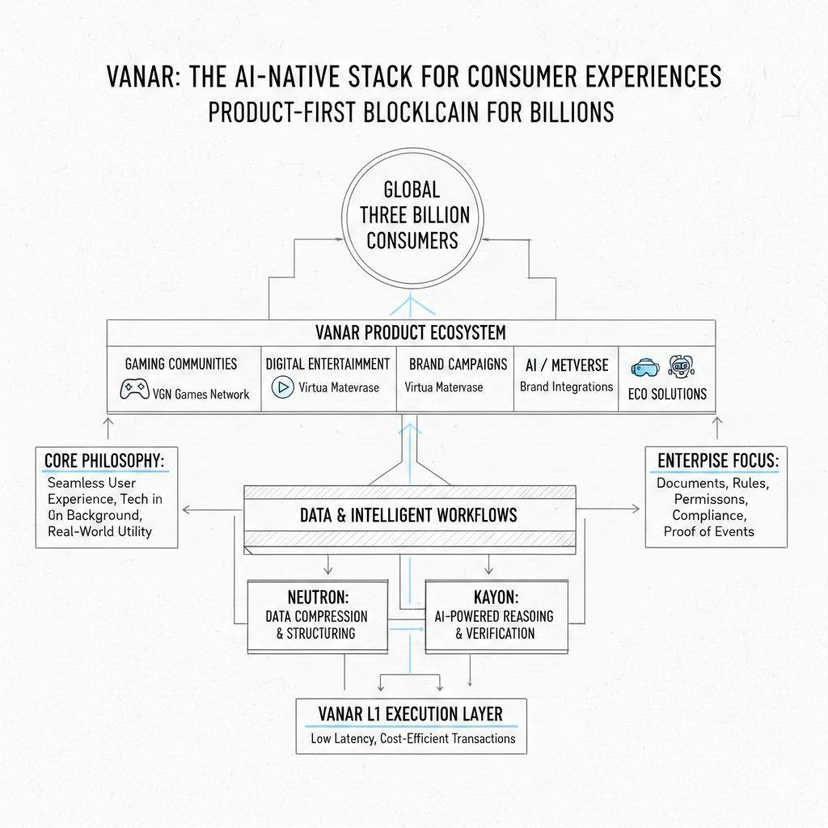
Technical documentation quality directly affects developer productivity and ultimately the quality of applications built on the platform. Well-documented platforms allow developers to spend their time building rather than reverse-engineering undocumented behavior or working around unclear interfaces. Vanar’s documentation investment reflects understanding that developer time spent fighting infrastructure is developer time not spent creating user value. Comprehensive guides, worked examples, and responsive support channels multiply developer productivity throughout the entire ecosystem.
The agency and studio relationships Vanar has built create multiplicative ecosystem effects because these organizations serve multiple brand clients simultaneously. An agency that builds expertise in Vanar deployment for one brand client can offer that expertise to subsequent clients, reducing implementation costs and timelines while expanding Vanar’s brand ecosystem. These relationships create network effects within the professional community that serves brands, generating organic platform recommendations that carry more credibility than marketing because they come from practitioners with direct implementation experience.
Emerging Application Categories
Phygital applications combining physical product experiences with digital blockchain verification represent one of the most compelling emerging categories on Vanar. The concept extends well beyond simple authentication into new forms of product relationship that weren’t previously possible. Physical products with embedded Vanar-verified digital identities can carry complete provenance histories, ownership records, and associated digital benefits that transfer with physical ownership. Secondary market purchases of verified physical products can include automatic transfer of digital benefits, creating entirely new dynamics in pre-owned markets for luxury goods, collectibles, and premium products.
Subscription and access models implemented through token-gated experiences create business model innovations that brands are only beginning to explore. Rather than managing access through centralized databases requiring ongoing maintenance and creating single points of failure, brands can implement access through blockchain-verified token ownership that’s transparent, portable, and verifiable by anyone without central authority. Members carry their membership credentials in wallets they control rather than in brand systems they depend on, creating a different relationship dynamic with interesting implications for brand loyalty and community building.
Creator economy applications on Vanar enable new models for how brands and individual creators collaborate. Traditional brand-creator relationships involve asymmetric power dynamics where brands own outcomes and creators provide services. Blockchain-based collaboration models can create genuine shared ownership structures where creators receive tokens representing stake in collaborative projects, aligning long-term interests and creating communities of invested creators rather than contracted service providers. These models are early but represent potentially significant shifts in how brand creative ecosystems operate.
Looking Forward with Clear Eyes
We’re seeing Vanar mature from promising concept toward established infrastructure with growing evidence that the core thesis is correct. Major brands are deploying blockchain applications. Consumer audiences are engaging with digital ownership experiences. Developer ecosystems are growing. The question is no longer whether brands will integrate blockchain capabilities but how quickly and through which infrastructure.
The competition for brand blockchain infrastructure will intensify as the market opportunity becomes more obvious. Other platforms will recognize the enterprise opportunity and attempt to serve it. Vanar’s advantages from early commitment to brand requirements, established partnerships, and ecosystem development create meaningful but not permanent competitive positions. Sustaining those advantages requires continuous execution, deepening relationships, and maintaining the infrastructure quality that brands require for business-critical operations.
The future being built isn’t about blockchain changing everything overnight but about blockchain quietly becoming part of how the world’s leading consumer brands create value for their customers. When that future fully arrives, the infrastructure making it possible will be as invisible and indispensable as the networks that already power digital experiences people depend on daily. I’m convinced that somewhere in that invisible infrastructure will be the foundation Vanar is building today, one brand partnership and one consumer experience at a time. The work being done now will eventually be taken for granted, and that’s precisely how you know it succeeded.