

I came to Vanar the way you end up at most mid-cap crypto projects these days: a single line gets repeated enough that it starts to sound like either a real engineering direction or a well-crafted mirage. In Vanar’s case the line is basically this—data shouldn’t just be referenced by a hash somewhere off-chain; it should be stored in a form the chain can work with, and then rules should be applied to it where the settlement happens. Vanar describes this as compressing data, storing logic, and verifying outcomes inside the chain.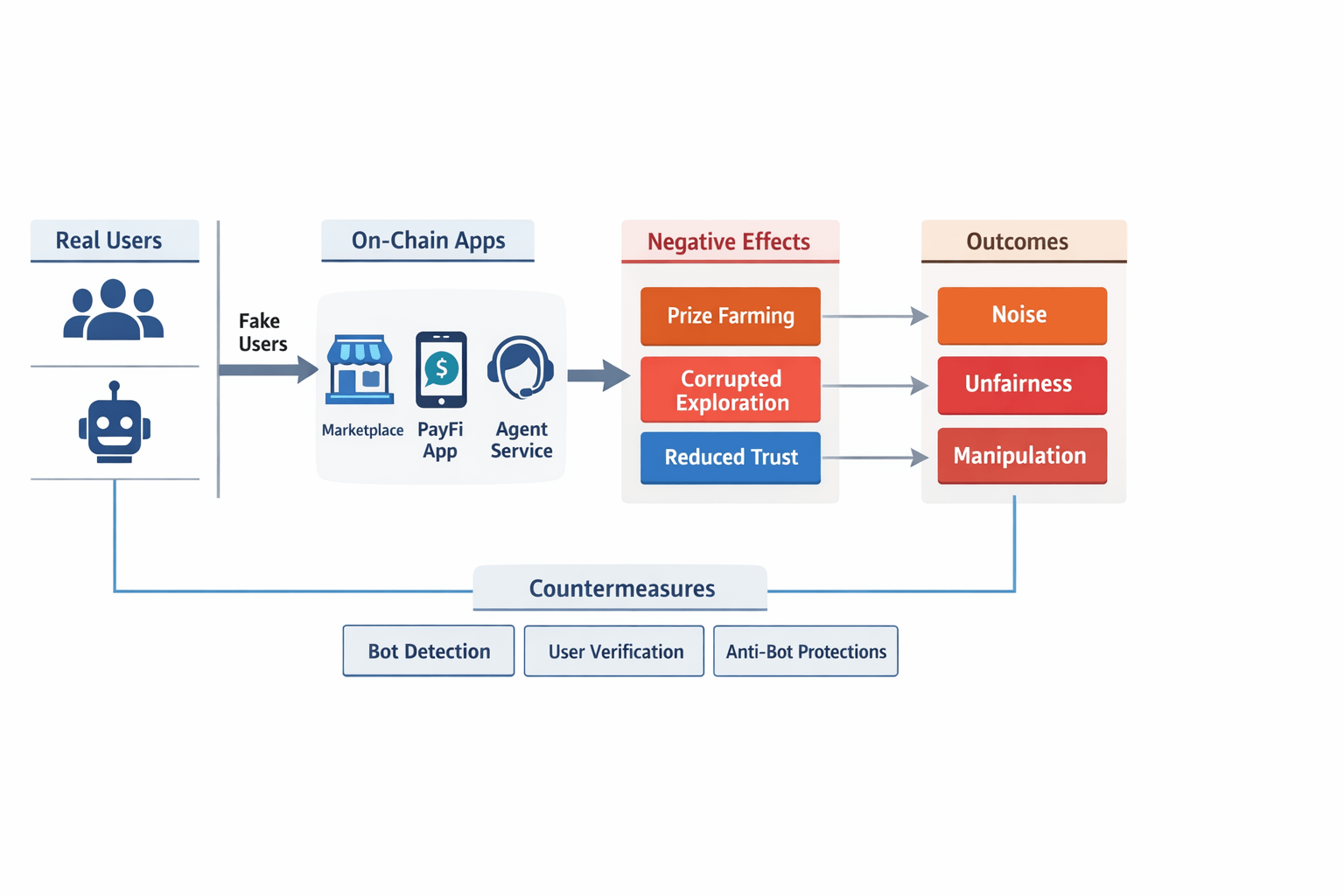
If you spend time around payments or tokenization, you can see why that idea is tempting. The problem in those worlds usually isn’t “how do we move value from A to B.” It’s the mess around the movement: invoices that don’t match purchase orders, disputes that hinge on documents, transfers that are allowed only for certain buyers, jurisdiction rules that change, audit trails that need to survive a regulator’s questions six months later. Most blockchains are fine at recording that a transfer happened. They’re not built to carry the evidence that explains why it was permitted, or what conditions were checked, or which policy applied at the moment money moved.
Vanar is trying to pull that context closer to the chain instead of leaving it as an off-chain shadow system. In its own materials it splits the idea into named parts: the base chain, a “semantic compression” layer called Neutron Seeds for storing proof-like data, and an on-chain logic component called Kayon that’s supposed to query that stored context and apply rules. Even if you ignore the “AI” label—which is safer, because the term has become elastic—the architecture it’s gesturing toward is clear enough: structured data on-chain, and a policy engine that can interpret it.
The first thing I look for with projects like this is whether the story has been stable. Vanar’s current story is payments and tokenized assets. But a UK risk disclosure from October 2024 describes Vanar Chain as a Layer-1 aimed at gaming, entertainment, and metaverse applications, with corporate details and named executives. That doesn’t automatically mean the current angle is fake. It does mean the project has either pivoted or is trying to straddle two identities. In practice, we do everything usually turns into we’re still looking for the lane that sticks.
Then there’s the token backstory, which also hints at a reset. Vanar’s whitepaper describes a 1:1 swap from earlier TVK holders into VANRY. Swaps happen for legitimate reasons, but they’re rarely a sign of perfect continuity. They’re a sign the packaging changed—sometimes because the market changed, sometimes because the thesis did.
Price isn’t proof of anything on its own, but it is a reality check. CoinGecko’s history for VANRY shows a high in March 2024 and a deep low by early February 2026. If you’re trying to judge whether the “data into on-chain logic” narrative is substance or smoke, a chart like that matters because it removes the assumption that the market has already validated the story. Vanar still has to earn belief the hard way: through usage, integrations that hold up, and a design that doesn’t collapse when real counterparties show up with real constraints.
The project’s payments angle leans heavily on a partnership announcement involving Worldpay. Coverage of that partnership describes an effort around Web3 payments and cites Worldpay’s scale—trillions processed annually across a large number of countries. It’s the kind of name that makes people stop scrolling. But anyone who has watched crypto partnerships for a few cycles knows how much daylight there can be between “we announced something together” and “this is running in production with defined responsibilities and measurable volume.
The public materials I’ve seen don’t give the operational details that would settle it. If this were a payments integration you’d want to know what the merchant flow looks like, where compliance checks happen, what assets settle, how disputes are handled, and whether anything is live beyond pilots. Without that, the honest conclusion is narrower: Vanar has convinced a large payment actor to publicly align with it at least at the level of exploration and messaging. That’s not nothing, but it’s not the same as being embedded in payment plumbing.
The tokenized asset angle is easier to connect to a real pain point, mostly because it’s impossible to do serious tokenization without compliance logic. Vanar points to a strategic partnership with Nexera framed around real-world asset integration and compliance middleware. In tokenization, minting a token that “represents” something is the easy part. The hard part is everything around it: who is allowed to buy, who is allowed to hold, what happens when someone moves across jurisdictions, how transfer restrictions are enforced, how audits happen, and whether the rules are consistently applied in ways that hold up later.
This is also where skepticism becomes less of a personality trait and more of a requirement. Tokenization isn’t just a technical exercise; it’s an operational risk exercise. BIS work on tokenisation has repeatedly stressed that token arrangements can reshape or introduce risks—operational, cyber, custody, integration—and that system design choices can create new vulnerabilities. That point cuts both ways for Vanar. A vertically integrated “data + logic + settlement” stack might reduce friction. It might also concentrate complexity so tightly that one failure mode ripples across everything built on it.
One detail that stuck with me, because it’s the kind of thing serious counterparties notice, is that Vanar’s token distribution numbers don’t reconcile cleanly across its own public documents. The whitepaper outlines a capped supply of 2.4 billion VANRY, with 1.2 billion minted at genesis and the remaining 1.2 billion distributed over 20 years via block rewards and allocations, emphasizing validator rewards, development rewards, and a smaller community portion, plus a “no team tokens” line that’s meant to signal alignment. The UK risk disclosure also uses the 2.4 billion cap, but describes genesis swap and allocation figures in a way that differs in absolute numbers.
There are harmless explanations—documents updated at different times, different definitions of “genesis” versus “swap allocation,” or a disclosure table that didn’t get refreshed. Still, for a project selling “verified truth” as a theme, mismatched supply math is an avoidable unforced error. It doesn’t prove bad intent. It does signal that anyone doing diligence should cross-check, ask for clarifications, and treat the “clean story” as a draft rather than a finished record.
If you strip the branding away, the cleanest way to understand what Vanar is really trying to build is this: receipts, but as structured objects that can be inspected and enforced. Not receipts as PDFs, not receipts as a blob stored somewhere with a hash on-chain—receipts as data that the chain can interpret in a predictable way. That framing matters because in both payments and tokenized assets, the receipt trail is often more valuable than the transfer event. Transfers are cheap. Evidence is expensive. Evidence is what survives disputes, audits, and enforcement.
That’s also where Vanar’s thesis either becomes useful or runs into a wall. Making data “semantic” is not a magic trick; it’s a standardization problem. Two firms can store “the same” contract clause and still disagree about what it means. A chain can verify signatures; it can’t verify reality unless reality is brought in through accountable attestations. If a system depends on attestations, then the real trust layer is the network of signers, their incentives, their liabilities, and whether their signatures are accepted by regulators and auditors where it counts.
And then there’s privacy, the question most projects postpone until it’s too late. Vanar’s messaging points toward storing legal and financial proof data on-chain in compressed form. Compression helps with size, not confidentiality. If the chain is meant to handle payment context and asset documentation, the practical adoption challenge isn’t just “can we store it” but “can we store it in a way that doesn’t become a permanent liability.” There are cryptographic ways to handle sensitive data, but the public narrative doesn’t, on its own, settle how confidentiality is preserved end-to-end.
So the most honest place to land is somewhere in the middle. Vanar is not selling a faster transfer rail. It’s selling the idea that the missing layer in crypto finance is enforceable context—data that stays attached to value movement in a way machines can use. Its partnerships and positioning are consistent with that direction, at least on paper. At the same time, the public record is heavier on intention than on implementation detail, and the inconsistencies in token allocation figures across documents are exactly the kind of thing that keeps institutional readers cautious.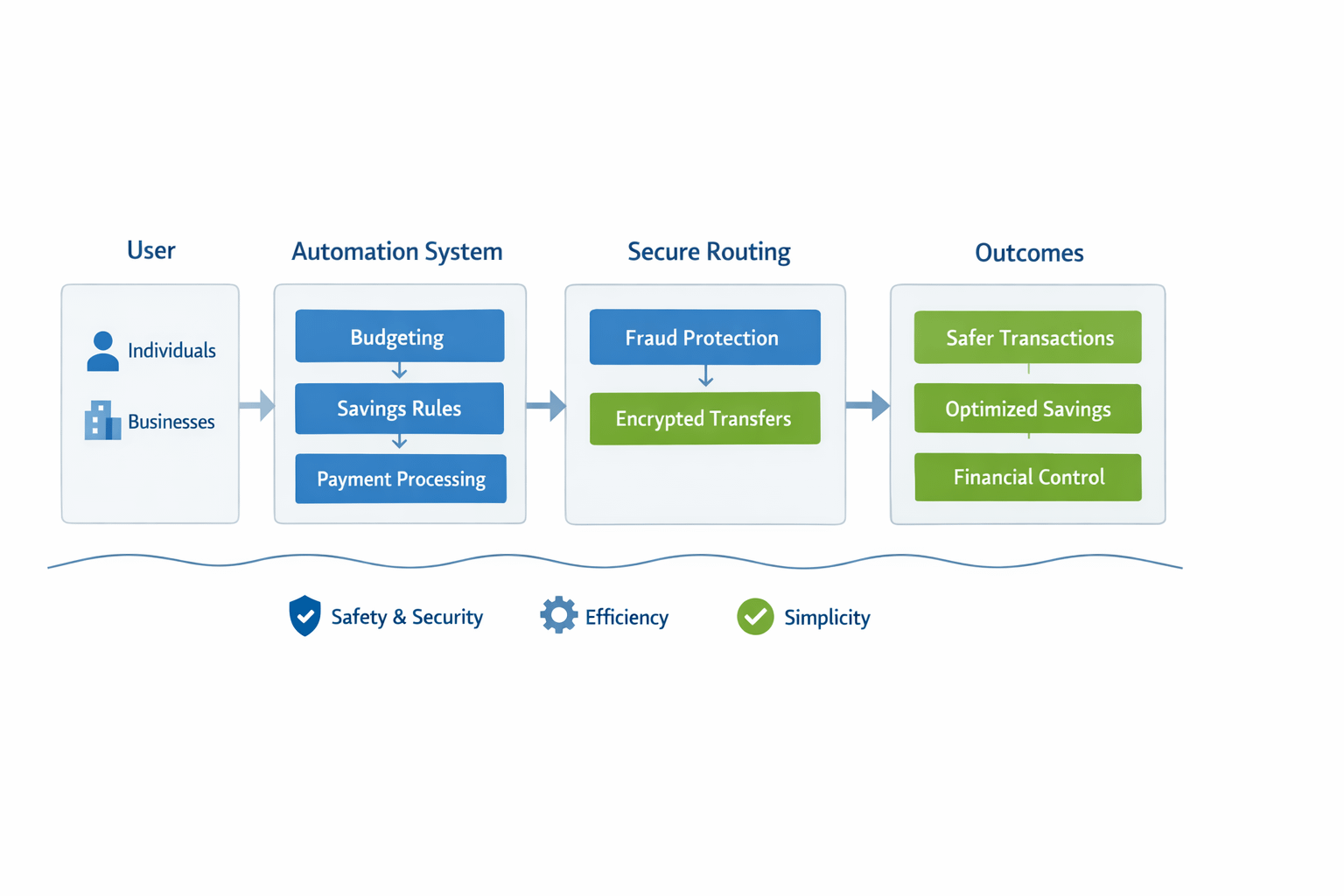
If Vanar works, it probably won’t be because it convinced the internet with a slogan. It’ll be because someone with real compliance constraints finds that the chain can hold the right evidence, apply the right rules, and produce a trail that stands up under scrutiny—without leaking sensitive information or collapsing under complexity. If it doesn’t work, it will likely be for reasons that don’t fit neatly into crypto narratives: standards don’t converge, attestations don’t earn trust, privacy requirements block adoption, or operational risk outweighs the convenience. The BIS warnings about tokenisation risks exist because financial systems don’t reward elegant architectures that fail under real-world stress.