
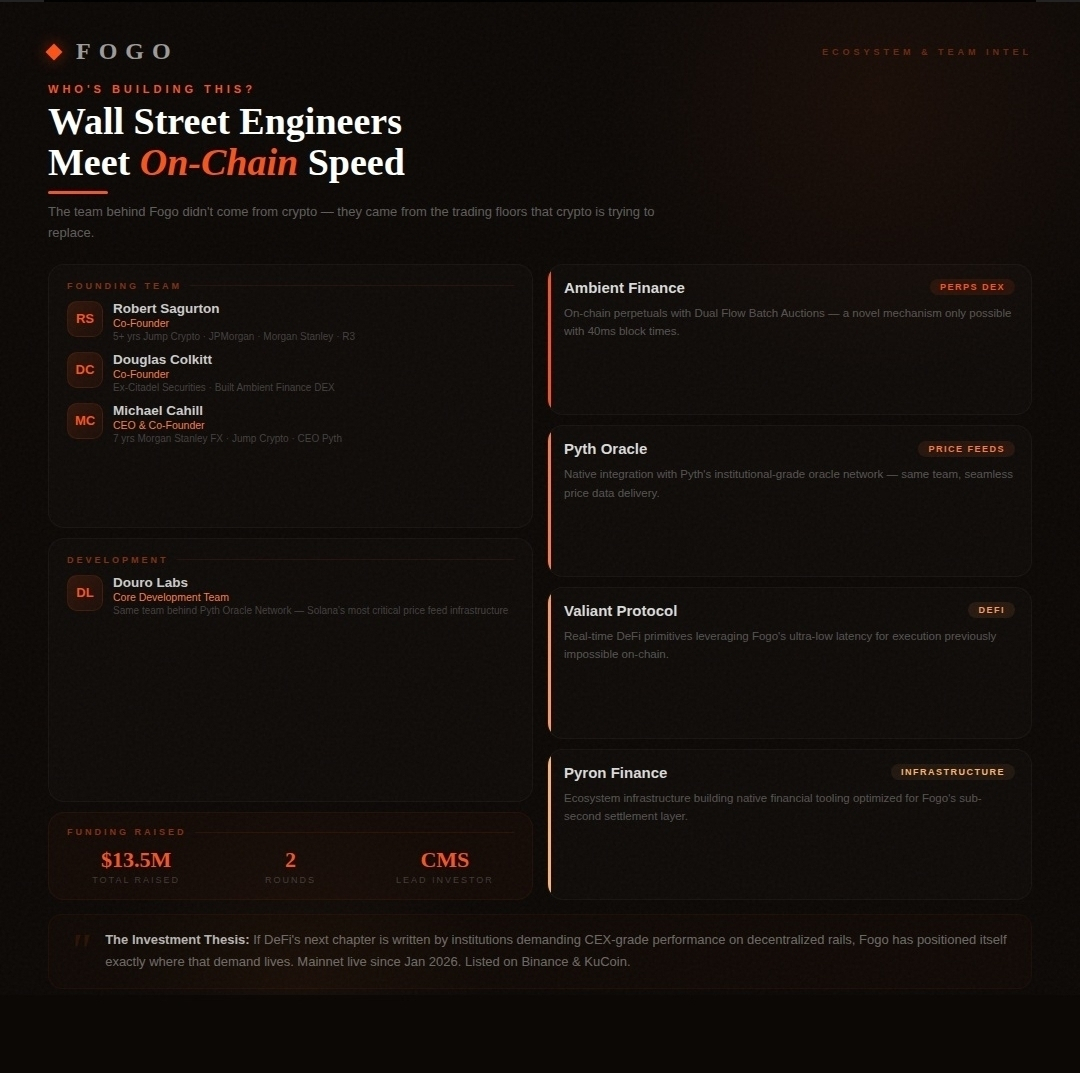
 When I revisit Fogo after studying more L1 architectures this year, I keep coming back to one thought:
This isn’t built for hype cycles.
It’s built for market structure.
Fogo is a high-performance L1 that utilizes the Solana Virtual Machine (SVM). On the surface, that’s ecosystem leverage — developers can use familiar SVM tooling without learning a new execution environment.
But after spending time reviewing how the network is positioned, I don’t think execution is the main story.
Consensus is.
The Latency Question Most Teams Avoid
Every chain says it’s fast.
Very few explain why their speed is sustainable.
After digging into Fogo’s design philosophy, what stands out is the recognition that latency is physical, not just computational. If validators are scattered globally, coordination delay becomes embedded in finality.
Fogo’s Multi-Local Consensus model narrows validator coordination into optimized zones. Validators are curated and performance-aligned. That means tighter communication loops and lower variance in block production.
It’s not maximal decentralization.
It’s deterministic infrastructure.
And that’s a conscious tradeoff.
I respect that clarity. Too many projects promise both perfect decentralization and ultra-low latency as if physics is optional.
SVM Compatibility Without Shared Congestion
Another aspect I paid attention to is separation.
Fogo runs the Solana Virtual Machine independently. That means:
• Familiar execution environment
• Developer portability
• No shared state or congestion from Solana mainnet
That last part matters.
Compatibility without dependency is rare. Most “aligned” chains inherit systemic bottlenecks. Fogo isolates performance while keeping the developer experience familiar.
That’s strategic positioning
Who Is This Actually Built For?
After analyzing the design, I don’t see Fogo targeting meme speculation or retail trading narratives.
It feels engineered for:
• Real-time derivatives markets
• Auction-based liquidity systems
• Latency-sensitive DeFi
• Capital-intensive structured products
In those environments, predictability matters more than ideological purity.
If DeFi evolves toward professional-grade infrastructure, Fogo is structurally aligned.
If it remains primarily narrative-driven retail flow, the market may not fully value what Fogo optimizes for.
My Framework Has Changed
I used to evaluate L1s by peak TPS numbers.
Now I ask:
How geographically concentrated are validators?
How does finality behave under sustained stress?
Is performance predictable — or just impressive on empty testnets?
Fogo is one of the few chains I’ve reviewed that feels like it was designed around those questions from day one.
It’s not trying to win a popularity contest.
It’s trying to engineer a deterministic environment for markets that don’t tolerate delay.
And whether that thesis plays out or not, I respect the fact that Fogo isn’t pretending the world is smaller than it is.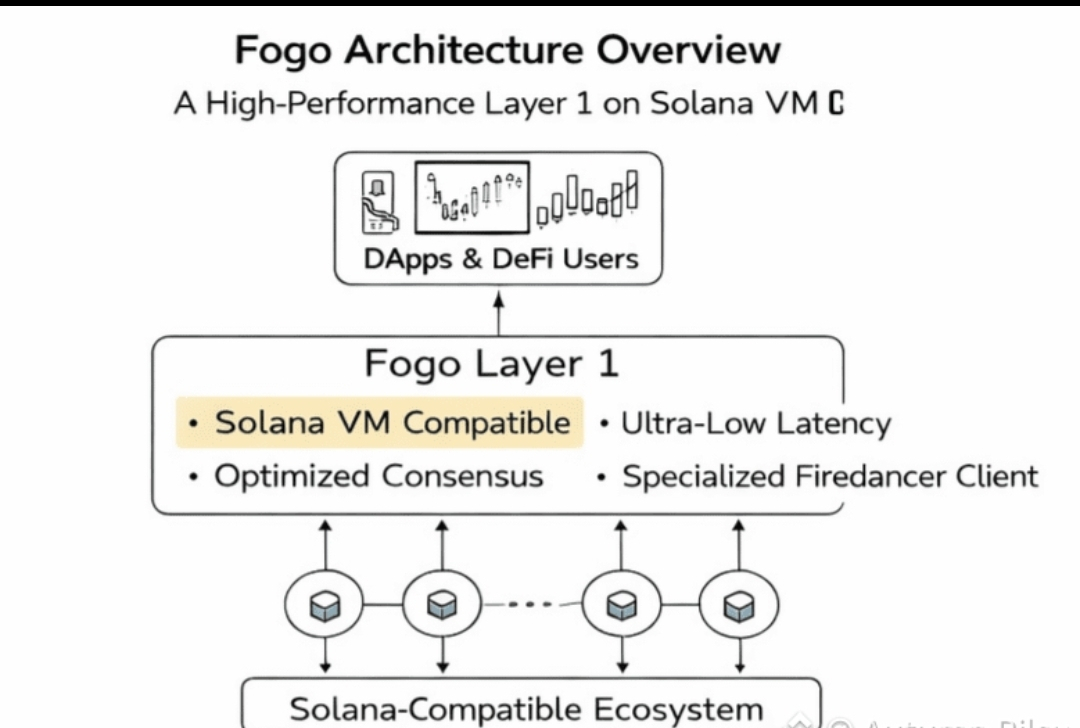
$FOGO
#fogo
@Fogo Official