Let’s be honest: for all its promise, Web3 often feels like a beautiful, clunky mess. We talk about decentralization, self-custody, and permissionless innovation, but the reality for most users involves gas wars, slow transactions, and a constant, nagging fear of losing everything to a rogue smart contract or a simple copy-paste error. This isn't just a hurdle; it's a chasm preventing mass adoption, keeping the true power of decentralized finance and applications locked away from anyone who isn't a battle-hardened degen.
The core problem boils down to a fundamental tension: how do we achieve the security and immutability of a blockchain while delivering the speed and seamless experience of Web2? Most solutions have been iterative, pushing the boundaries of existing paradigms. Fogo, however, approaches this with a refreshingly infrastructure-first, UX-second philosophy, understanding that user experience isn't just a nice-to-have; it's a direct byproduct of robust, scalable foundational tech.
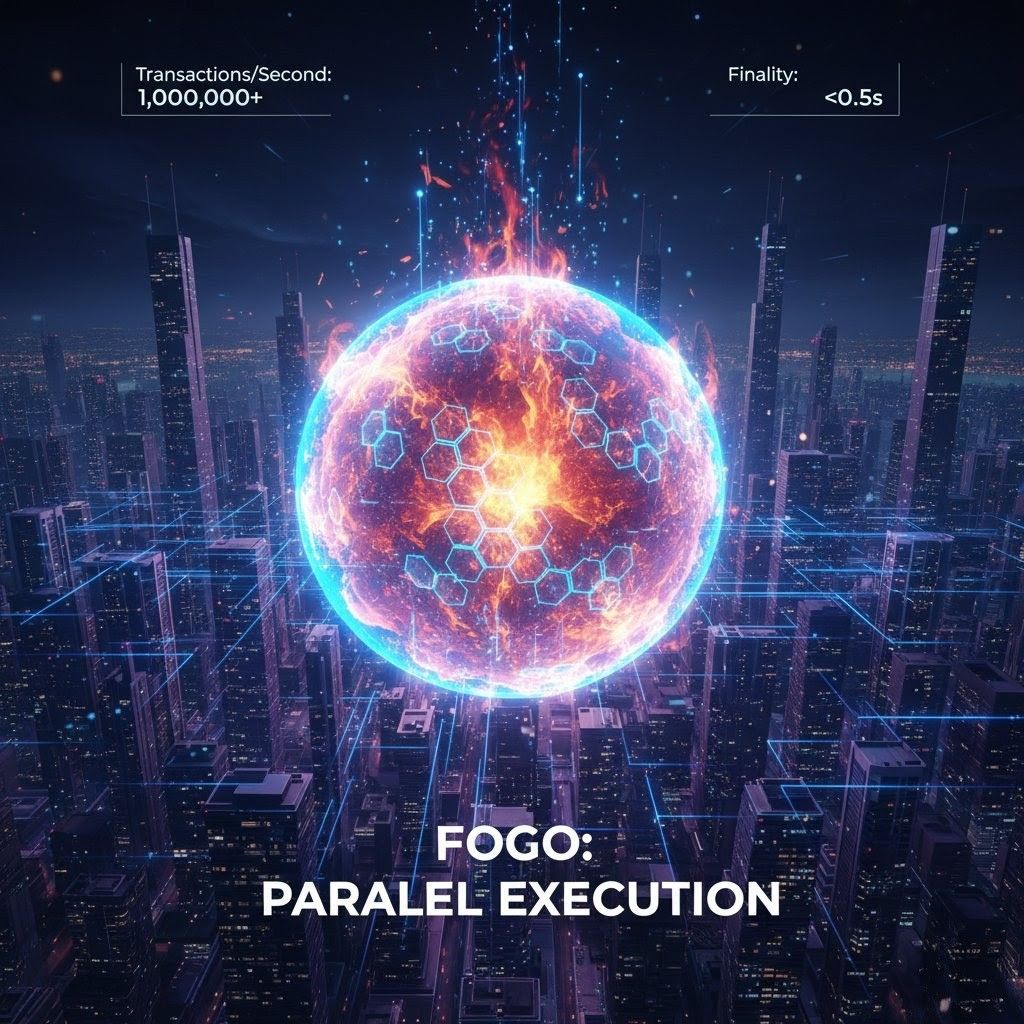
At its heart, Fogo tackles the scalability trilemma head-on, but with a unique architectural twist. Instead of solely relying on sharding or a single, monolithic chain, Fogo leverages a State-Parallel Virtual Machine (SVM). Think of it not just as parallel execution in the traditional sense, but as an engine specifically designed to process independent state changes concurrently without compromising global state integrity. This isn't just about more transactions per second; it's about intelligent, conflict-free parallelization that unlocks unprecedented throughput, making network congestion a relic of the past. Imagine a bustling city where every street can handle traffic simultaneously without gridlock – that’s the kind of efficiency Fogo aims for.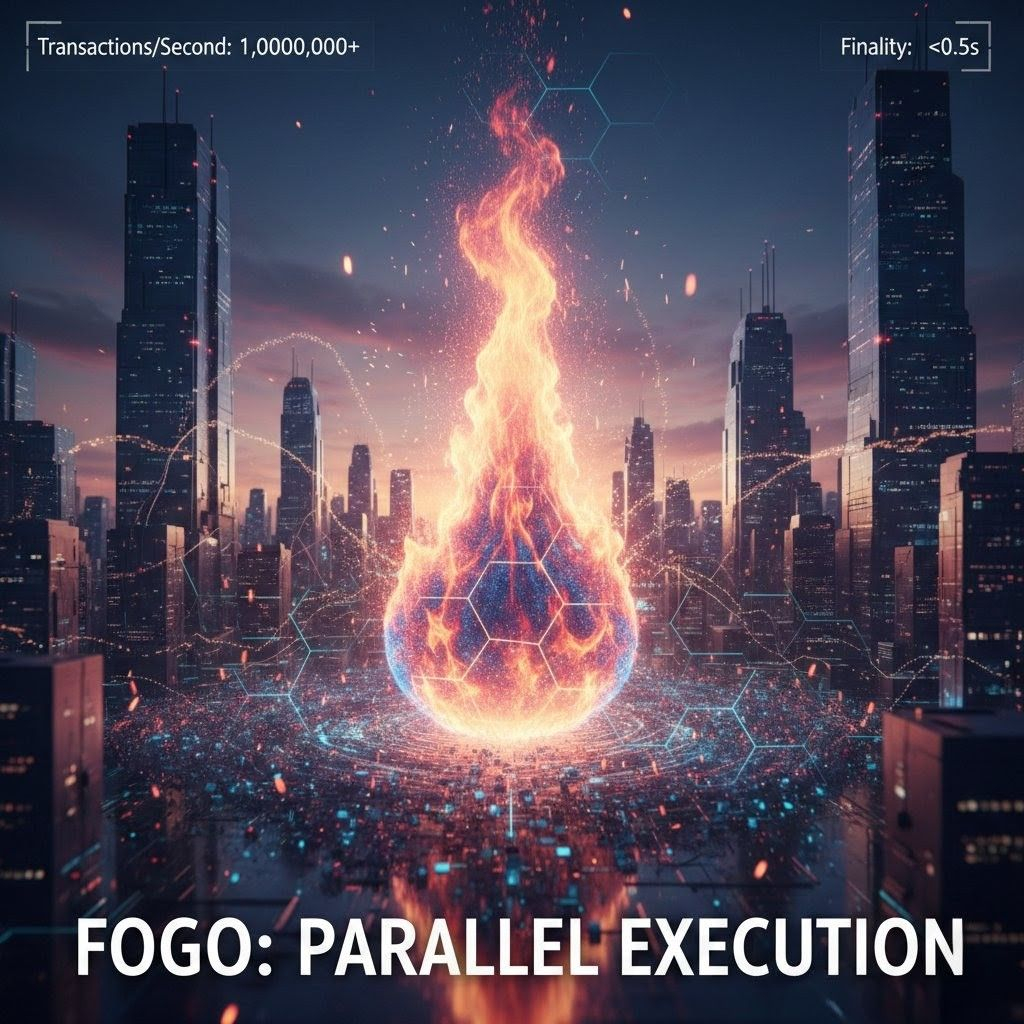
Beyond raw speed, Fogo significantly enhances security and user experience through innovations like Session Keys. For anyone who's ever had to approve every single transaction with their hardware wallet, even for minor in-app actions, the pain is real. Session Keys allow users to grant temporary, granular permissions for specific actions within a dApp without exposing their primary private key. This means you can authorize a gaming dApp to make in-game moves on your behalf for a set period, or allow a DeFi protocol to manage liquidity within predefined limits, all without constant manual approvals. It’s the difference between signing a master agreement for every single interaction and giving a trusted assistant limited, revocable authority for routine tasks. This isn’t just convenience; it’s a massive leap in practical security, minimizing exposure to the main key while maintaining user control.
The impact of this robust infrastructure on DeFi mechanics is profound. Imagine complex strategies like arbitrage or high-frequency trading executing not just quickly, but consistently, without slippage due to network latency. The low transaction fees and near-instant finality foster an environment where micro-transactions become viable, unlocking entirely new economic models for dApps and further decentralizing access to financial services. Fogo isn't just speeding up existing processes; it's enabling use cases that were previously theoretical due to blockchain limitations.
Ultimately, Fogo’s approach matters for mainstream crypto adoption because it understands that genuine decentralization doesn't have to come at the cost of usability. By prioritizing a foundational architecture that supports unprecedented scale, speed, and security features like SVM and Session Keys, Fogo is building the highway upon which seamless, intuitive Web3 experiences can finally be delivered. It's about empowering users to interact with decentralized applications not with trepidation, but with the same ease and confidence they expect from the centralized internet, without sacrificing the core tenets of crypto. This is how we move from a niche, expert-only domain to a truly global, inclusive financial and digital ecosystem.#fogo @Fogo Official $FOGO