From Automated Market Makers to High-Frequency Order Books: How Fogo is Re-Engineering the DNA of DeFi.
For the past five years, Decentralized Finance (DeFi) has been dominated by a single market structure: the Automated Market Maker (AMM). While revolutionary for its time, the AMM model—used by Uniswap and others—is capital inefficient. It requires massive liquidity to prevent slippage and offers traders no control over the price at which they execute.
This is where Fogo enters the arena. Fogo is not just building a faster blockchain; it is building a distinct structural edge designed to support Central Limit Order Books (CLOBs) fully on-chain. Here is how Fogo’s architecture is changing the physics of trading.
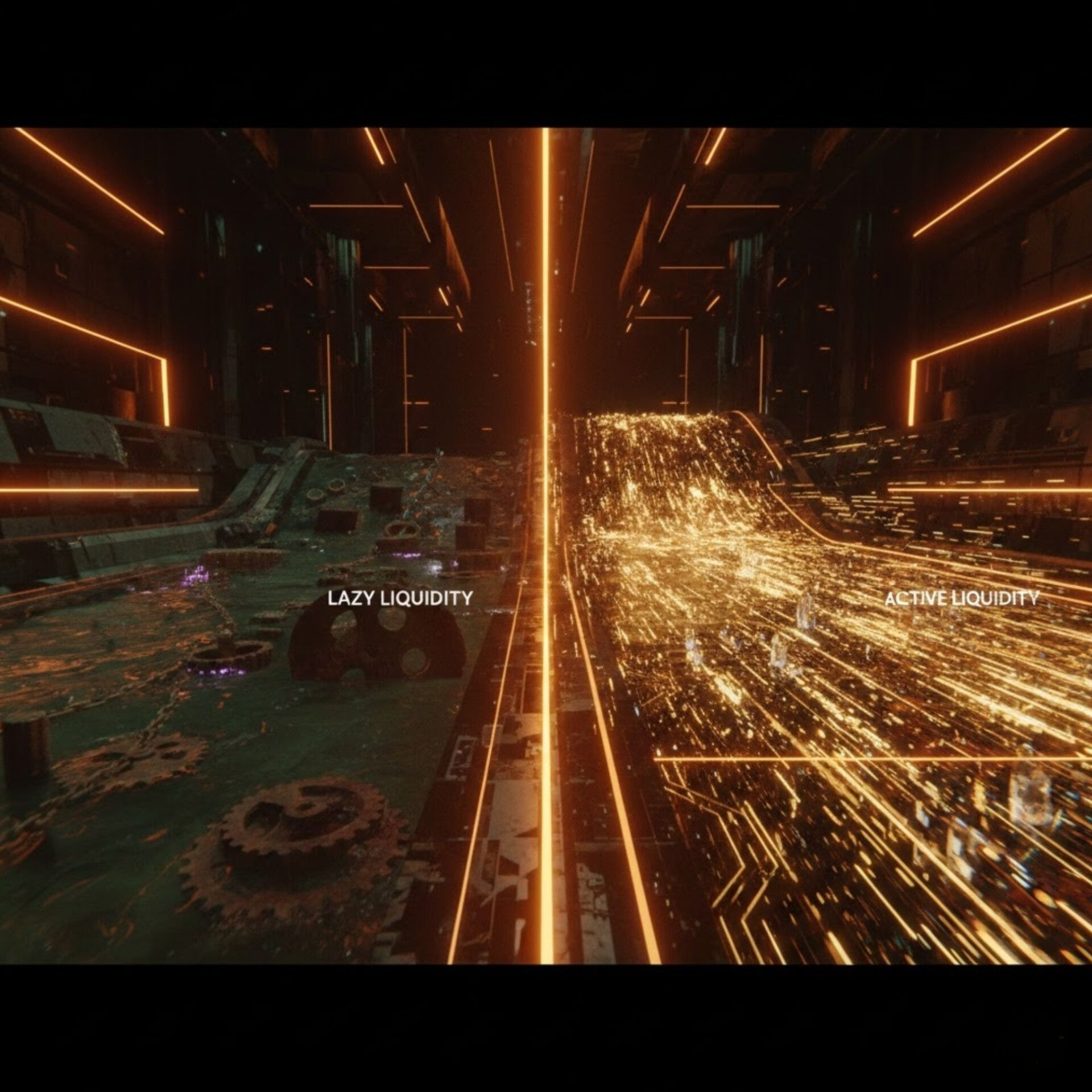
1. The End of "Lazy Liquidity"
The primary structural flaw of traditional L1s (like Ethereum) is that they are too slow and expensive to update orders. This forces liquidity providers to deposit funds into passive pools (AMMs).
Fogo’s architecture utilizes sub-second block times and low-latency consensus, allowing market makers to actively update their quotes hundreds of times per second. This shift from "passive" to "active" liquidity means tighter spreads for traders and better capital efficiency for institutions. On Fogo, liquidity isn't just sitting there; it’s working.
2. The Return of the Limit Order
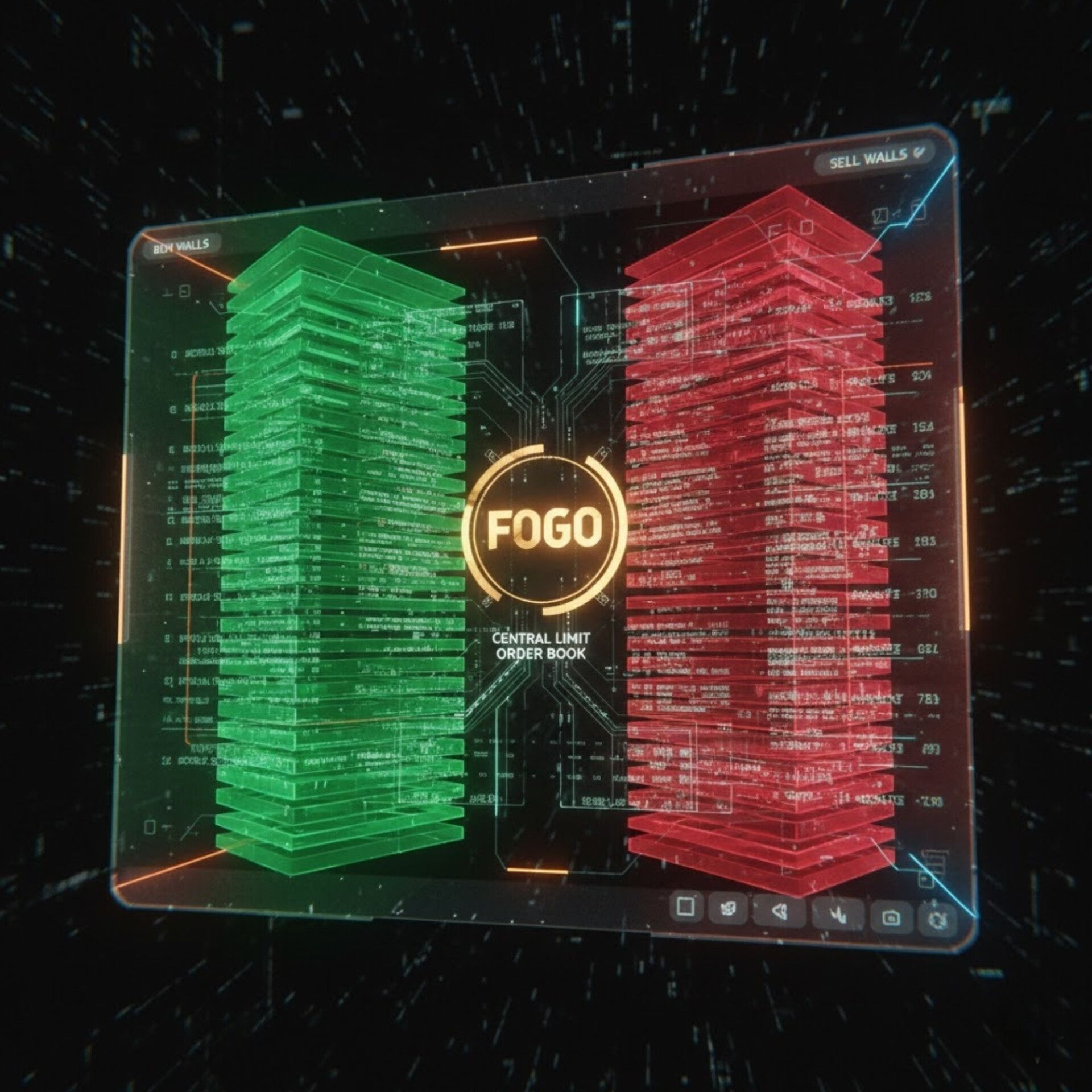
In the AMM model, you can only "swap" at the current market price. Institutional traders, however, require Limit Orders—the ability to say, "I want to buy $FOGO only if it hits $1.50."
Fogo’s high throughput allows for a fully on-chain Central Limit Order Book (CLOB). Unlike other chains where order books are off-chain (and therefore centralized), Fogo’s structural capacity processes matching engine logic directly on the validator network. This brings the user experience of a centralized exchange (CEX) like Binance to the trustless world of DeFi.
3. Atomic Composability and Speed
Speed is useless if it breaks connectivity. Some high-speed chains fracture their liquidity into different "shards" or layers. Fogo maintains a unified state.
This creates a structural edge known as Atomic Composability. A trader can execute an arbitrage strategy involving a lending protocol, a derivatives exchange, and a spot market on Fogo all in a single transaction block. Because the chain processes transactions in parallel (similar to high-performance computing), the network does not choke during high volatility events.

4. Deterministic Execution
In traditional DeFi, "front-running" (MEV) is a plague. Bots see your transaction in the waiting room (mempool) and jump ahead of you to buy it first, giving you a worse price.
Fogo’s structural design minimizes this through optimized transaction ordering. By reducing the time a transaction sits in the mempool and potentially utilizing fair-ordering protocols, Fogo ensures that the market structure is fair. It creates a trading environment where the fastest and smartest traders win, not the ones who bribe the validators the most.

Conclusion: The Infrastructure for Wall Street
Fogo is not trying to be a general-purpose computer; it is optimizing itself to be the global financial settlement layer. By enabling on-chain order books, active liquidity provision, and fair execution, Fogo bridges the gap between the $2 Trillion crypto market and the $100 Trillion traditional finance market.
The future of markets is not automated pooling; it is high-frequency, transparent, and precise. Fogo is the structure that makes that future possible.