
There’s something deeply weird about how the gaming industry handles value. Millions of players invest thousands of hours into games. They build up inventories, unlock achievements, develop skills, form social connections, create content that makes games culturally relevant. All of this generates real value that makes games worth billions of dollars to the companies that own them. But when a player stops playing or when a company shuts down servers, everything those players created simply evaporates.
This isn’t how value works in almost any other context. You can’t just delete someone’s bank account because they haven’t logged in recently. You can’t erase someone’s house because the neighborhood isn’t popular anymore. But in gaming this happens constantly and everyone treats it as normal.
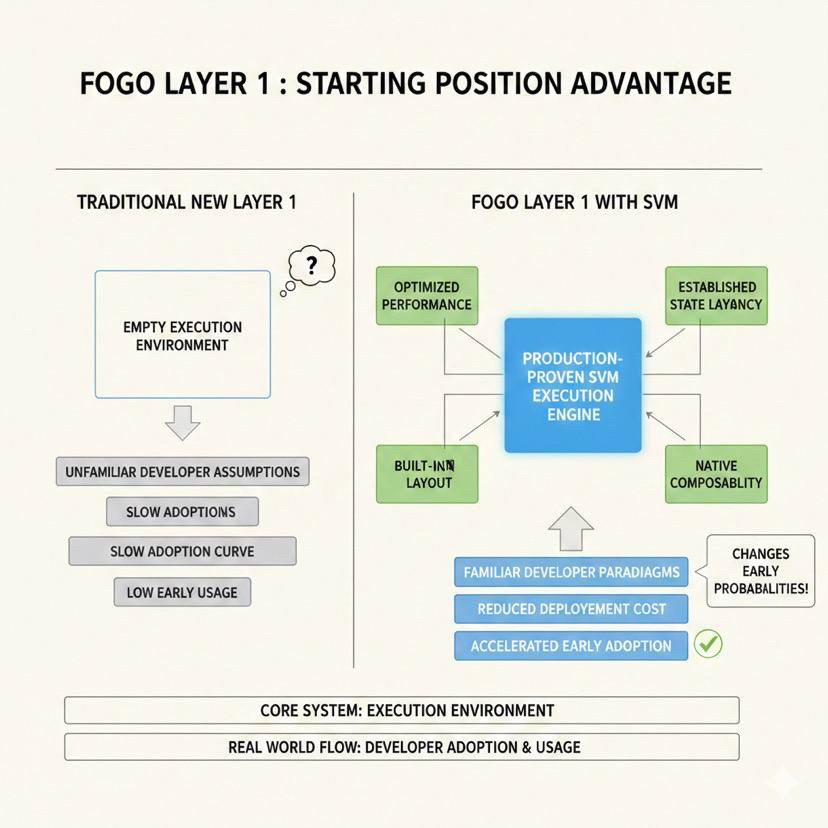
Fogo is building infrastructure that changes this dynamic by making player ownership technically real rather than just licensing agreements that can be revoked. The interesting part isn’t the blockchain ideology behind it. The interesting part is watching what happens when players actually control their stuff for the first time.
Let me start with why this is harder than it sounds.
Games are transaction machines. Every action a player takes potentially involves the blockchain if you’re tracking ownership properly. An enemy drops an item. A quest completes and awards something. A daily login gives a reward. A marketplace trade happens. An auction ends. A guild distributes resources. All of this happening simultaneously across thousands or millions of players who expect the game to respond instantly every single time.
Early blockchain games tried to handle this and failed spectacularly. Transaction costs made routine actions economically absurd. Waiting for blockchain confirmations broke gameplay flow completely. Network congestion during popular moments made games literally unplayable. Players who weren’t crypto enthusiasts took one look at the experience and left immediately.
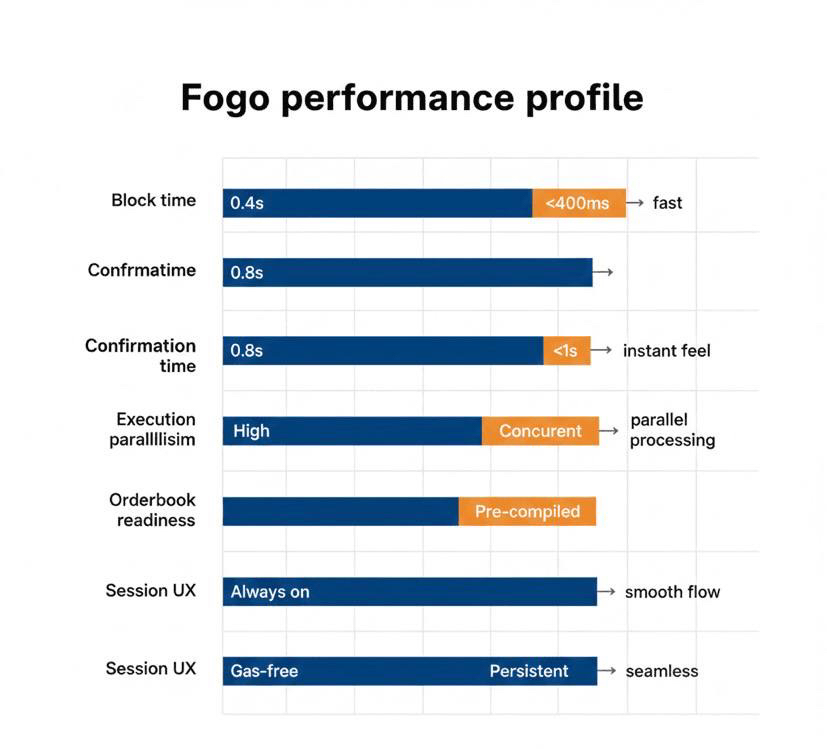
Fogo’s infrastructure handles these volumes without players noticing anything unusual. Finality in milliseconds means actions feel instant. Throughput in tens of thousands of transactions per second means population size doesn’t create bottlenecks. Costs at fractional cents mean the economics disappear from player consideration entirely. The blockchain becomes invisible infrastructure rather than visible friction.
This invisibility is actually the goal and it represents a philosophical shift from early blockchain gaming. Those projects announced themselves constantly. Every interaction reminded you that blockchain was involved. Wallet addresses. Gas fees. Confirmation dialogs. It was exhausting and it ruined games that might have been interesting otherwise.
Fogo took the opposite approach. The blockchain should disappear completely from the player perspective. You play the game. You earn items. You trade with other players. You participate in economies. Everything feels like a normal game except you actually own what you earn in a way that persists outside the game’s control.
Game developers face a real problem when considering blockchain integration. Their teams know how to make games. They understand frame rates and combat systems and progression curves and social dynamics. They don’t know smart contracts or token economics or consensus mechanisms. Asking them to learn all of that while still making good games is asking them to become different professionals.
Fogo’s tools work inside Unity and Unreal Engine with APIs that look like any other third-party service integration. A developer adds ownership features without learning blockchain concepts. They implement marketplaces without understanding what’s happening at the protocol level. This removes the expertise barrier that kept blockchain gaming limited to projects specifically built around crypto.
The economic models that emerge when ownership is real and infrastructure is capable are legitimately novel.
Secondary markets develop naturally when players can trade freely. Prices find equilibrium through actual supply and demand. Players who invest time and skill earn assets with market value. Players who prefer spending money over grinding can buy from players who prefer the opposite. The game developer doesn’t operate the market or police fraud because the blockchain handles verification automatically. Economic activity organizes itself around transparent rules that nobody can change unilaterally.
Scholarship systems are evolving in interesting directions. In traditional terms, an established player loans valuable assets to a newcomer who lacks resources to access high-level content. Both benefit. The asset owner earns returns without playing. The newcomer accesses content they couldn’t afford otherwise. These arrangements require zero trust between parties because the smart contracts handle everything. Early implementations of this were simplistic but what’s developing now on Fogo-based games shows real sophistication in how participants structure these relationships.
Guild economics are becoming genuinely complex. Shared treasuries with democratic or hierarchical control. Compensation systems for members based on contribution. Strategic asset acquisition to benefit the guild. Revenue sharing from collective activities. This organizational sophistication emerges from infrastructure that supports it rather than from developers explicitly designing it into games. Players are building economic and social structures that weren’t anticipated.
Play-to-earn keeps getting discussed but most implementations have been terrible. The problem wasn’t usually the infrastructure though that was often part of it. The problem was treating earning as the primary gameplay loop rather than as a natural outcome of engaging gameplay. Games that are only worth playing if you’re earning money aren’t actually games. They’re jobs dressed up with graphics.
Fogo doesn’t solve the game design problem. Developers still need to make games worth playing for their own sake. What Fogo solves is making the economic layer viable when it sits underneath actually good gameplay. The infrastructure costs are low enough that frequent small rewards become economically sensible. The performance is good enough that economic features don’t degrade the core game experience.
Cross-game asset portability deserves honest discussion because it gets oversold constantly. Fogo provides the technical foundation. Assets have persistent cryptographic identity outside any single game. Whether multiple games actually recognize each other’s assets involves design decisions and commercial agreements that no infrastructure can force. A sword from one game working in another game requires those developers agreeing it makes sense creatively and commercially. The infrastructure enables the possibility without guaranteeing the outcome.
Security matters in direct proportion to how much economic value flows through the system. When game assets are just database entries they need typical game account security. When game assets represent actual money they need financial system security. Fogo implements formal verification for critical contracts, regular independent audits, continuous monitoring for exploitation patterns. Players shouldn’t have to think about this but the infrastructure has to be trustworthy at the level that financial stakes require.
The FOGO token connects network operation to gaming success in straightforward ways. Validators stake to secure infrastructure and earn from transaction fees. More gaming activity means more fees. Successful games create natural sustainable demand beyond speculation. Governance gives community voice in platform direction while studios building multi-year projects need confidence the infrastructure won’t change unpredictably underneath them.
I’ve been watching how younger players think about digital items and there’s a generational shift happening that makes Fogo’s timing meaningful. Players who grew up with Fortnite and Roblox already treat digital cosmetics as things with real value. They already understand that virtual items can matter. The conceptual leap to genuine cryptographic ownership isn’t large for them. What’s been missing is infrastructure that makes ownership technically viable and economically sensible at the scale these games operate.
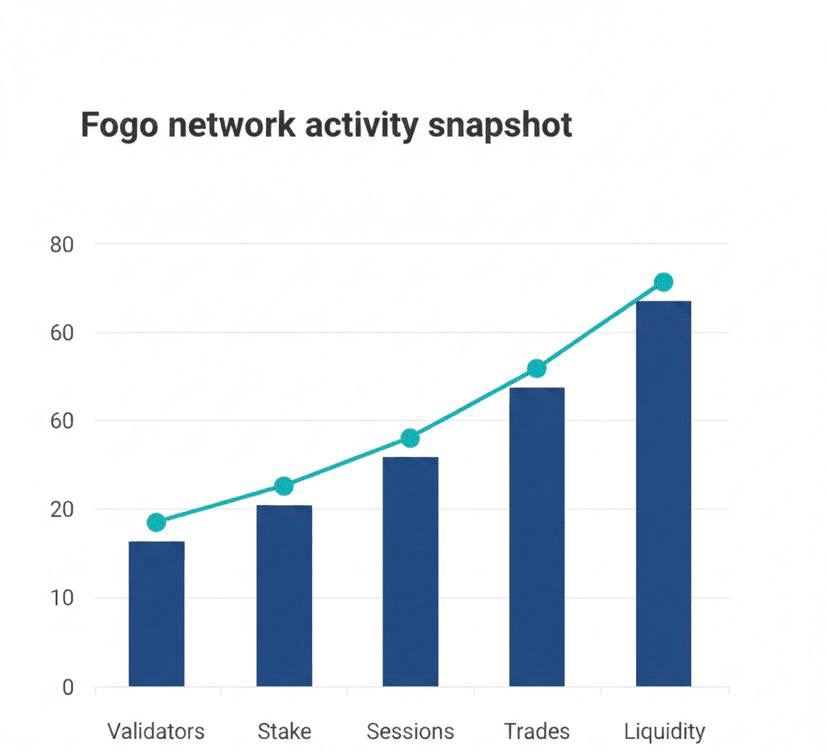
Gaming is moving toward player ownership whether any particular platform succeeds or not. The economic logic makes sense. The generational expectations support it. The question is which infrastructure is ready when the transition happens at mainstream scale. Fogo is building for that scale now, before it arrives, which is exactly when infrastructure needs to be built if it’s going to support the demand when it comes.
The platform doesn’t have to be perfect. It has to be good enough that developers can build compelling games on top of it and players can participate in economies without the infrastructure becoming the limiting factor. From what I can see, Fogo is crossing that threshold in ways that previous attempts did not. Whether that’s sufficient for the mainstream breakthrough everyone talks about remains to be determined by execution over the next few years. But the foundation looks more solid than what came before it.