
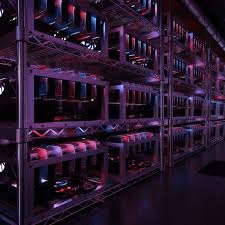
In traditional high-frequency trading (HFT), co-location is everything. Firms invest millions to place their servers inside the same data centers as major exchanges. The reason is simple: latency is bound by physics. Even the fastest software cannot overcome the time it takes for signals to travel across continents.
fogo is the first blockchain to embed this Wall Street logic directly into a Layer 1 protocol. Through its Multi-Local Consensus and Follow the Sun model, fogo optimizes physical proximity to deliver unmatched execution speed.
The Geographic Challenge of Global Consensus
Most blockchains operate as one globally distributed network. While this improves decentralization, it creates a massive latency tax.
For example, when a validator in London communicates with another in Singapore, the signal must travel thousands of miles. This makes ultra-fast block times impossible on a fully global consensus model.
fogo solves this by recognizing a key truth:
Global finance doesn’t operate everywhere at once. It moves in regional waves.
How fogo Rotates Consensus
Active Zones
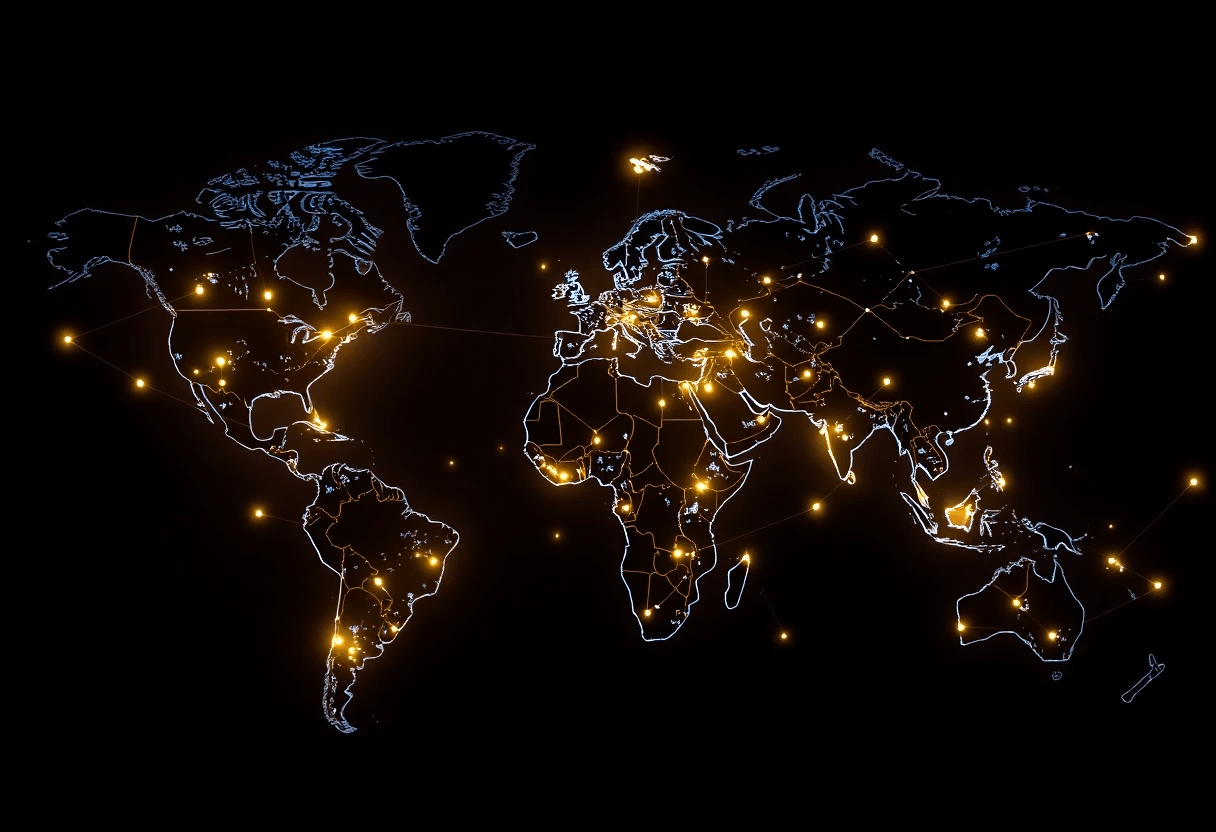
The network defines geographic zones such as North America, Europe, and Asia, where validators can co-locate infrastructure for maximum speed.
Epoch Rotation
Consensus leadership rotates between zones at specific intervals. This ensures no single region ever maintains permanent control over the network.
Dynamic Co-location
Validators use zone-specific keys to participate in high-speed local consensus, enabling block times as low as 40 milliseconds.

What This Means for Users
For users, this creates a powerful advantage.
During your region’s peak trading hours, the network becomes physically optimized for your location. It functions like having a local trading engine connected to a global system.
By combining:
Global validator security
Regional co-location performance
Rotating consensus control
fogo delivers institutional-grade infrastructure designed for the next generation of DeFi.