
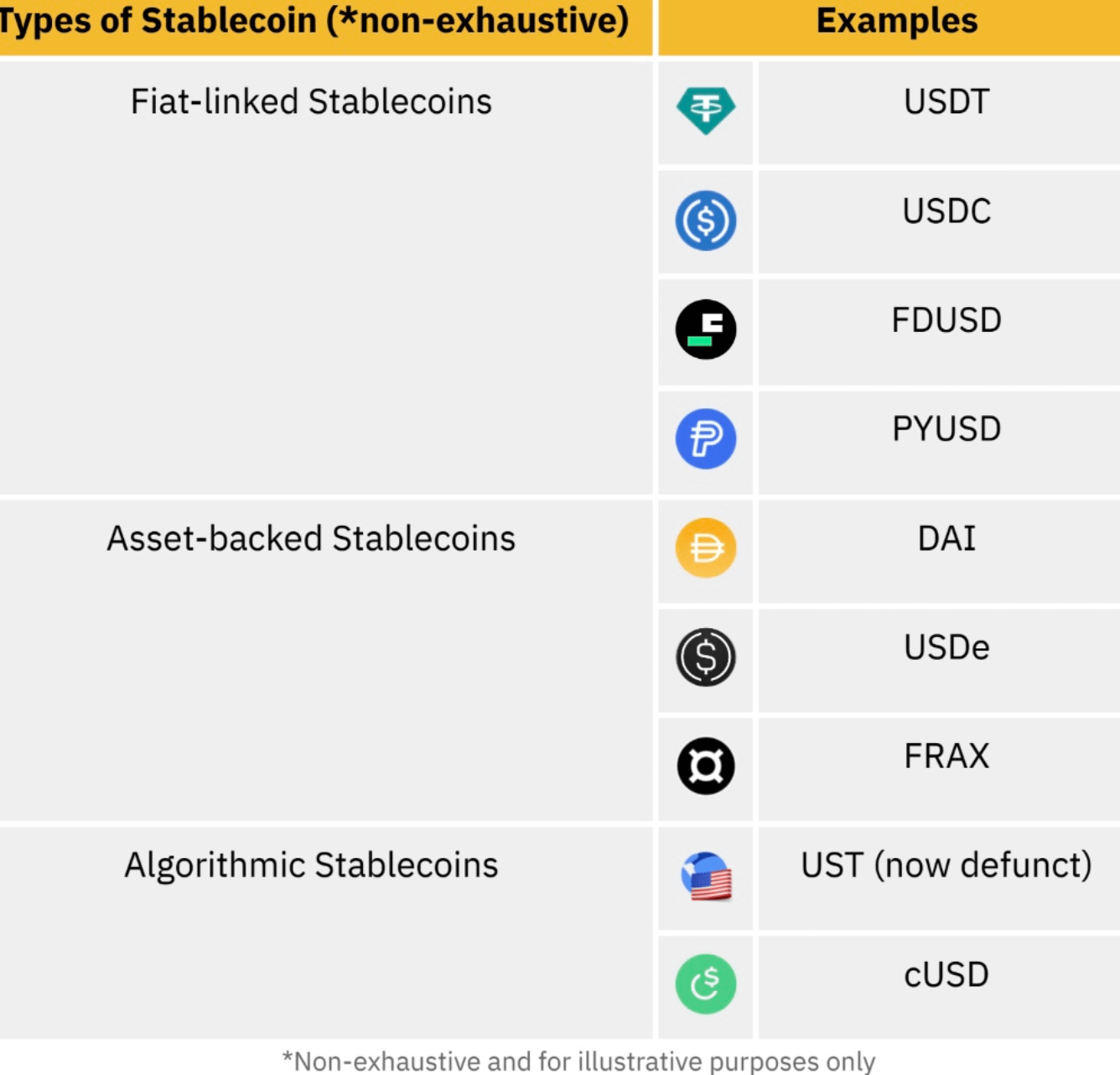
#Stablecoins are no longer just a parking spot between trades. In the current market cycle, they have become the operational layer that keeps crypto liquidity moving, and Binance sits right at the center of that flow. The latest market structure shows a clear pattern: while volatility continues across majors and altcoins, stablecoin liquidity remains resilient, and that changes how traders, exchanges, and institutions behave. Binance Research has already framed this shift directly, noting that stablecoins have moved beyond trading utility into a broader role across savings, payments, and infrastructure.
What makes this especially important now is timing. Crypto has entered a more mature phase, but not a calmer one. Binance Research’s 2026 outlook highlights a market that saw structural growth and institutional adoption while still facing sharp macro-driven swings. In that kind of environment, stablecoins become the “working capital” of crypto—used for risk management, rotation, yield strategies, and settlement—because traders and funds need fast, dollar-like liquidity without leaving the ecosystem.
Stablecoins Are Holding Strength Even When the Market Pulls Back
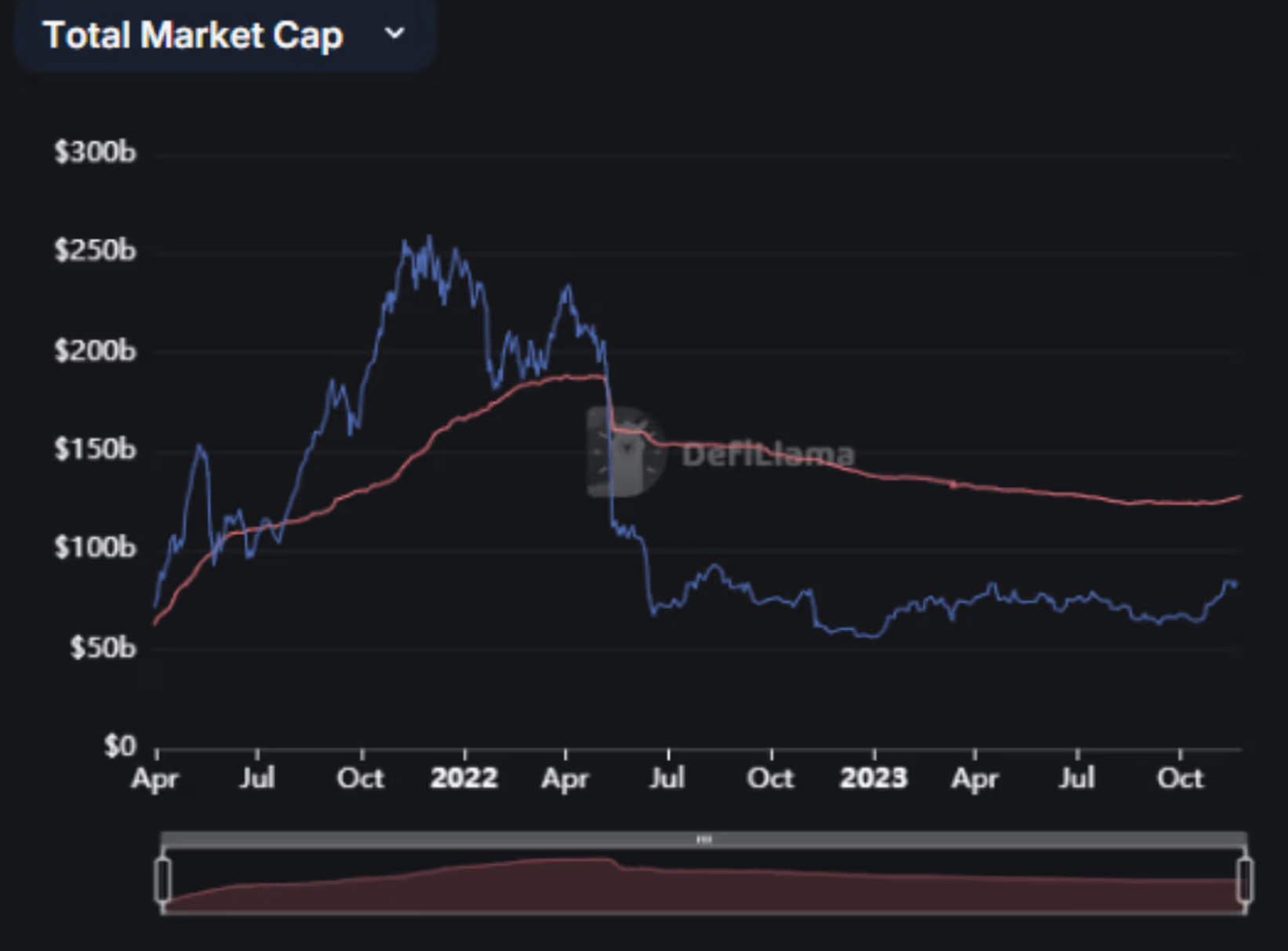
One of the clearest signs of this trend is how stablecoin capitalization behaves during drawdowns. Binance News recently cited DefiLlama data showing stablecoin market cap staying historically elevated at roughly $307 billion even as the broader crypto market weakened. That kind of resilience matters because it suggests capital is not fully exiting crypto during corrections—it is often rotating into stablecoins and waiting for redeployment.
This is a major shift from older cycles where risk-off periods often meant aggressive outflows to fiat. Today, a large share of market participants prefer to keep capital on-chain or exchange-side in stablecoins because it preserves speed. On Binance, that liquidity can be redeployed instantly into spot, futures, margin collateral, Earn products, or conversion tools. In practical terms, stablecoins are now acting like the market’s neutral zone, and Binance remains one of the most important venues where that neutral liquidity is managed and reallocated.
Binance’s Real Advantage Is Not Just Volume — It’s Stablecoin Infrastructure
The conversation around Binance usually starts with trading volume, but in the current stablecoin environment, the more important point is infrastructure depth. Binance is not only a place where stablecoins trade; it is also a platform where they are integrated across multiple products and user flows. That matters because stablecoin utility grows when users can move seamlessly between trading, conversion, custody, and yield products without friction.
Binance’s own stablecoin research breaks this broader picture into layers: issuance, networks, infrastructure providers, and consumer applications. That framework is useful because it explains why the next competition in crypto is not just “which stablecoin wins,” but which platforms control the most useful stablecoin rails. Binance is clearly positioning itself in that race through product integration and market access rather than relying on one narrative or one token alone.
This is also why stablecoin strategy on Binance looks more sophisticated now than in previous cycles. Traders are not only using USDT or USDC for entries and exits; they are using stablecoins as a base liquidity asset, collateral, temporary treasury, and transfer layer. For professional participants, that flexibility is exactly what makes exchange infrastructure valuable.
Regulation Is Reshaping Stablecoin Usage on Binance — and That’s a Big 2026 Story
The current scenario cannot be discussed seriously without regulation. One of the most important developments for Binance users has been the MiCA-related stablecoin changes in the EEA. Binance’s official announcement made it clear that non-MiCA compliant stablecoin spot pairs were restricted and delisted for EEA users, while Binance also pushed users toward compliant alternatives such as USDC and EURI in that region.
This matters for two reasons. First, it confirms that stablecoin liquidity is now directly tied to jurisdiction-level compliance rules, not just exchange preference. Second, it shows Binance adapting by segmenting stablecoin access based on local regulation while preserving user pathways through tools like Binance Convert. That is a more mature market design than what crypto had a few years ago, and it signals where the industry is headed: stablecoin choice will increasingly depend on geography, licensing, and issuer compliance status.
For the broader market, this is bullish in a structural sense even if it creates short-term friction. Clearer rules tend to reduce uncertainty for institutions, and stablecoins are one of the first areas where that effect becomes visible.
Demand Is Growing Beyond Trading, and Binance Benefits from That Shift
Another key 2026 trend is that stablecoins are no longer mainly a trader product. The BVNK/YouGov “Stablecoin Utility Report 2026” shows strong growth in holdings, with many users increasing exposure over the last year and planning to hold more. It also shows stablecoins being used for business payments, income, and cross-border use cases—not just speculative trading.
That change is important for Binance because exchanges that built strong trading rails now have an opportunity to serve a much wider stablecoin user base. Once stablecoins become part of everyday treasury management for freelancers, online businesses, and global operators, platforms with deep liquidity and fast conversion tools become more attractive even for users who are not “active traders” in the traditional sense.
In other words, stablecoins are expanding the addressable market for Binance. The exchange is no longer only competing for spot and derivatives traders; it is increasingly part of a broader digital dollar ecosystem.
The Market Is Bigger, But Concentration Risk Still Exists
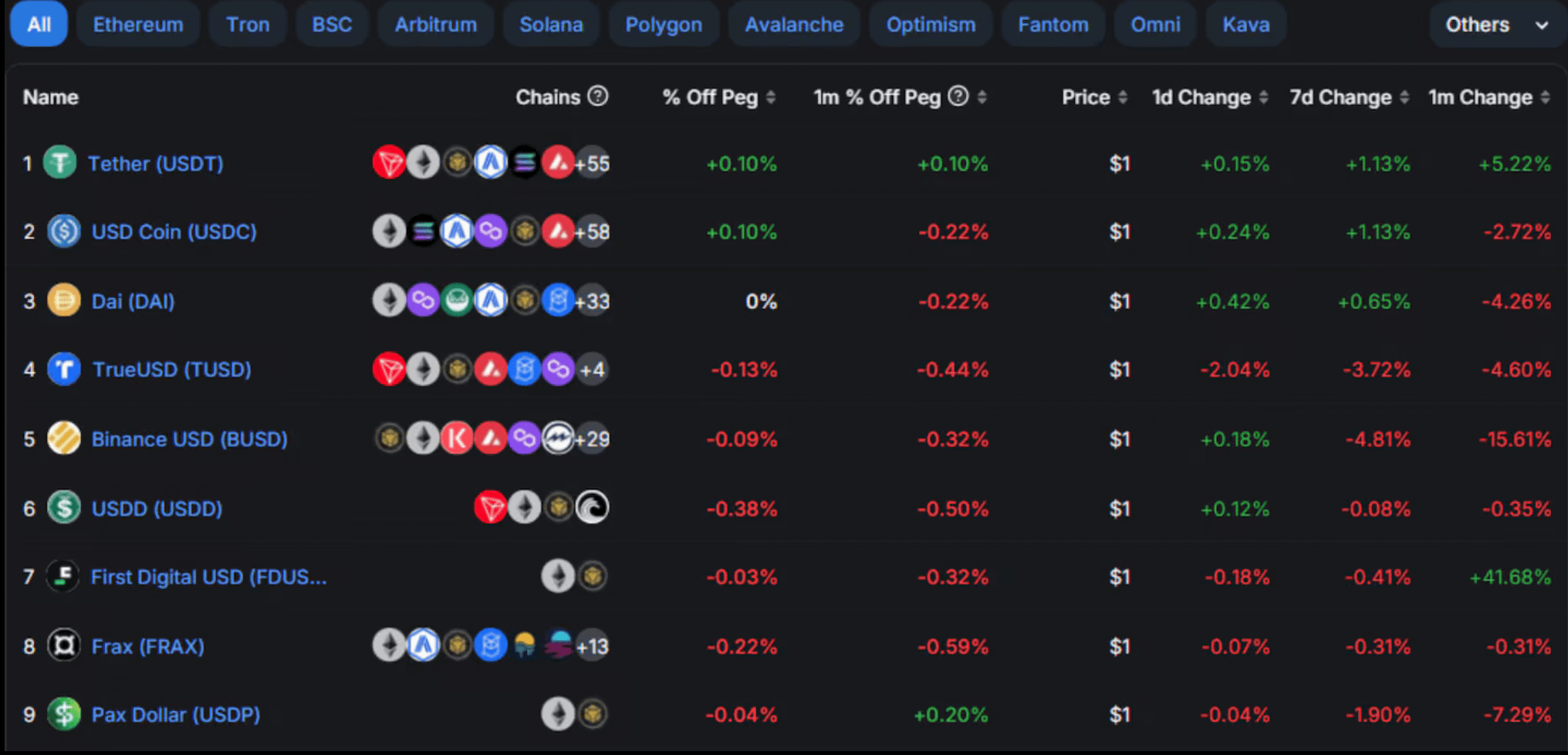
A professional view of stablecoins also needs to acknowledge concentration risk. Reuters recently highlighted concerns around the scale and systemic importance of major stablecoin issuers, especially USDT, including scrutiny around reserve quality and broader market dependence. Whether one agrees with the tone or not, the core point is valid: stablecoins have become too important to treat casually.
That is exactly why Binance’s role becomes even more critical. As stablecoins grow, users need exchanges that can handle liquidity stress, multiple stablecoin routes, and fast conversion options when market conditions change. The stronger the stablecoin market gets, the more users will care about exchange-level execution and product design—not just token branding.
This is also why the Binance stablecoin story in 2026 is not a simple “USDT vs USDC” headline. The real issue is how Binance manages a multi-stablecoin environment under changing regulation, evolving user behavior, and rising institutional standards.
Why This Matters for Traders and Investors Right Now
From a market strategy perspective, stablecoin behavior is becoming one of the most useful signals on Binance. High stablecoin balances on exchanges can indicate sidelined liquidity ready to rotate. Stablecoin dominance trends can reveal risk-off positioning. Regional stablecoin restrictions can affect pair liquidity and spread behavior. All of this now feeds directly into trading and portfolio decisions.
The more advanced takeaway is this: stablecoins are no longer a background feature of crypto markets. They are now a primary lens for understanding liquidity, compliance, and market readiness. Binance remains one of the best platforms to watch this shift in real time because it combines scale, product depth, and direct exposure to both retail and institutional flows.
Final View
The current Binance-stablecoin setup reflects where crypto is heading next: a market that still moves fast, but increasingly runs on regulated, dollar-linked rails. Stablecoins are becoming the liquidity engine, and Binance is one of the main control centers for that engine.
For traders, this means stablecoin analysis is now part of market analysis. For investors, it means infrastructure and compliance are becoming just as important as price action. And for the industry, it means the next phase of competition will be won by platforms that can combine liquidity, regulation, and usability at scale.
That is exactly why Binance and stablecoins are such an important theme in 2026—not as hype, but as core market structure.