
Introduction
Decentralized finance was supposed to remove barriers. Instead, it created new ones. Liquidity is scattered across chains like Ethereum, Solana, Avalanche, Polygon, and others. Each ecosystem has its own wallets, bridges, fee models, and execution quirks. For active traders, this fragmentation is not just inconvenient, it is expensive.
When I first came across Fogo, the marketing narrative focused heavily on performance. Faster blocks. Lower latency. High throughput. But speed alone does not fix the deeper structural issue in DeFi: disconnected liquidity and isolated applications. Over time, it became clear that Fogo’s larger ambition is not merely optimizing execution on a single chain. The real objective is more ambitious, creating a unified, trader-focused environment where assets, data, and strategies can move seamlessly across networks.
Fogo is positioning itself not as another siloed Layer-1, but as infrastructure for a multi-chain financial system.
Why Cross-Chain Infrastructure Is Critical
Liquidity is the lifeblood of trading. Yet in DeFi, liquidity is fragmented by design. Capital sits on different chains that do not natively communicate. Moving funds between them often requires:
Bridging assets
Wrapping tokens
Signing multiple transactions
Waiting for confirmations
Trusting external relayers
Every additional step increases cost, time, and risk. In volatile markets, minutes matter. Traders looking to hedge a position on one chain while deploying capital on another often miss opportunities simply because capital cannot move quickly enough.
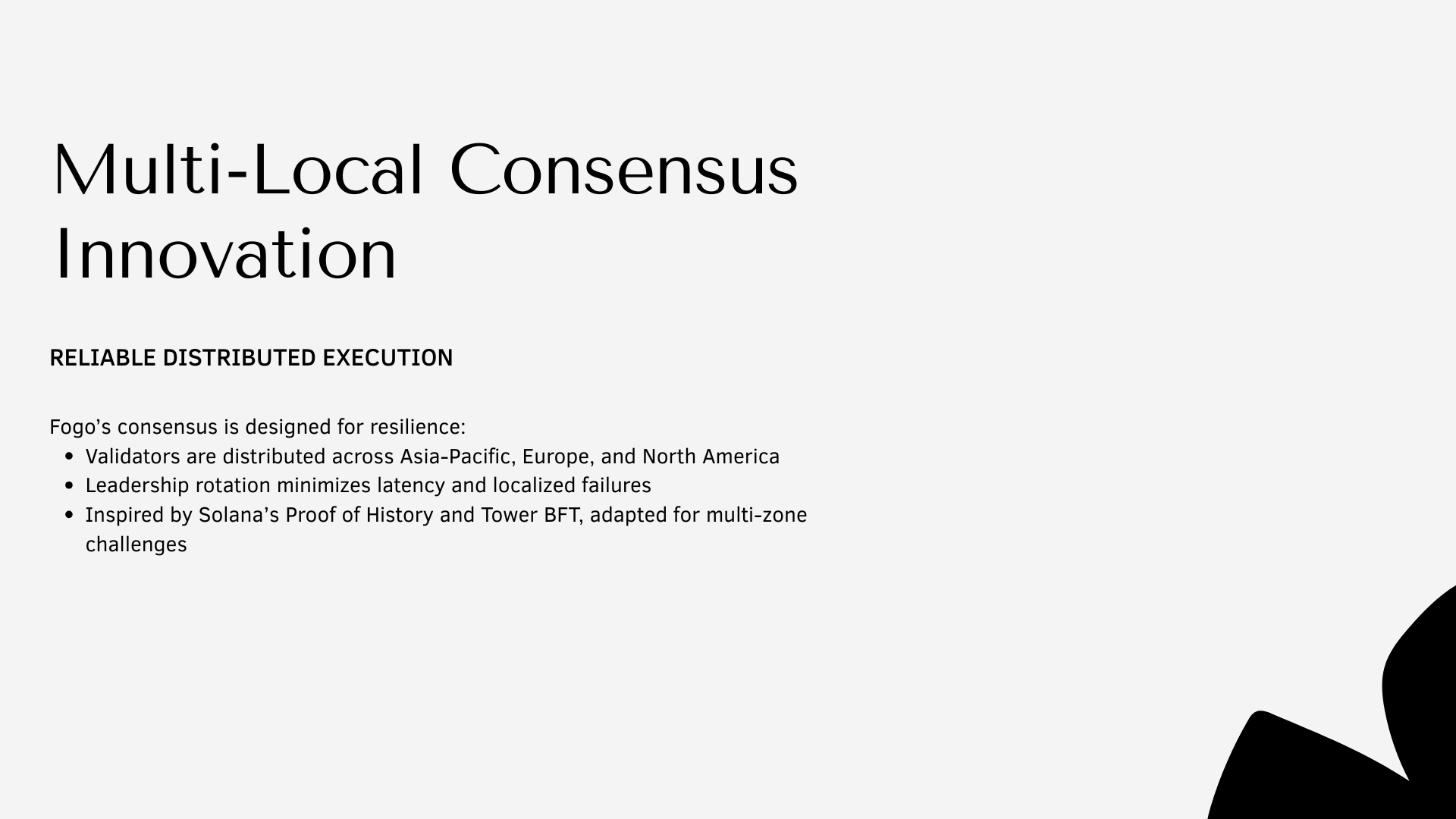
A trader-centric chain must reduce this friction. Instead of competing in isolation, Fogo integrates cross-chain communication at the infrastructure level. Its philosophy is simple: blockchains should function as interconnected zones within one global market, not as walled gardens.
Wormhole: The Interoperability Layer
At the core of Fogo’s cross-chain architecture is Wormhole, a widely used interoperability protocol that enables messaging and asset transfers between networks.
Rather than building a proprietary bridge from scratch, Fogo leverages a system that has already processed substantial cross-chain volume. This reflects a pragmatic design choice, prioritize tested infrastructure over reinventing critical components.
Native Token Transfers (NTT)
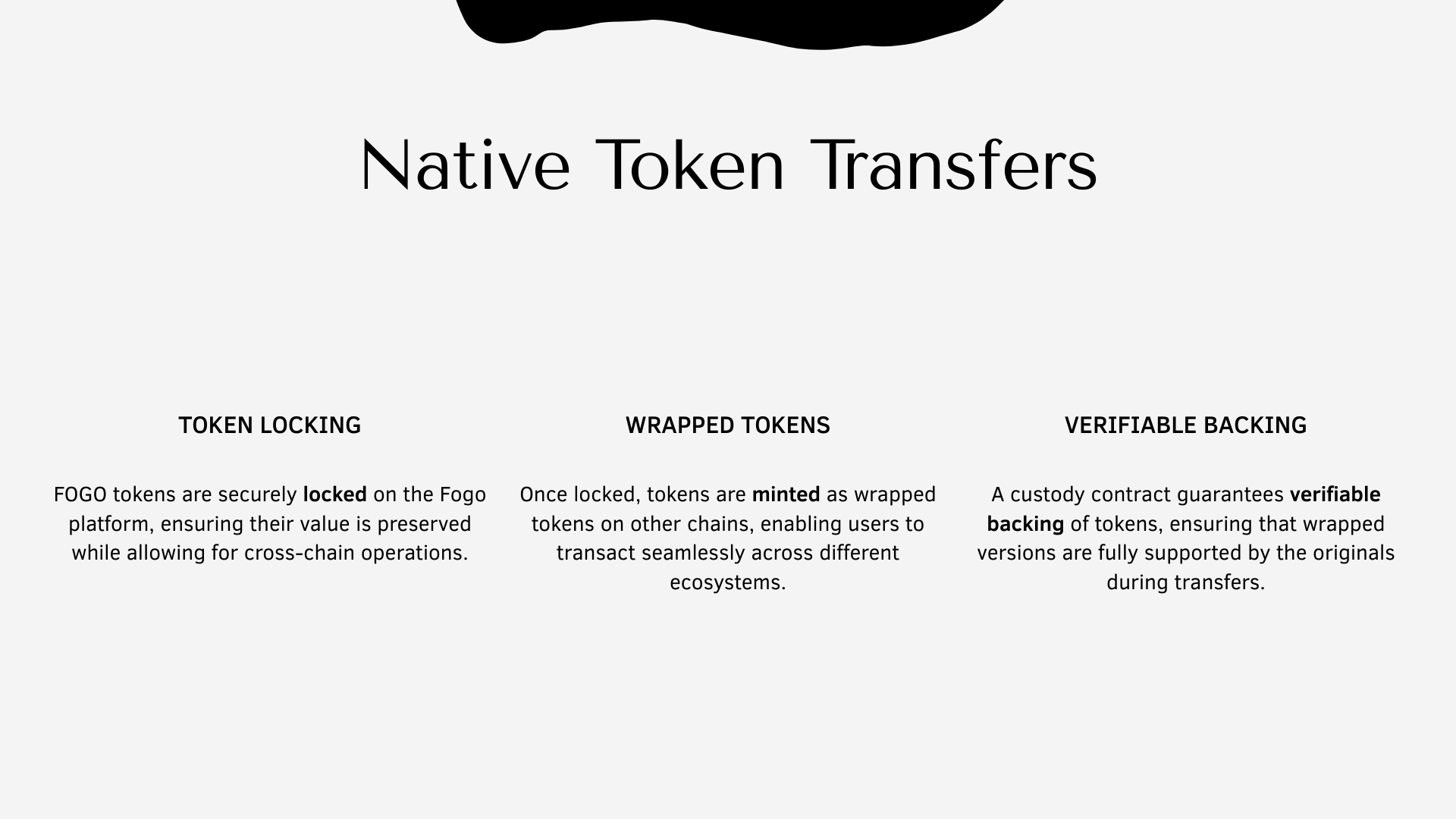
Through Native Token Transfers, FOGO tokens can be locked on Fogo and minted in wrapped form on another chain. When users return them, the wrapped tokens are burned and the original tokens are released.
The custody contract manages the locked assets, maintaining verifiable backing. This allows FOGO to circulate across ecosystems without permanently fragmenting supply.
Connect Aggregator
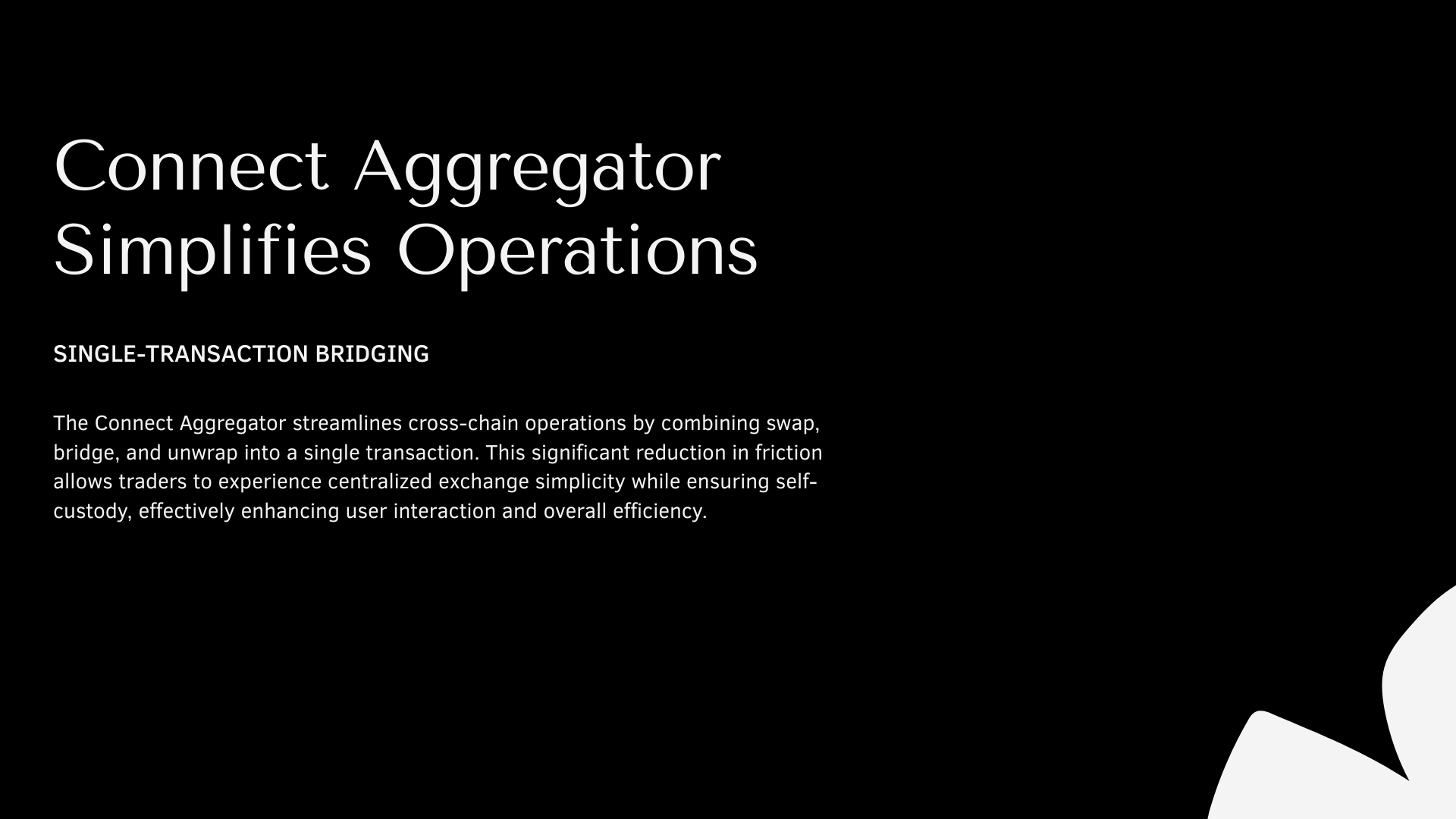
Wormhole’s Connect functionality simplifies complex bridging flows into a single transaction. A trader can:
Swap FOGO for USDC on Fogo
Bridge the USDC to Ethereum
Unwrap it if necessary
All within one streamlined interaction.
For users accustomed to centralized exchange simplicity, this dramatically reduces friction while preserving self-custody.
Cross-Chain Messaging and Queries
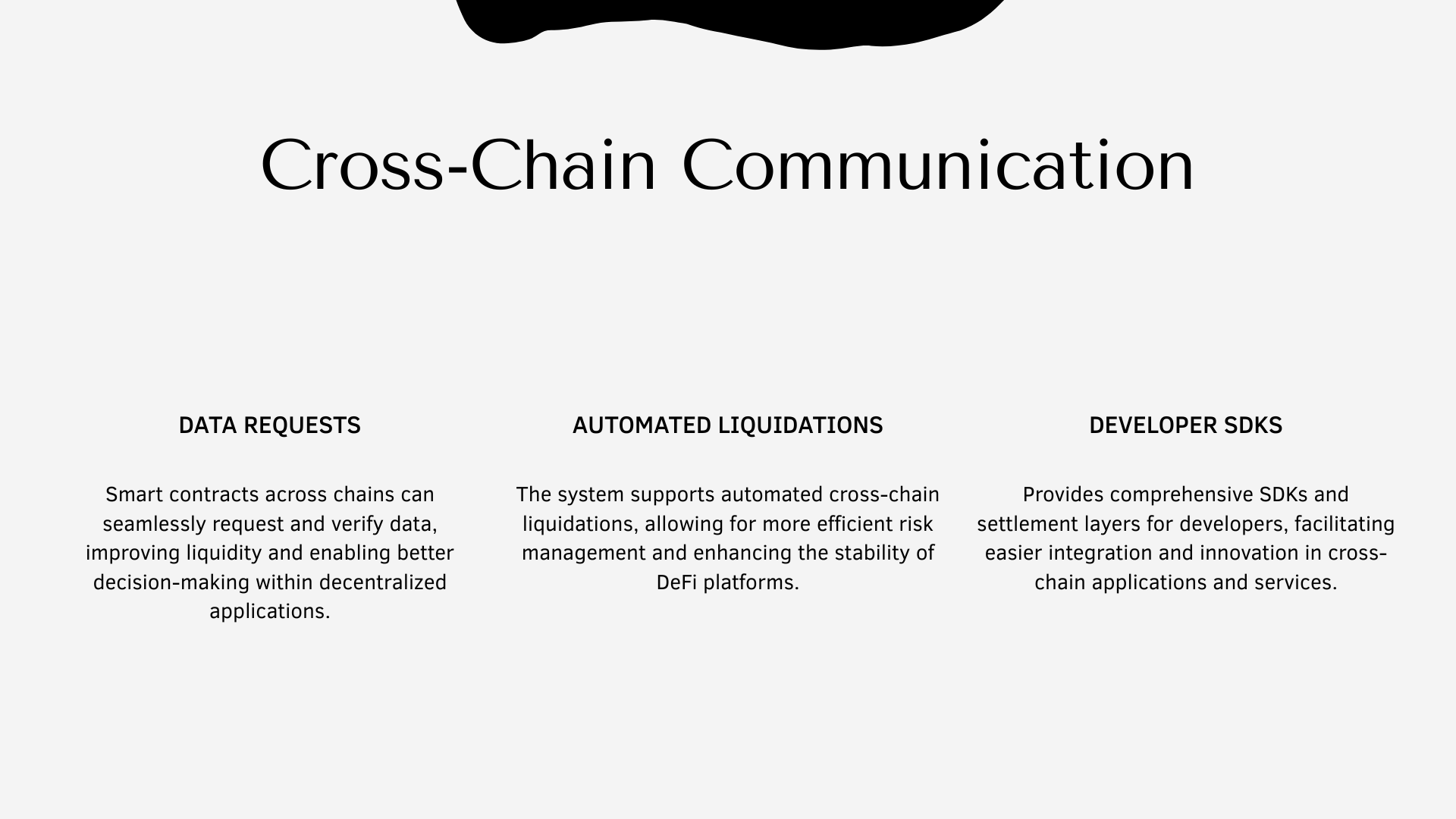
Beyond token transfers, Wormhole enables contract-to-contract communication across chains. This means:
Smart contracts on Fogo can request data from Ethereum
Lending protocols can verify collateral on another chain
Cross-chain liquidations can be triggered automatically
Imagine a position opened on Fogo being validated by an Ethereum lending market before credit is issued. These interactions become programmatic rather than manual.
For builders, Wormhole also provides settlement layers and developer SDKs, making cross-chain integration more accessible. If Fogo wants arbitrage desks, trading bots, and front-end teams to build within its ecosystem, the tooling must be straightforward — and this infrastructure supports that goal.
Beyond Transfers: True Multi-Chain Composability
Moving tokens is only the first layer. The real transformation happens when contracts across networks can coordinate actions dynamically.
With messaging capabilities, new financial structures become possible:
Cross-Chain Insurance
An insurance protocol on Avalanche could protect leveraged positions on Fogo. If collateral falls below a threshold, automated responses could be triggered across chains.
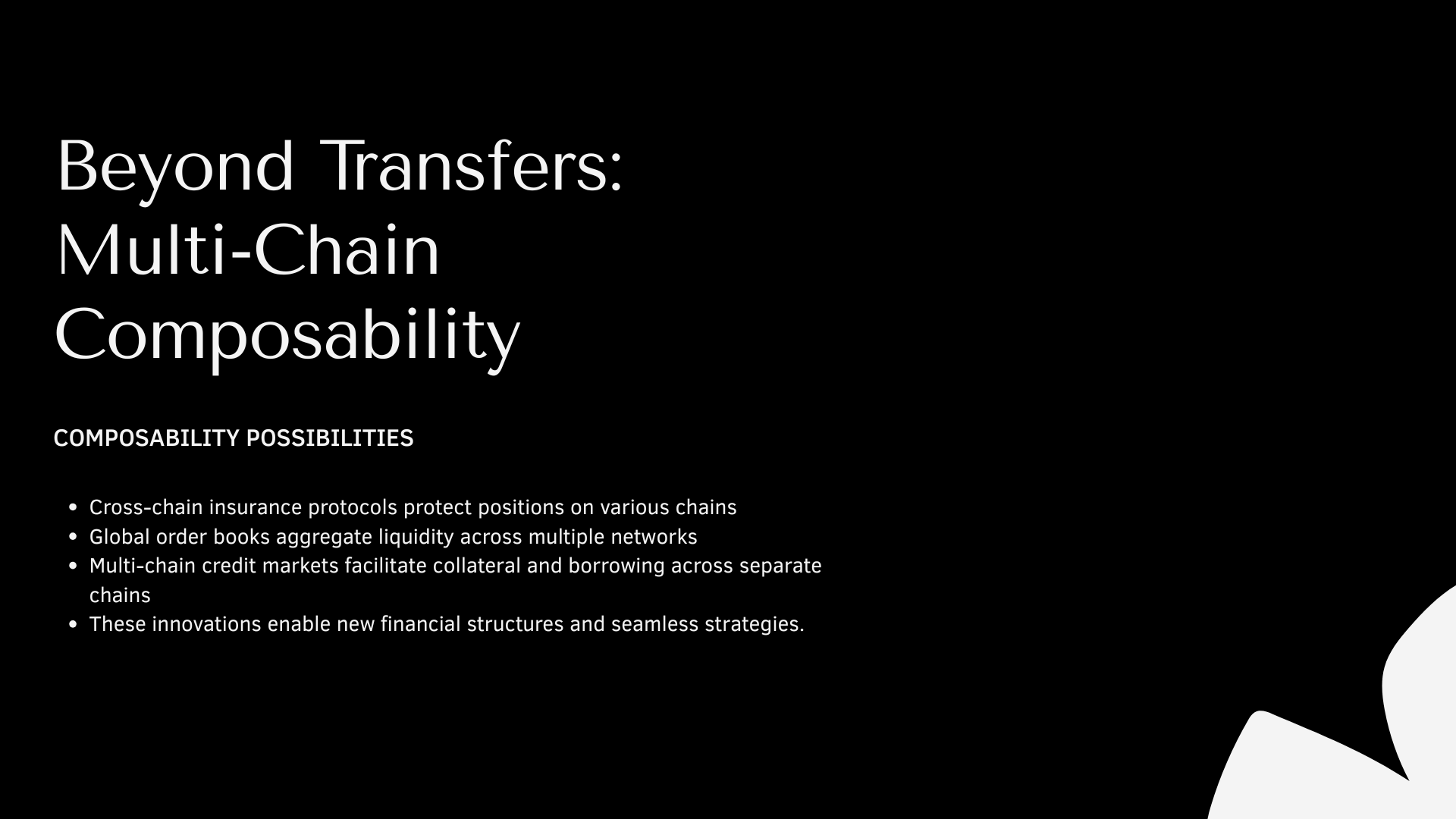
Global Order Books
A decentralized exchange could aggregate liquidity from both Fogo and Ethereum, matching orders wherever pricing is most favorable while settling across networks in the background.
Multi-Chain Credit Markets
A borrower might deposit collateral on Polygon and borrow on Fogo. Real-time price feeds and cross-chain triggers could enforce margin rules globally.
These ideas are no longer theoretical. At Fogo Fest 2025, discussions centered around interoperable finance, stateless applications, and execution beyond a single chain boundary.
Projects such as DoubleZero spoke about parallel open internet systems. Pyth Network demonstrated high-frequency oracle feeds that could integrate directly with Fogo. Meanwhile, Meso highlighted simplified fiat-to-crypto on-ramps.
All of these initiatives share one common requirement: reliable cross-chain coordination.
Reliability Through Multi-Local Consensus
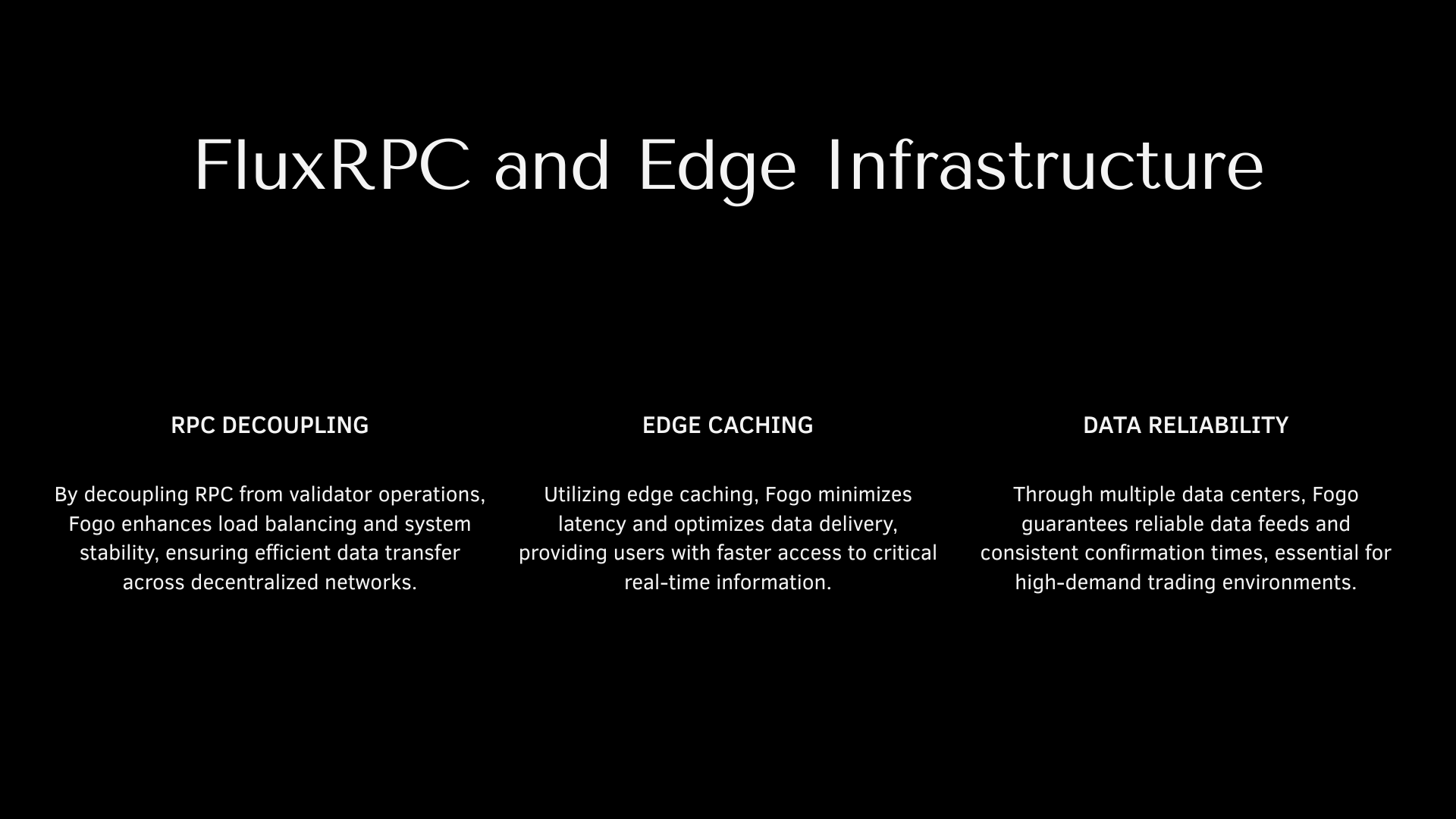
Interoperability is meaningless without execution stability. Fogo’s architecture adapts ideas from Solana, including Proof of History and Tower BFT, but introduces a distinctive feature: multi-local consensus.
Validators are geographically distributed across regions such as:
Asia-Pacific
Europe
North America
Leadership rotates across zones at scheduled intervals. This design aims to:
Reduce latency by operating closer to active markets
Prevent localized outages from disrupting the entire network
Maintain continuous global performance
However, such architecture introduces complexity. Early test phases revealed challenges during zone transitions, including temporary instability. Improvements to RPC routing and edge caching were required to maintain seamless connectivity.
These growing pains highlight the technical ambition of the design, but also demonstrate iterative refinement rather than avoidance of challenges.
FluxRPC and Edge Infrastructure
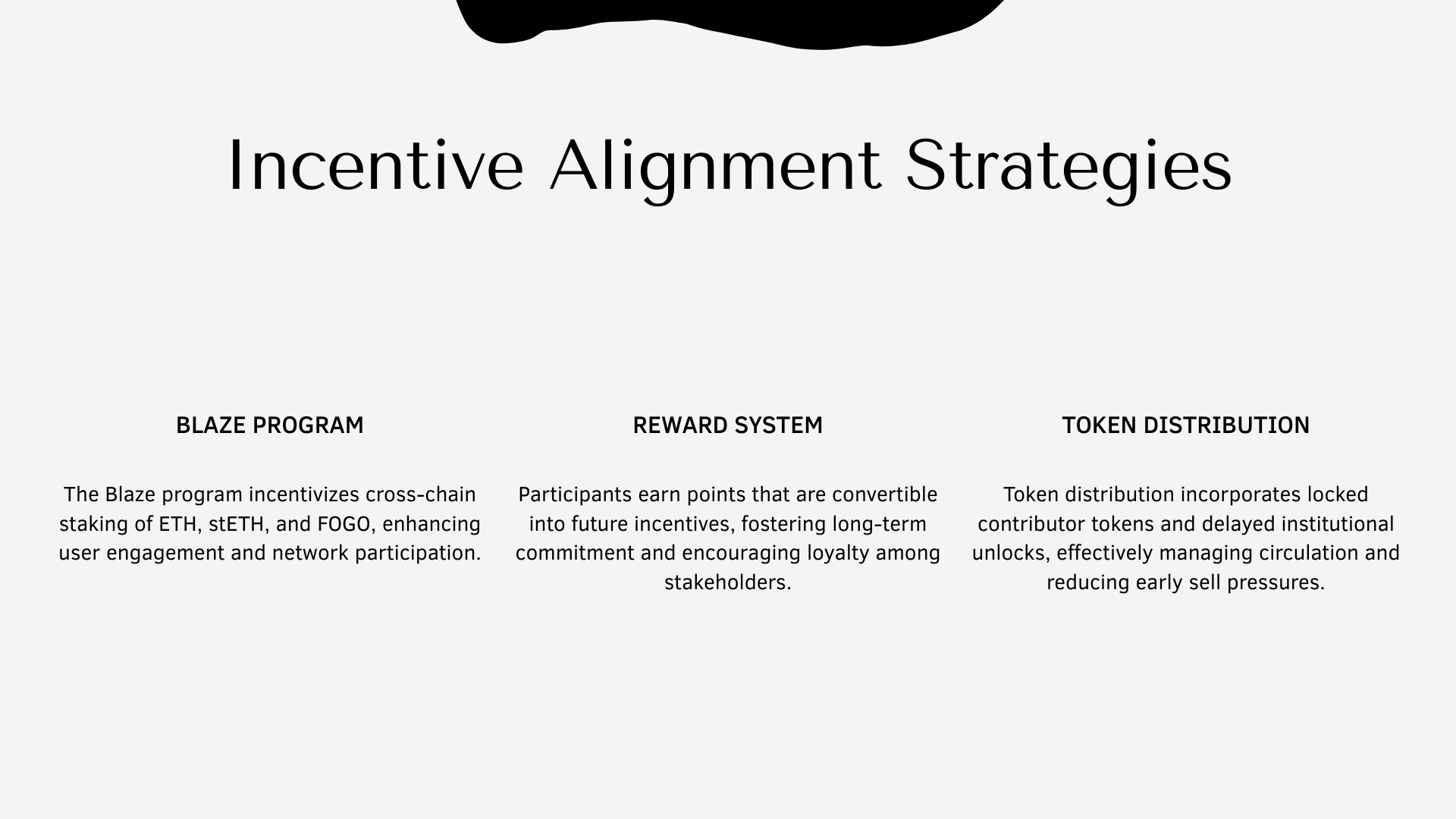
Fogo separates RPC infrastructure from validator operations through its FluxRPC layer. This approach:
Shields validators from direct overload
Uses load balancing across data centers
Streams blockchain state efficiently
For traders and algorithmic systems, reliable data feeds and predictable confirmation times are just as important as raw throughput. By isolating RPC services and implementing edge caching, Fogo strengthens its operational resilience.
Combined with cross-chain messaging, this suggests a platform engineered for real-world trading conditions rather than purely theoretical benchmarks.
Incentive Alignment Across Ecosystems
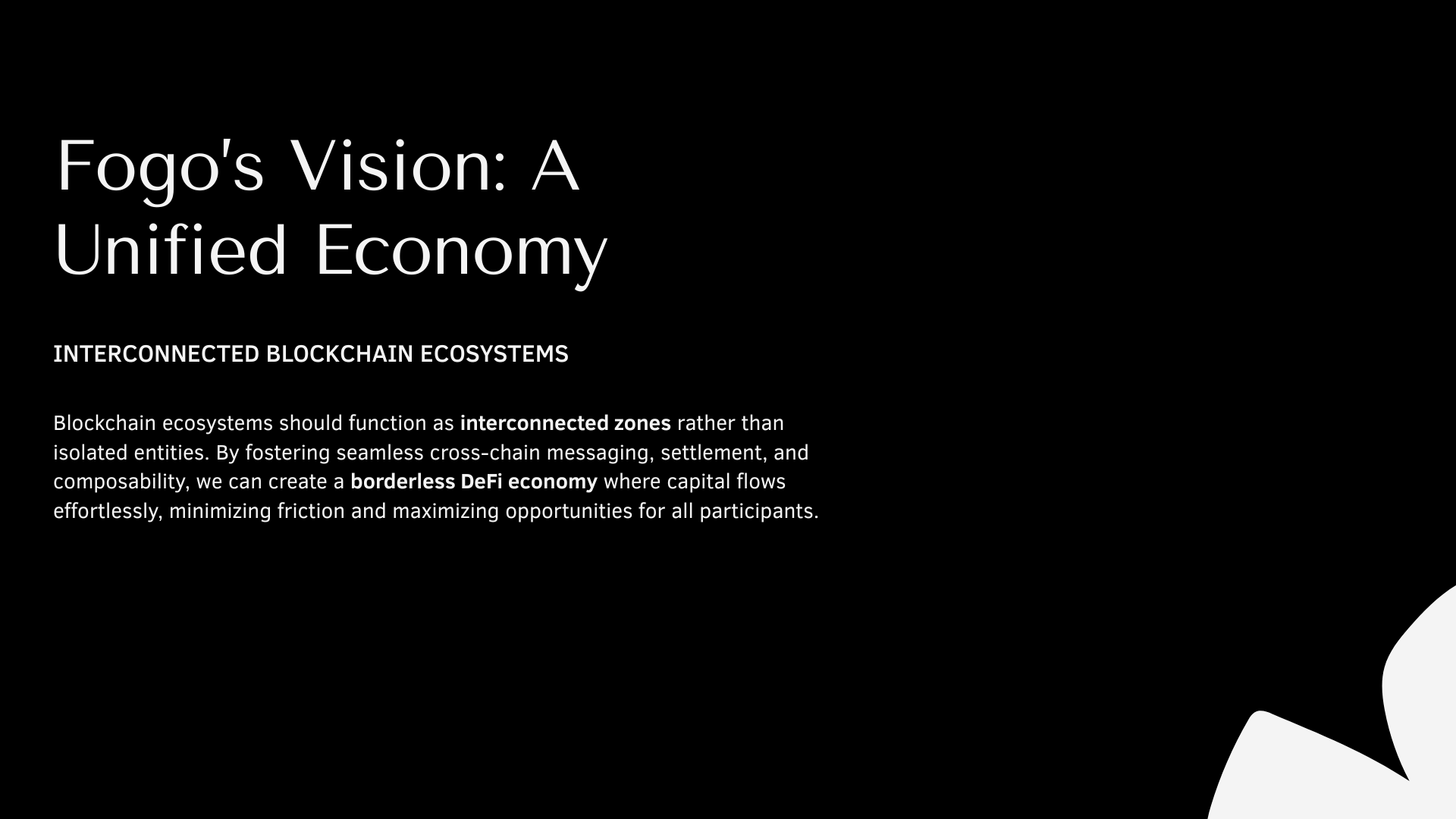
Liquidity does not move without incentives. Fogo’s Blaze program encourages cross-chain staking of ETH, stETH, and FOGO across supported networks. Participants earn points that may convert into future rewards.
The initiative is promoted through Wormhole’s Portal Earn interface, attracting capital inflows from multiple ecosystems.
Token distribution also emphasizes long-term alignment:
Core contributor tokens are locked with extended cliffs
Institutional allocations unlock later
A significant portion of supply remains initially restricted
By limiting early circulating supply, Fogo reduces immediate sell pressure during high-attention phases.
Conclusion: One Economy, Many Chains
What makes Fogo compelling is not its transaction speed alone. It is the underlying assumption that blockchain ecosystems should function as components of a unified financial layer.
By integrating Wormhole messaging, cross-chain settlement, regionally optimized consensus, and structured incentives, Fogo is attempting to reduce the boundaries that divide decentralized markets.
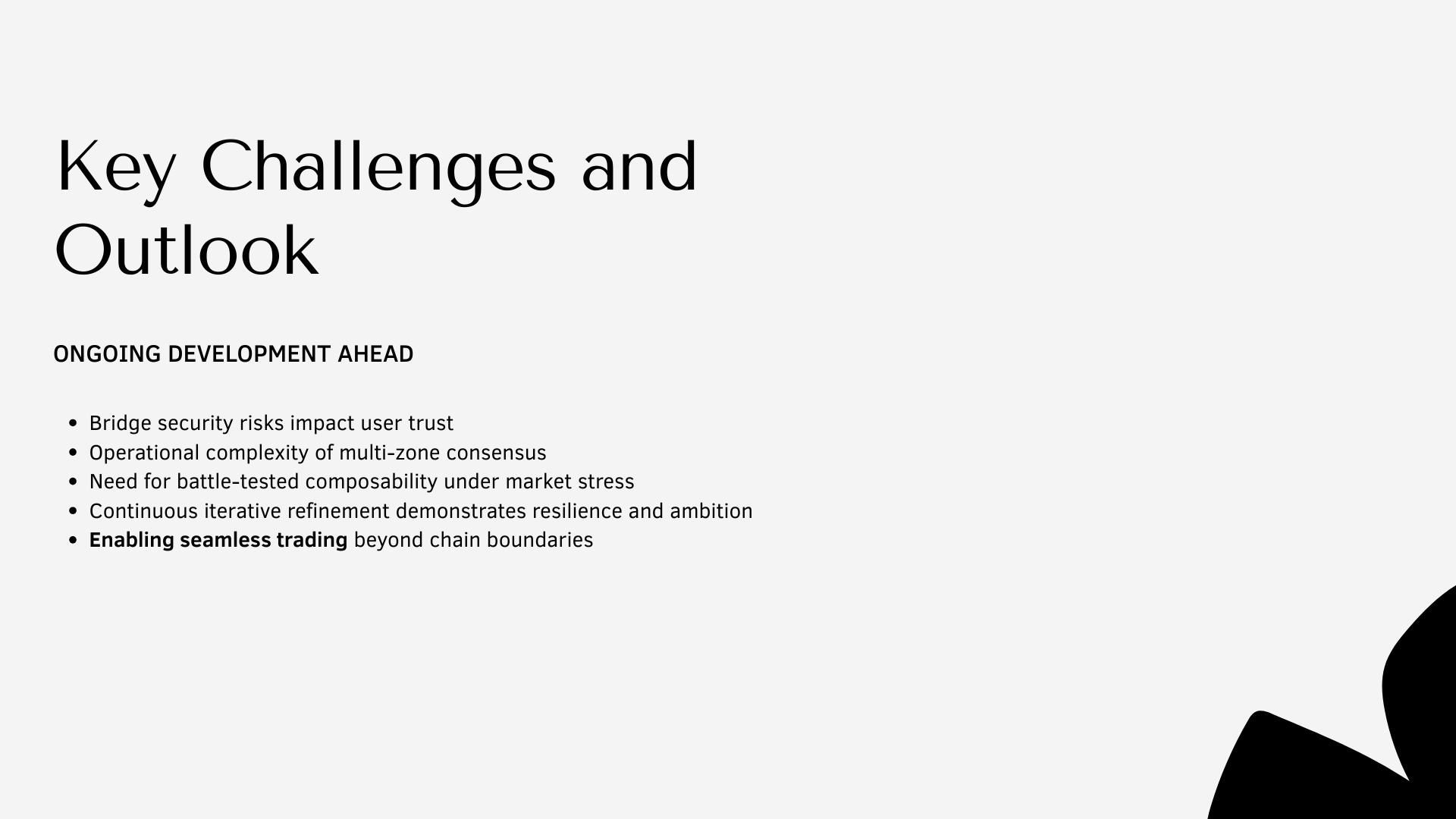
Challenges remain. Bridge security is always a risk vector. Multi-zone consensus adds operational complexity. Cross-chain composability must be battle-tested under real market stress.
Yet the direction is clear: a trading environment where capital location does not determine opportunity.
In a market saturated with performance claims, Fogo’s cross-chain thesis stands out for its scope. It is not presenting itself as another isolated chain competing for attention. It is positioning itself as connective infrastructure for a borderless DeFi economy, one where traders operate across ecosystems as seamlessly as sending a message.
