That is usually how these nights begin. Not with a dramatic outage. Not with a chain freezing in public. It starts with a small question in a tired room, under bad lights, with too much coffee and not enough sleep. Someone asks which wallet signed. Someone says they are checking. Someone else stops talking.
The blocks are coming in. The auction ran. The logic did what it was supposed to do. On paper, the system worked.
But the wrong level of authority was used to get something done, and everyone in the room feels the same thing at once: this was never only about throughput.
People talk about TPS and latency like those numbers alone decide whether something is real. They matter. Of course they matter. If you want onchain batch auctions to work, the chain has to be fast enough and stable enough that users are not punished by timing noise. Nobody serious argues otherwise.
But in real operations, the first crack is usually somewhere less glamorous. Permissions. Key exposure. A rushed approval from the wrong machine. A temporary shortcut that quietly becomes the normal path because deadlines keep arriving and nobody has time to redesign the workflow. That is where the damage starts. Not always in the block time. Often in the human time.
That is why Fogo gets more interesting when you stop looking at it as a speed story and start looking at it as an operations story.
Yes, Fogo is an SVM-based high-performance L1 with Firedancer roots. That matters. It means the performance side is not just wishful thinking. It means there is real execution headroom for demanding use cases, including things like onchain batch auctions where timing and responsiveness actually affect outcomes.
But speed alone does not make a system safe to use. It just makes consequences arrive faster if the permission model is weak.
That is the part people are finally starting to admit.
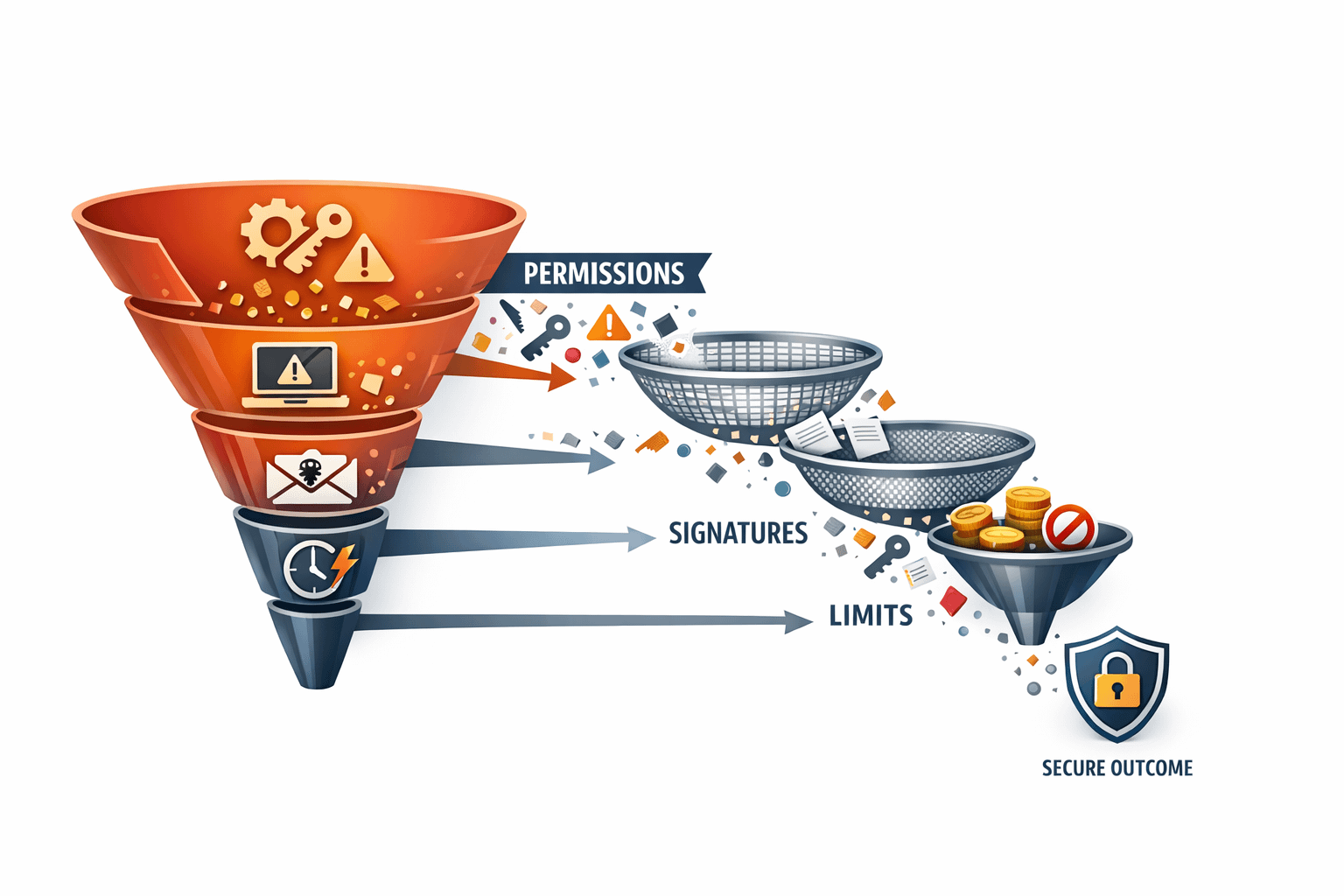
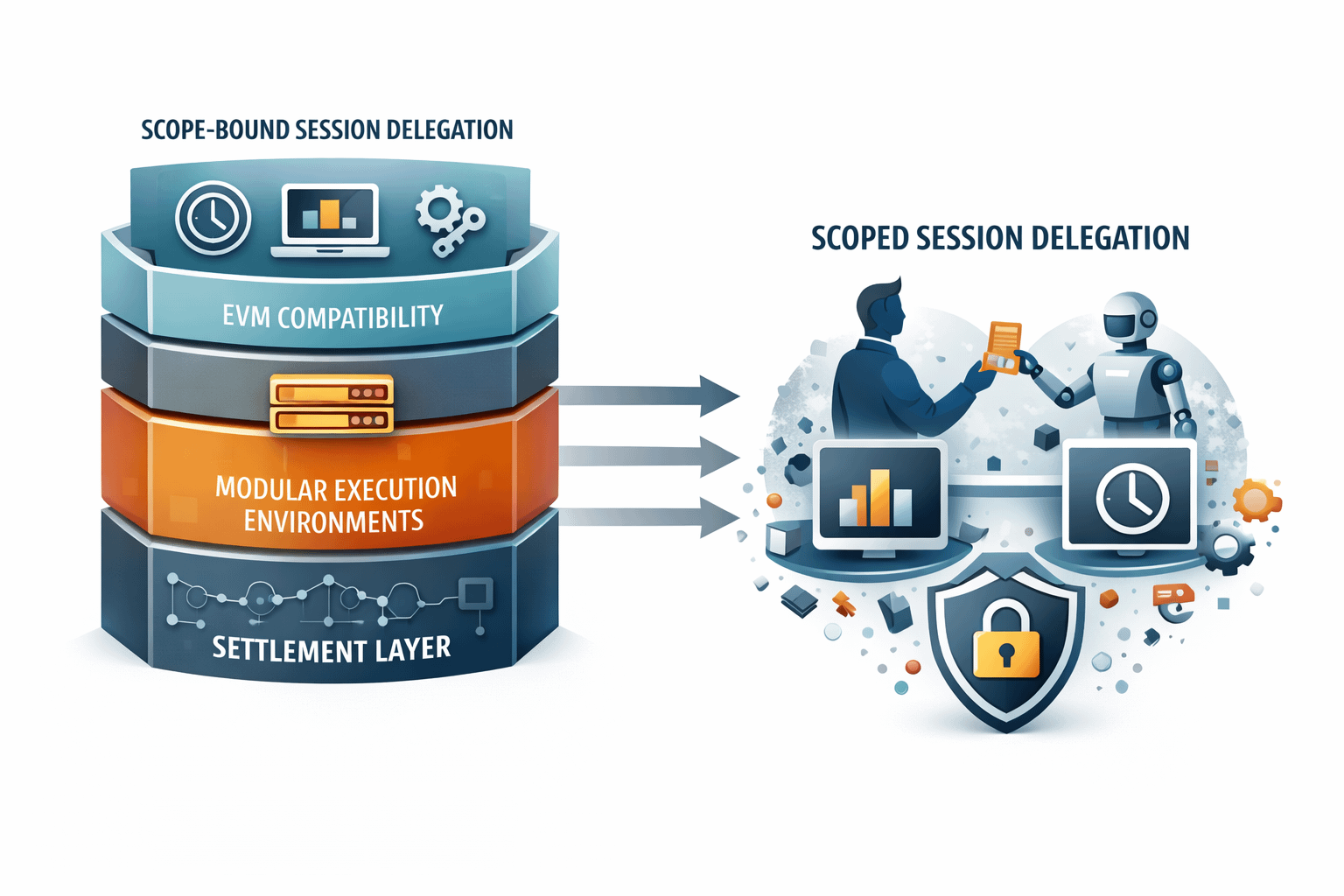
What feels genuinely useful here is the guardrail mindset, especially with Fogo Sessions. In plain English, this is about letting users delegate without handing over the keys to the whole house. A session should feel like a visitor badge, not a master key. It should be limited. Time-bound. Scope-bound. It should let an app or service do a specific job for a specific period, and nothing more. Then it expires.
That sounds simple, but it changes a lot.
Because the real UX problem is not just that signing is annoying. The real problem is that onchain UX often asks people to make oversized trust decisions while they are distracted, tired, or in a hurry. In those moments, people do what people always do. They choose the path that gets the task done. They approve more than they meant to. They tell themselves they will clean it up later.
Later is where incidents come from.
Scoped delegation + fewer signatures is the next wave of on-chain UX.
That is not a slogan to make interfaces feel modern. It is a practical response to how humans actually behave. Fewer signatures means fewer chances to approve the wrong thing from the wrong device at the wrong time. Scoped delegation means that when something goes wrong, it stays smaller. The app hits a limit. The session expires. The system says no. The mistake does not automatically become a disaster.
That is what mature infrastructure looks like. Not trustless fantasy. Controlled damage.
The architecture story also makes more sense when you describe it in human terms instead of protocol terms. Modular execution environments above a conservative, boring settlement layer is the right instinct. Let different execution surfaces handle different workloads. Let the base layer stay plain, predictable, and hard to surprise. “Boring” is a compliment here. Boring is what you want when the room is tense and legal is asking for a timeline and ops is trying to reconstruct exactly what happened.
Even EVM compatibility fits into this in a very practical way. It is not a vanity feature. It reduces friction. Teams already know the tools. Developers already have Solidity muscle memory. Auditors already know a lot of the failure patterns. That does not solve everything, but it lowers the odds of silly mistakes and expensive reinvention. In production, that matters more than people like to admit.
The token side should also be spoken about plainly. The native token exists as security fuel. That is the job. Staking is responsibility and skin in the game, not a personality trait. Long-horizon emissions, handled seriously, signal patience. They suggest the system is being built with a longer memory than one market cycle.
None of this makes the hard parts disappear.
Bridges and migrations are still chokepoints. They are where clean architecture runs into messy reality: handoffs, assumptions, runbooks, audit gaps, timing mistakes, people trying to do careful work in a hurry. This is where fragile operations show up. This is where human error matters most. This is where teams learn, sometimes painfully, that a secure design on paper can still break in practice if authority is too broad or process is too loose.
Trust doesn’t degrade politely—it snaps.
That is why the practical viability of onchain batch auctions is no longer just a performance question. The deeper question is whether the system can move fast without pushing users and operators into unsafe behavior. Can it reduce signatures without expanding risk? Can it support automation without quietly encouraging key exposure? Can it enforce limits at the network level so people do not have to rely on memory, discipline, and good intentions at 2 a.m.?
Those are real questions. Adult questions. The kind that show up in postmortems, not launch threads.
And honestly, that is what makes Fogo worth paying attention to in a calm, non-hyped way. Not because it is fast in isolation, but because it points toward a better tradeoff: high performance with boundaries. Speed with guardrails. Systems that let people do more without asking them to trust too much.
In the end, the strongest argument is not that a fast ledger can do more. It is that a fast ledger can refuse more, precisely, at the right moments. That is not anti-user. That is how you protect users from predictable failure, including their own tired decisions. A fast ledger that can say “no” at the right moments isn’t limiting freedom; it’s preventing predictable failure.