
I was at a family gathering the other day, everyone glued to their phones, scrolling through feeds and reacting in real time to some viral video. It struck me how seamless it all feels, but behind the scenes, a handful of servers in data centers make it happen—centralized, efficient, but vulnerable to one company's whims. No one questions it because it just works. That lingered in my mind as I sat down later that evening.
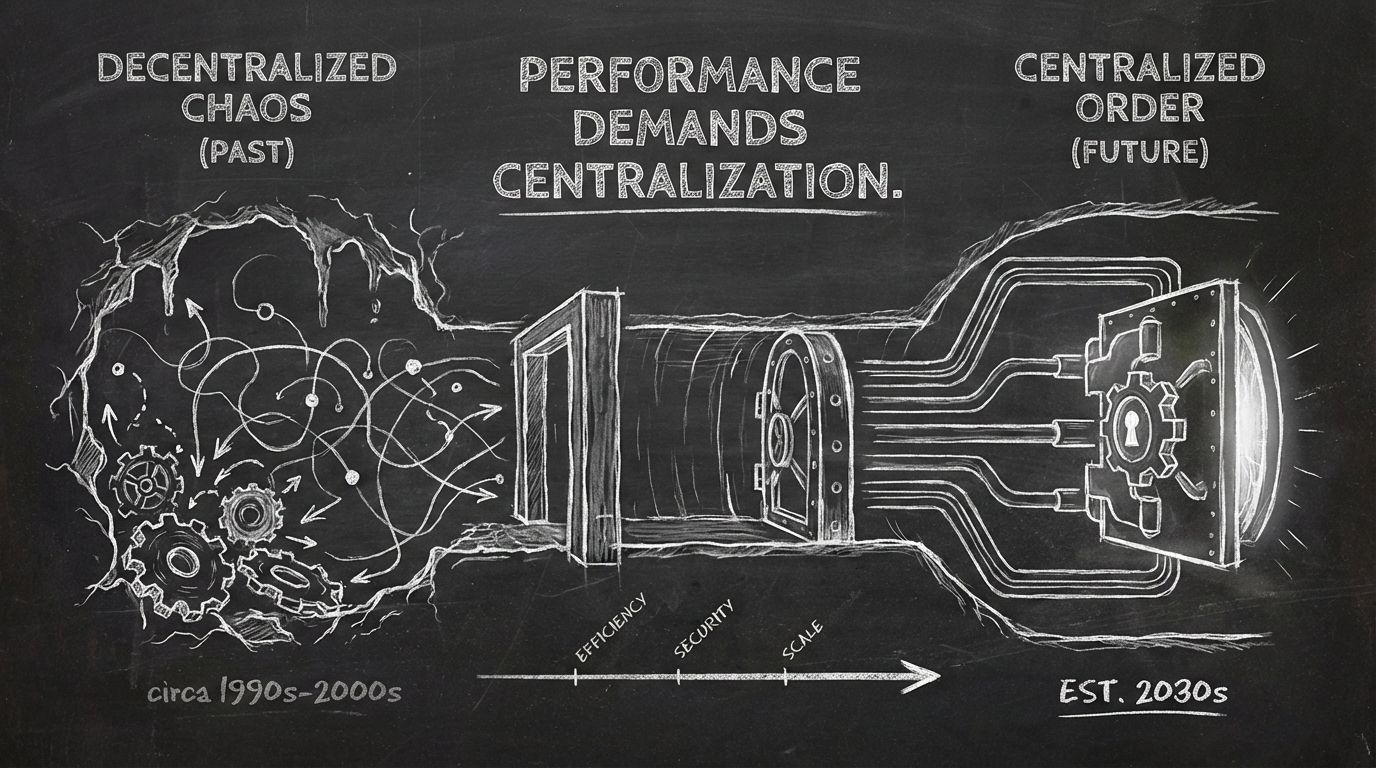
I had this Creatorpad campaign task staring at me: exploring decentralized social media platforms powered by Fogo. Curious, I opened up fogo.io and started poking around their ecosystem section. It talks about real-time Web3 apps like live media and streaming, which could theoretically extend to social platforms with instant posts and interactions. But then I scrolled to the part about their consensus mechanism—"Consensus operates in Tokyo, keeping validation close to the market for lower latency, tighter coordination, and real-time execution." That line stopped me cold. Here I was, expecting a fully distributed network for something as user-driven as social media, and instead, it's pinned to one geographic spot for speed. That's when it clicked: this isn't just a tech choice; it's a quiet admission that true decentralization often gets traded for performance.
We in crypto keep preaching that blockchains will liberate social media from big tech's grip, making it censorship-resistant and user-owned. But setups like this show how performance demands—essential for real-time chats or feeds—push projects toward centralization in disguise.
Look wider, and it's not unique. Chains boasting low-latency for apps end up with validators clustered in optimal locations, like data centers in specific regions, to minimize delays. For decentralized social, where every like or comment needs to feel instant, you can't have nodes scattered globally without lag killing the experience. So, irony: to mimic the smoothness of centralized platforms, these "decentralized" ones centralize infrastructure. It creates single points of failure—regulatory pressure in one country, or a natural disaster, could disrupt the whole network. We've seen hints in other high-throughput chains: outages from overloaded clusters, or governance skewed toward those who can afford colocated hardware. It's practical, sure, but it erodes the core promise. Users think they're joining a borderless web, but really, it's still beholden to physical realities.

Fogo fits this pattern without apology—its $FOGO token drives staking for that Tokyo-based consensus, enabling the 40ms blocks that could power streaming or live interactions. But for social media built on it, the decentralization feels more like a marketing layer than structural truth. The foundation's role in ecosystem grants adds another off-chain element, deciding which apps get boosted.
If real-time decentralized social requires geographic centralization, what's the point of calling it decentralized at all?
@Fogo Official #fogo