

Artificial Intelligence (AI) has already started transforming various industries, and one of the biggest concerns that have emerged is how it could affect high-wage jobs. High-wage jobs are typically those requiring professional expertise, specialized skills, and higher levels of education. At first glance, it seems like these types of jobs would be safe from automation, but the rapid growth of AI technology is beginning to challenge that assumption. More and more, we’re seeing AI being applied to roles that were once considered too complex or nuanced to be handled by machines.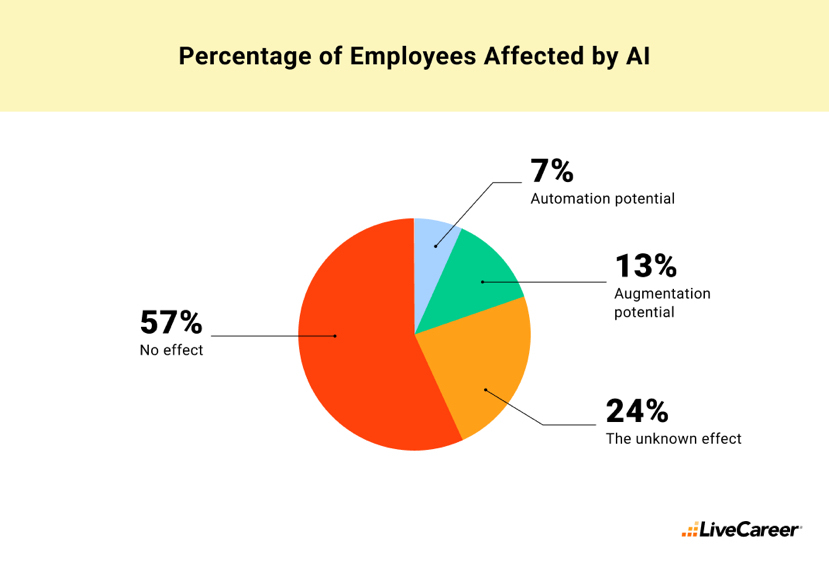
The significance of this shift is enormous. High-wage jobs play a central role in driving economic growth, maintaining societal stability, and ensuring the well-being of individuals. If these jobs are at risk of being automated, the impact could be far-reaching, not just for the workers themselves but also for the economy at large. Understanding how AI is starting to replace these jobs, and how we can address the consequences, is crucial in navigating the future of work.
At first, it might seem strange to think that high-wage jobs could be the first to be replaced by AI. After all, we usually associate automation with lower-wage, manual labor jobs. But with advancements in AI, we’re seeing machines and algorithms taking over tasks that require professional judgment, creativity, and expertise. For instance, in law, AI tools are now capable of conducting legal research, drafting documents, and even offering recommendations based on complex legal data. Similarly, AI is making its way into healthcare, with algorithms being trained to diagnose diseases, analyze medical images, and assist in patient care. These are roles that require years of training, yet AI is stepping in and performing them at a fraction of the cost and time.
The key challenge here is the displacement of workers in these high-wage sectors. Many of these jobs require specialized skills and a significant investment in education, which makes the prospect of job loss particularly painful. As AI takes over certain tasks, workers in these fields might find themselves out of work or forced to transition into entirely different roles. The problem goes deeper when you consider the skill gap that could emerge. Not every worker in these high-wage industries will be able to quickly adapt to new roles or technologies, especially if they have spent years honing a specific skill set. This could lead to a widening income inequality, where those who can adapt to new technologies thrive, while others are left behind.
Take the legal industry, for example. AI tools are already assisting lawyers with research and document drafting, tasks that once required junior lawyers or paralegals. While AI doesn’t fully replace the role of a lawyer, it can certainly reduce the demand for entry-level legal positions. The same thing is happening in the financial sector, where AI is being used for tasks like fraud detection, stock market prediction, and even automating basic accounting functions. As AI continues to improve, the need for certain high-wage positions could diminish, making it harder for individuals in these professions to maintain job security.
So, what can we do to address this issue? First and foremost, there needs to be a focus on reskilling and upskilling the workforce. Workers in high-wage jobs will need to learn how to adapt and collaborate with AI. For instance, lawyers could be trained to use AI tools to enhance their legal research, while doctors could learn to work alongside AI-powered diagnostic tools. This approach helps workers stay relevant in an evolving job market. Additionally, governments and private sectors could implement policies that encourage lifelong learning and provide funding for educational programs focused on emerging technologies.
Policy changes will also be crucial in managing the shift. Governments may need to introduce social safety nets, such as Universal Basic Income (UBI), to support displaced workers while they reskill or transition to new roles. Labor laws might also need to be updated to reflect changes in job structures, especially as more people begin to work alongside AI systems rather than replacing them entirely. In this way, we can ensure that the benefits of AI are shared equitably.
One of the most important aspects of AI in high-wage jobs is its potential to collaborate with humans rather than replace them. In industries like healthcare, AI can assist doctors with tasks like data analysis and diagnosis, but human expertise is still crucial for treatment decisions. In finance, AI can help analyze vast amounts of data quickly, but financial advisors are still needed for personalized advice and complex decision-making. This collaboration between AI and humans could lead to more efficient and effective work, where AI handles repetitive tasks, and humans focus on higher-level, creative, and strategic decisions.
To illustrate this, consider the case of the insurance industry. In the past, underwriters used their experience and judgment to assess risk and determine premiums. Now, AI can analyze a variety of data points, such as financial history, social media activity, and health records, to predict risk with greater accuracy. While this technology is a game-changer in terms of efficiency, it still requires human oversight, especially in more complicated cases. This demonstrates that while AI may take over some tasks, it can also transform jobs by enabling workers to focus on more complex or sensitive aspects of their work.
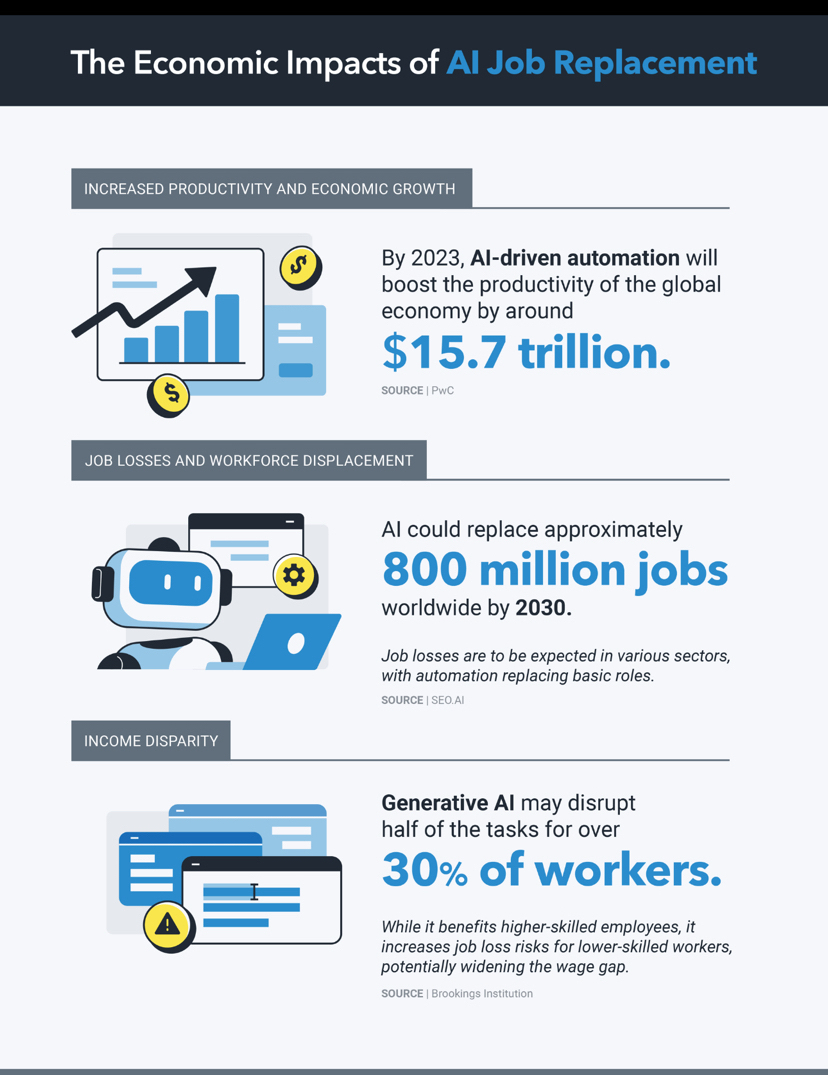
The implications of AI replacing high-wage jobs are not just economic but social as well. If we fail to address this issue, we risk exacerbating inequality and creating a divide between those who can adapt to AI and those who cannot. However, if managed well, the integration of AI into high-wage jobs could lead to greater productivity, innovation, and opportunities for societal growth. For instance, AI is already being used in environmental monitoring and sustainable agriculture, offering the potential to create jobs that contribute to a greener, more sustainable world.
Looking ahead, we can expect AI to continue evolving and becoming more integrated into various industries. New job categories may emerge as a result of this transformation. Roles like AI ethics consultants, human-AI interaction specialists, and machine learning trainers are already being created, and the demand for these positions is only expected to grow. This shift in the job market could open up new avenues for people to pursue careers in AI, technology, and data science, helping to fill the gap left by traditional roles.
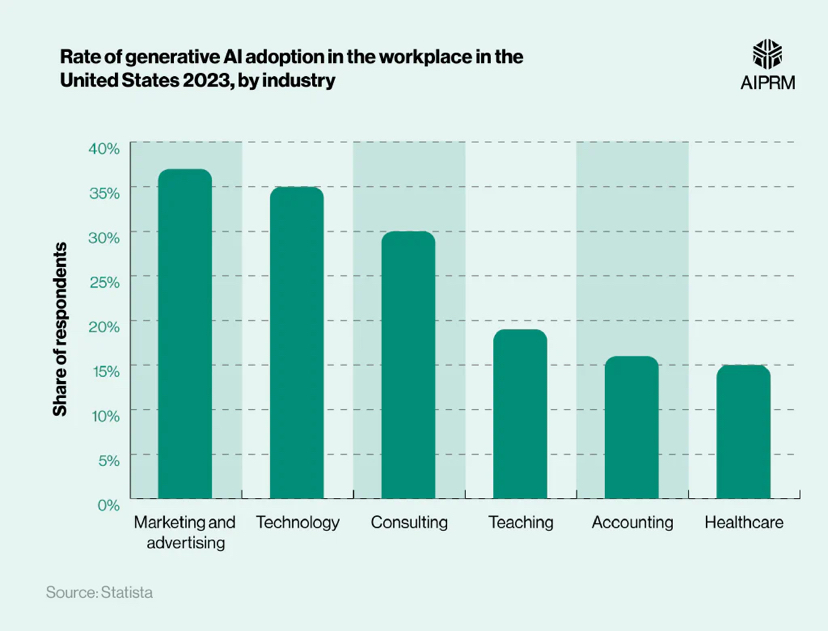
In conclusion, the replacement of high-wage jobs by AI is a complex issue with no easy answers. While AI has the potential to displace workers, it also offers opportunities for collaboration, transformation, and growth. The key to navigating this transition lies in reskilling the workforce, updating policies, and fostering collaboration between humans and AI. With the right approach, AI can become a powerful tool for enhancing human capability, rather than replacing it entirely, ensuring a more prosperous future for all.