
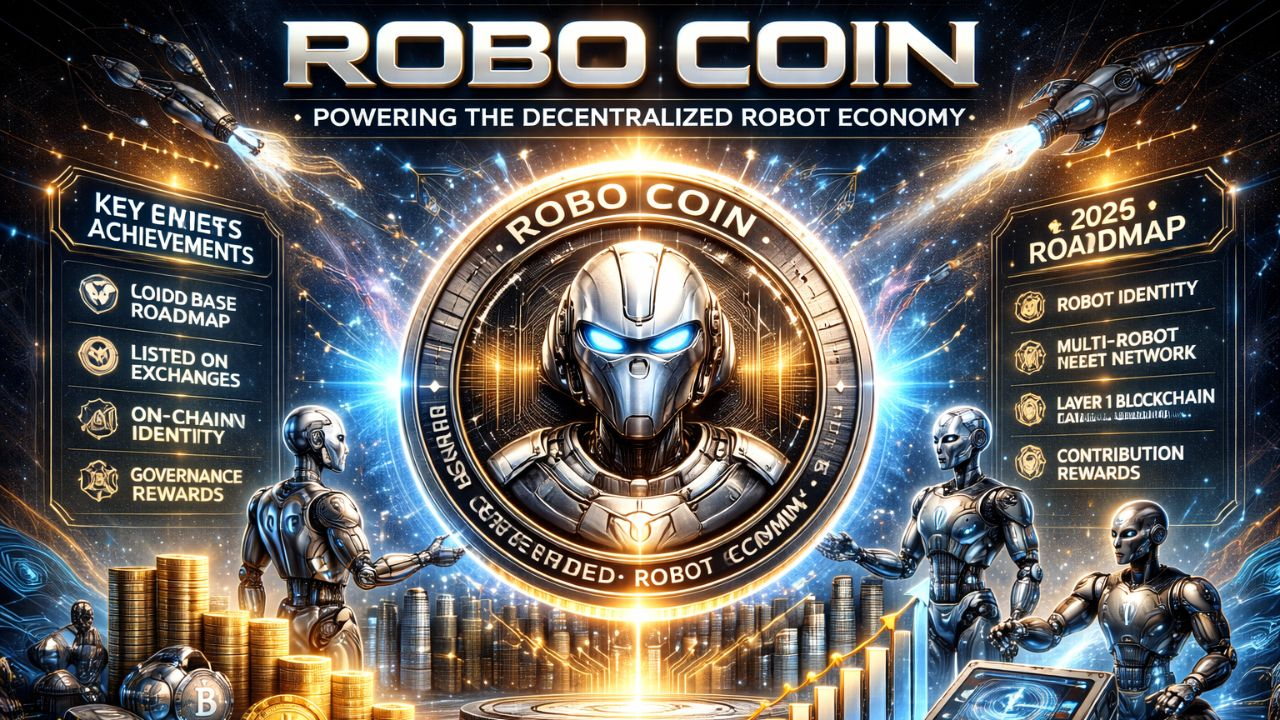

Coin (@Fabric Foundation ROBO) è un progetto di criptovaluta emergente progettato attorno a un'idea audace e lungimirante: abilitare un'economia decentralizzata in cui robot, macchine e sistemi autonomi possono interagire, transigere e coordinarsi senza controllo centralizzato. In un mercato affollato di meme coin e progetti di hype a breve termine, Robo Coin si distingue per il suo focus sull'utilità, l'infrastruttura e la rilevanza tecnologica a lungo termine, in particolare all'incrocio tra blockchain, intelligenza artificiale e robotica.
Al suo interno, Robo Coin mira a fungere da asset digitale nativo per interazioni macchina-a-macchina (M2M). Poiché la robotica e l'IA continuano a espandersi a livello globale - attraverso produzione, logistica, sanità e città intelligenti - la necessità di sistemi di pagamento e identità sicuri, trasparenti e automatizzati diventa sempre più importante. Robo Coin si posiziona come una soluzione a questa sfida offrendo identità on-chain, governance e meccanismi di incentivazione su misura per umani e macchine.
Uno dei principali risultati di Robo Coin è il suo ingresso di successo nel mercato crittografico pubblico, con quotazioni su scambi centralizzati e crescente partecipazione della comunità. Anche se in fase iniziale, questo passo dimostra che il progetto è passato oltre la teoria per entrare nell'implementazione nel mondo reale. Il progetto ha anche attirato attenzione attraverso l'inclusione in varie piattaforme di tracciamento e roadmap di quotazione, il che ha contribuito ad aumentare la visibilità e la credibilità tra i trader di criptovalute e gli investitori a lungo termine.
Dal punto di vista tecnologico, @Fabric Foundation Robo Coin introduce il concetto di identità robotiche on-chain. Ciò significa che le macchine possono avere identità digitali verificabili, consentendo loro di ricevere pagamenti, convalidare compiti e partecipare a sistemi di governance senza fare affidamento su intermediari centralizzati. Questo approccio si allinea bene con il futuro dell'automazione, dove robot e agenti AI possono operare in modo indipendente, eseguire contratti e guadagnare premi basati sulla performance e sul contributo.
La governance è un altro pilastro importante dell'ecosistema Robo Coin. Attraverso meccanismi di staking e votazione, i detentori di token possono influenzare gli aggiornamenti del protocollo, i parametri economici e la direzione dell'ecosistema. Ciò garantisce che lo sviluppo rimanga guidato dalla comunità piuttosto che controllato da un'unica autorità. Inoltre, i premi basati sui contributi mirano a incentivare sviluppatori, operatori di nodi e partecipanti che rafforzano attivamente la rete.
Guardando avanti, la roadmap di Robo Coin delinea una strategia di crescita fased e realistica. A breve termine, l'attenzione è rivolta al rafforzamento dell'infrastruttura centrale: migliorare l'utilità del token, espandere l'accesso agli scambi e affinare gli strumenti di governance. La fase successiva enfatizza il supporto per reti multi-robot, consentendo a più agenti autonomi di interagire simultaneamente all'interno dell'ecosistema. Questo è un passo critico verso la scalabilità e l'adozione nel mondo reale.
Uno degli obiettivi a lungo termine più ambiziosi di Robo Coin è lo sviluppo potenziale di una blockchain Layer-1 dedicata ottimizzata per la robotica e le transazioni delle macchine. Una tale blockchain darebbe priorità alla velocità, alle basse commissioni e ai contratti intelligenti favorevoli all'automazione, rendendola adatta per interazioni ad alta frequenza tra macchine che le blockchain tradizionali potrebbero avere difficoltà a supportare. Se eseguito con successo, questo potrebbe posizionare Robo Coin come uno strato fondamentale per il futuro dell'economia robotica.
Certo, come tutti i progetti crittografici, Robo Coin affronta delle sfide. La volatilità del mercato, l'incertezza normativa e la complessità tecnica di unire blockchain e robotica sono rischi reali. Tuttavia, il suo focus sull'utilità piuttosto che sulla pura speculazione gli conferisce una narrazione radicata in tendenze tecnologiche a lungo termine piuttosto che in un hype passeggero.
In conclusione, Robo Coin rappresenta un tentativo ponderato di prepararsi a un futuro in cui robot e agenti AI sono partecipanti economici. Sebbene sia ancora all'inizio del suo viaggio, i suoi risultati, la roadmap strutturata e la visione pratica lo rendono un progetto da tenere d'occhio per chi è interessato alla prossima evoluzione dell'utilità della blockchain.