
Quando le macchine dubitano di se stesse: Perché credo che la verifica sia il livello mancante dell'IA
Ho passato anni a osservare l'intelligenza artificiale diventare più articolata, più capace e più integrata nelle nostre vite. Ho anche visto fallire in modi che sono stranamente umani—sicuramente sbagliata, sottilmente parziale, occasionalmente distaccata dalla realtà. La contraddizione mi affascina. Abbiamo costruito sistemi che possono redigere atti legali, assistere nella diagnostica medica, scrivere codice e modellare decisioni finanziarie, eppure questi stessi sistemi possono fabbricare ci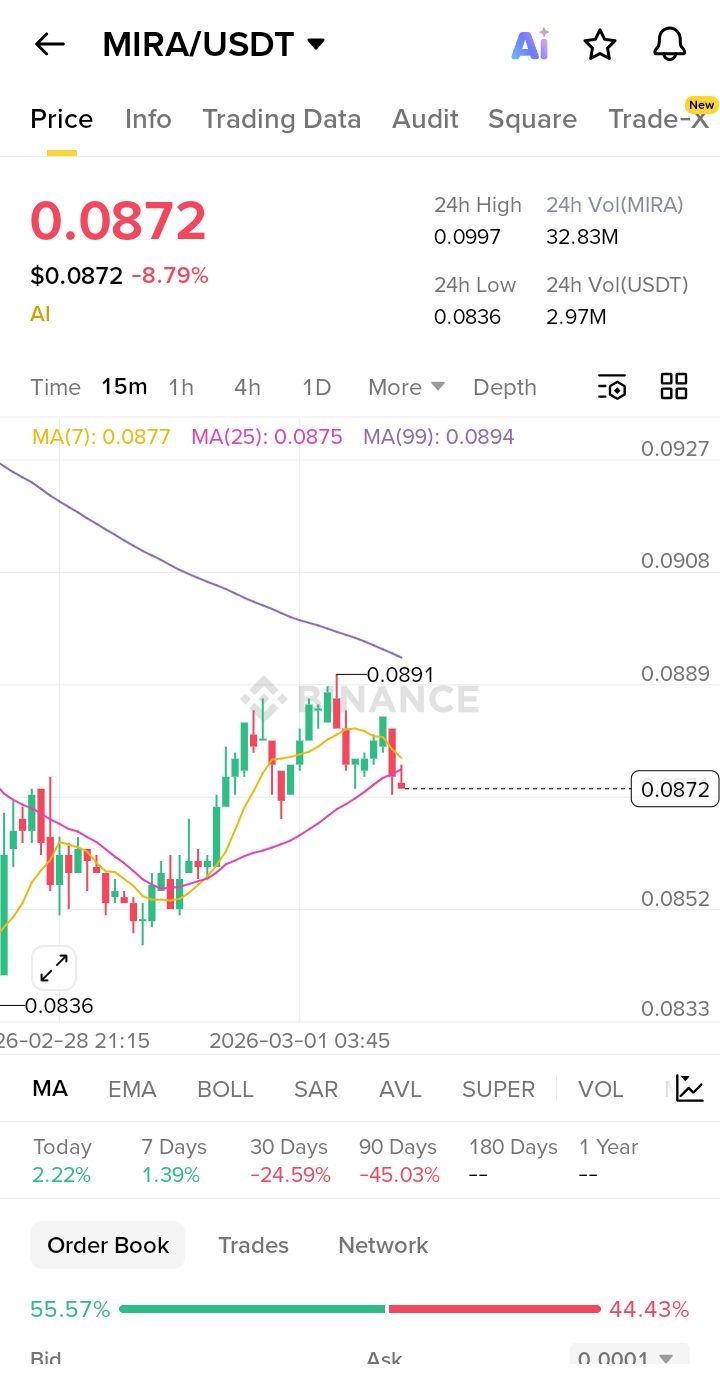 le tazioni o distorcere fatti con disarmante fluidità. Più esamino questo paradosso, più diventa chiaro per me che la sfida centrale dell'IA non è l'intelligenza. È l'affidabilità.
Ecco perché trovo la visione dietro la rete Mira così convincente. Quando ho incontrato per la prima volta l'idea di un protocollo di verifica decentralizzata per gli output dell'IA, non la vedevo come un semplice esperimento di blockchain. La vedevo come un tentativo di ridisegnare la fiducia stessa. Mira affronta gli output dell'IA non come risposte autoritative, ma come affermazioni che devono essere verificate. Invece di assumere che un modello sia corretto perché è avanzato, chiede all'output di dimostrare se stesso attraverso il consenso distribuito.
Dal mio punto di vista, questo riformula l'intera architettura dell'intelligenza artificiale. La maggior parte dei sistemi di IA oggi opera in un modello di fiducia centralizzato. Un laboratorio addestra un modello, lo testa internamente, pubblica benchmark e lo distribuisce. Gli utenti interagiscono con il sistema principalmente basandosi sulla fiducia nell'istituzione che lo supporta. L'apprendimento di rinforzo dal feedback umano e il red-teaming migliorano le prestazioni, ma rimangono processi opachi. Non posso ispezionarli. Non posso parteciparvi. Devo fidarmi di loro.
Mira propone qualcosa di diverso. Quando un'IA genera un output—ad esempio, una spiegazione medica o un'analisi dei rischi finanziari—il contenuto viene suddiviso in affermazioni più piccole e verificabili. Validator indipendenti dell'IA attraverso una rete decentralizzata valutano quelle affermazioni. Attraverso incentivi economici e coordinamento basato su blockchain, si raggiunge un accordo non per autorità ma per consenso. In altre parole, la verità diventa una proprietà emergente della verifica distribuita piuttosto che una dichiarazione di un modello centralizzato.
Vedo echi qui della filosofia blockchain precoce. Sistemi come Bitcoin hanno dimostrato che gli estranei possono concordare sullo stato di un libro mastro senza fidarsi di una banca centrale. Mira estende quella logica nell'epistemologia. Invece di verificare transazioni, verifica affermazioni di conoscenza. Invece di garantire consenso finanziario, garantisce consenso informativo.
Ma non romantizzo questo approccio. Lo metto in discussione tanto quanto lo ammiro. Il consenso non equivale automaticamente alla verità. La storia è piena di esempi in cui la maggioranza aveva torto. Se i validatori in una rete decentralizzata condividono dati di addestramento o pregiudizi simili, il loro accordo potrebbe semplicemente rafforzare punti ciechi collettivi. Mi preoccupa questo. Penso a come gli incentivi economici potrebbero distorcere la valutazione. Se le ricompense sono legate all'allineamento della maggioranza, i validatori esiteranno a dissentire anche quando hanno ragione?
Allo stesso tempo, riconosco che i sistemi centralizzati non sono immuni a pregiudizi o errori. Infatti, la loro opacità può rendere quegli errori più difficili da rilevare. Quando un singolo modello allucina, l'errore spesso passa inosservato fino a quando non causa danni. In un framework di verifica distribuita, il disaccordo diventa visibile. La divergenza non è nascosta; è misurata. Questo, per me, è un cambiamento potente.
Penso anche alle applicazioni nel mondo reale. Nella sanità, dove gli strumenti di IA assistono sempre più nella diagnosi, il costo dell'allucinazione non è astratto. Una statistica fabbricata o un sintomo male interpretato potrebbero influenzare le decisioni di trattamento. Se le affermazioni critiche fossero validate da più modelli indipendenti prima di essere presentate come affidabili, il margine di sicurezza potrebbe espandersi. Non eliminerebbe il rischio, ma potrebbe redistribuirlo attraverso una rete piuttosto che concentrarlo in un singolo algoritmo.
I sistemi autonomi sollevano domande simili. Immagina infrastrutture guidate da IA nei trasporti o nelle reti energetiche. Non voglio che questi sistemi operino su assunzioni non controllate. Voglio verifica stratificata, ridondanza e responsabilità. Il framework di Mira sembra allineato con principi che da tempo governano i sistemi ingegneristici resilienti: assumere che il fallimento sia possibile e progettare per la rilevazione e la correzione piuttosto che per la negazione.
C'è un'altra dimensione che trovo intrigante—quella psicologica. Man mano che l'IA diventa più integrata nella società, la fiducia pubblica diventa fragile. Ogni allucinazione di alto profilo o scandalo di pregiudizio erode la fiducia. La verifica decentralizzata introduce trasparenza. Se un output porta un record di consenso verificabile, la fiducia si sposta dalla reputazione del marchio alla prova crittografica. Vedo questo come culturalmente significativo. Decentralizza non solo il calcolo, ma anche la credibilità.
Tuttavia sento anche una tensione poco esplorata. Chiedendo alle macchine di verificare le macchine sotto pressione economica, stiamo creando cicli di responsabilità ricorsivi. L'IA controlla l'IA. I validatori sono incentivati attraverso ricompense tokenizzate. Le regole di governance modellano i risultati. In un certo senso, stiamo costruendo sistemi politici per agenti artificiali. Questa realizzazione mi affascina. Suggerisce che il futuro dell'intelligenza non sarà definito solo dall'architettura delle reti neurali, ma dal design della governance.
Quando penso alla rete Mira in quella luce, la vedo meno come un prodotto e più come un esperimento in infrastruttura epistemica. Sta chiedendo se l'affidabilità possa essere ingegnerizzata a livello di sistema piuttosto che a livello di modello. Invece di sforzarsi per un'IA quasi perfetta, distribuisce il lavoro epistemico attraverso un mercato di modelli. L'errore diventa deviazione rilevabile piuttosto che sorpresa catastrofica.
Mi chiedo anche della specializzazione. E se i validatori evolvessero forze distintive? Un modello eccelle nel richiamo fattuale. Un altro nel ragionamento statistico. Un altro nella sfumatura contestuale. Il consenso potrebbe quindi emergere da esperienze complementari piuttosto che da una somiglianza uniforme. Quella visione sembra più vicina agli ecosistemi intellettuali umani, dove i progressi spesso sorgono da tensioni interdisciplinari piuttosto che dall'omogeneità.
@Mira - Trust Layer of AI #Mira #mira $MIRA
MIRA
0.0871
-9.45%