
Over the past few months I’ve been paying closer attention to how the AI narrative is evolving inside crypto. At first, most of the projects I saw were basically tools designed to help traders things that summarize news, track sentiment, or analyze on-chain data. Those tools are useful, but they still feel like assistants sitting on the sidelines rather than something deeply integrated into the blockchain itself.
Lately though, I’ve started observing more discussions around @Fabric Foundation and the token $ROBO , and the idea after it made me pause and think a bit deeper about where this space might be heading.
What caught my notice wasn’t just the AI angle. It was the focus on infrastructure.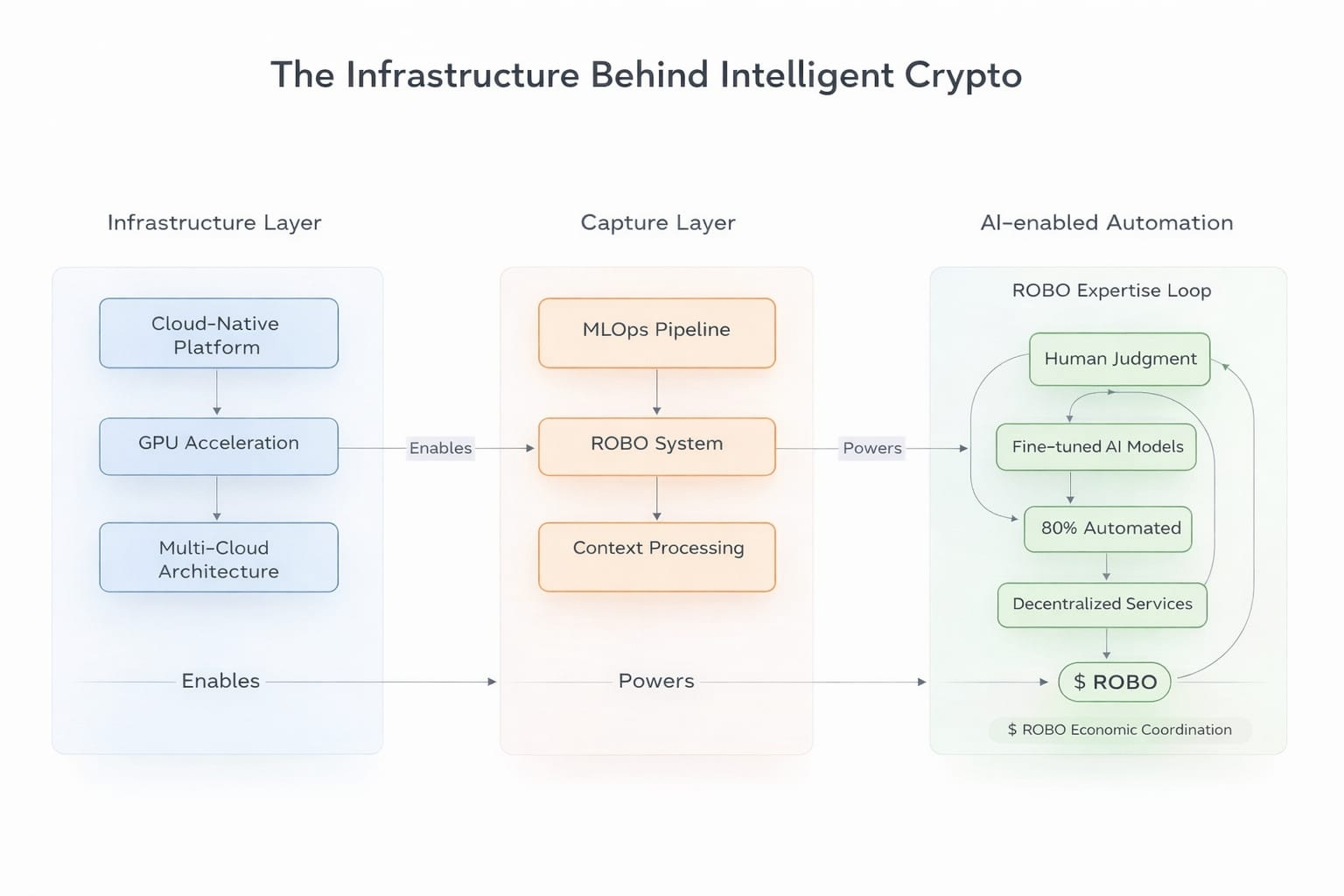
One thing crypto history keeps teaching us is that infrastructure often ends up being more important than the first wave of applications. When Ethereum launched, people were delighted about individual dApps, but over time it was the network itself that became the real engine behind DeFi and countless other projects. Something similar happened with Chainlink. It didn’t become valuable because it was flashy it became important because so many protocols needed reliable data.
When I started looking into Fabric’s direction, that same infrastructure mindset seemed to be part of the vision. From what I understand, Robo is trying to build an environment where automated systems, developers, and decentralized services can interact more smoothly. In that environment, ROBO becomes the economic layer that helps coordinate those interactions.
And that idea feels increasingly related today.
If you look around the crypto ecosystem right now, automation is already playing a bigger role than many people realize. Trading bots are handling massive volumes across trade. DeFi strategies can automatically move liquidity to chase better yields. Some analytics platforms are already experimenting with systems that trigger actions based on on-chain data.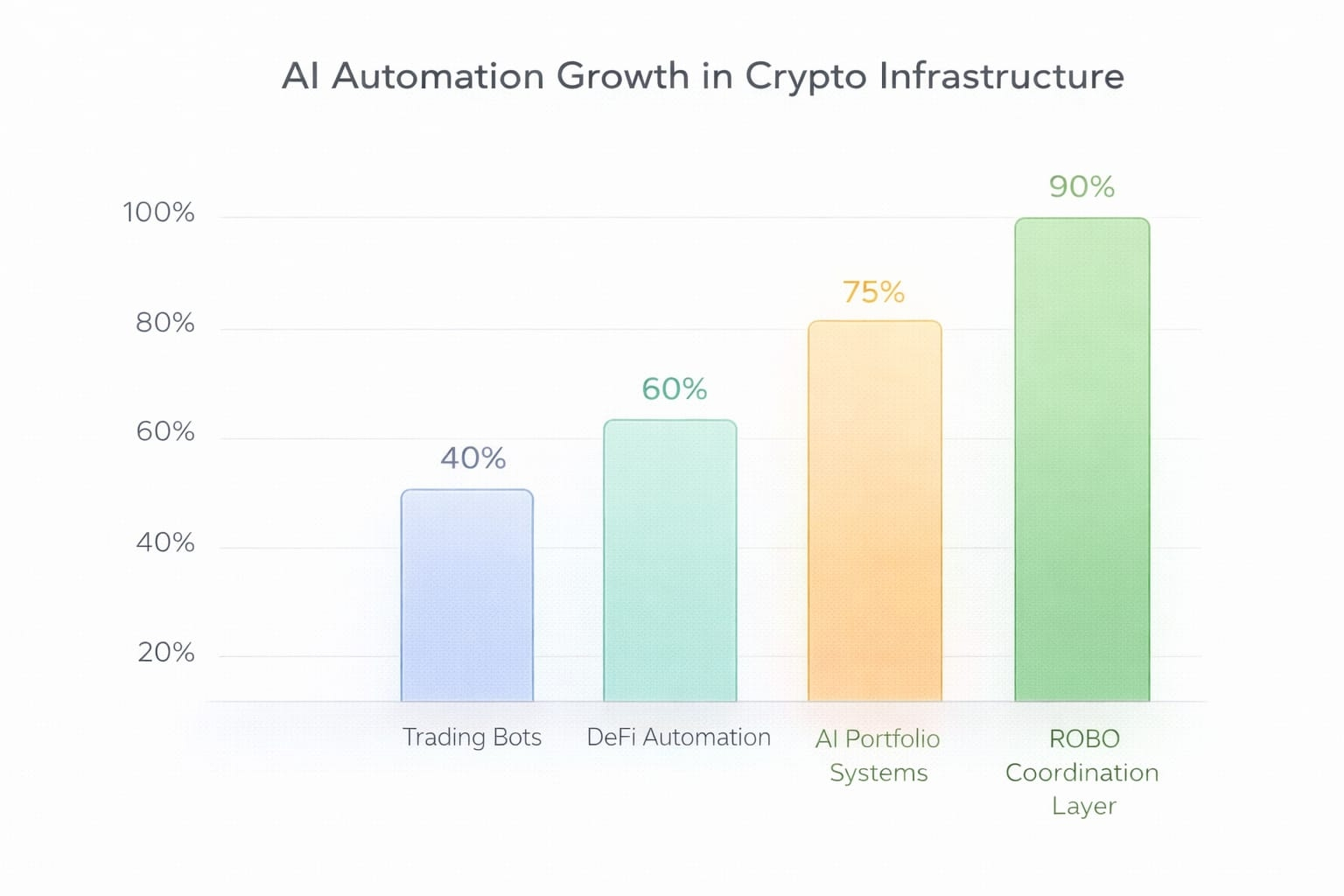
So naturally the next question becomes: what happens when those systems become even more intelligent?
Imagine an AI system that manages a portfolio across several DeFi protocols. It monitors advancing rates, detects liquidity shifts, and reallocates assets unconsciously. For that kind of system to operate reliably, it needs infrastructure that allows it to access data, execute transactions, and interact with other decentralized services.
That’s the kind of environment where a project like Fabric Foundation could become meaningful if the ecosystem grows the way supporters expect. In that context, ROBO isn’t just another token floating in the market. It becomes part of the coordination layer that helps power interactions within the network.
Of course, none of this happens automatically. Infrastructure projects usually take time to prove themselves because their success depends on adoption. Developers need to build on top of the system, and real use cases need to appear before the value of the infrastructure becomes obvious.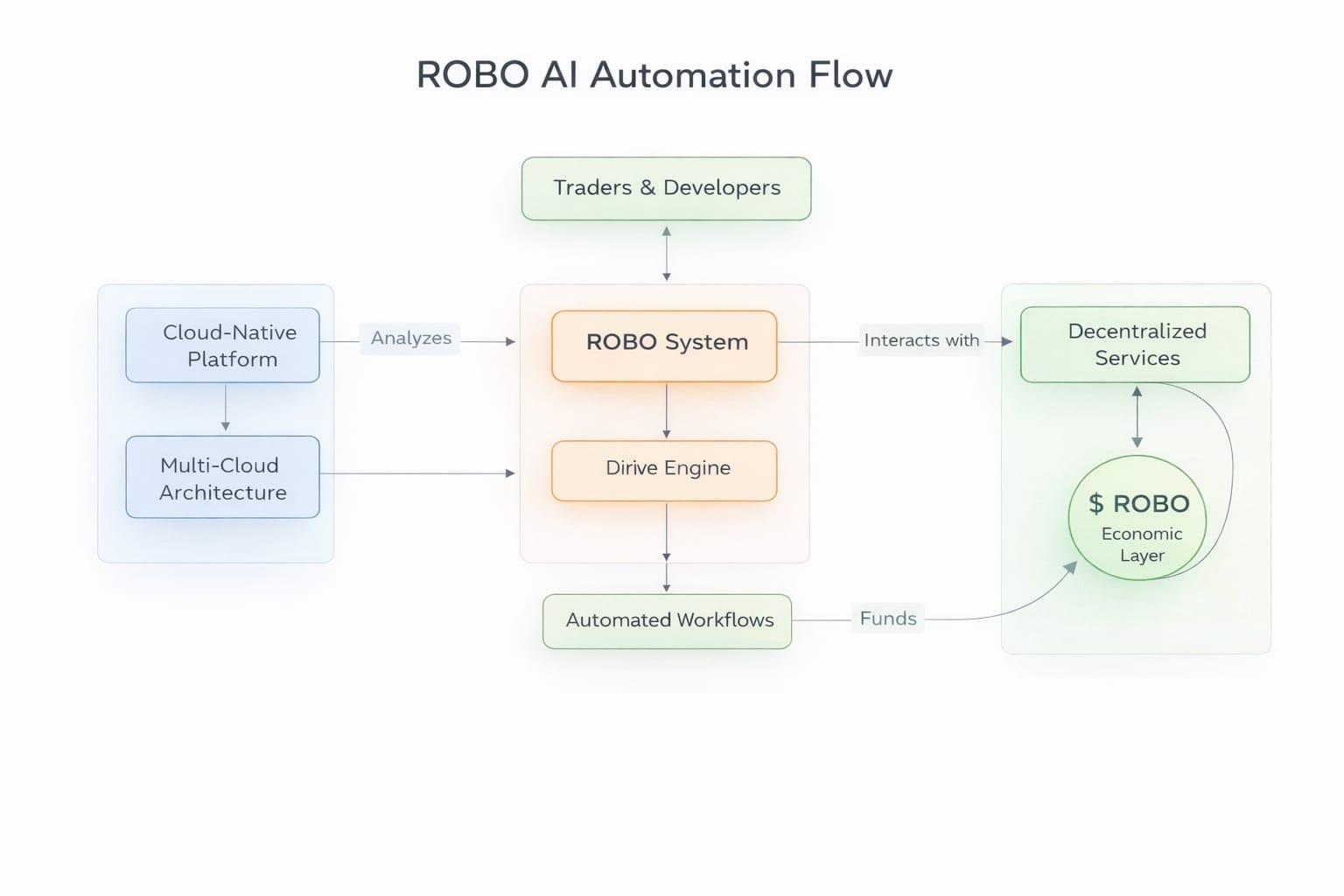
There’s also the reality that AI infrastructure is quickly becoming a ambitious space. Many teams are exploring different ways to connect artificial intelligence with decentralized networks. That means projects like Fabric will need to continue building momentum and attracting developers they want to stand out.
Still, what makes #ROBO interesting to me is where it sits in the bigger picture. It handle several powerful trends that are shaping the next phase of crypto: automation, decentralized infrastructure, and the growing role of intelligent systems collaborating with blockchain networks.
Crypto accounts tend to move in waves. First people get excited about the visible applications. Then over time the deeper value shifts toward the infrastructure that makes those applications possible.
That’s why I’ve been keeping Fabric Foundation and ROBO on my radar lately. The project seems to be exploring a part of the ecosystem that could become much more important if AI and automation continue expanding inside decentralized networks.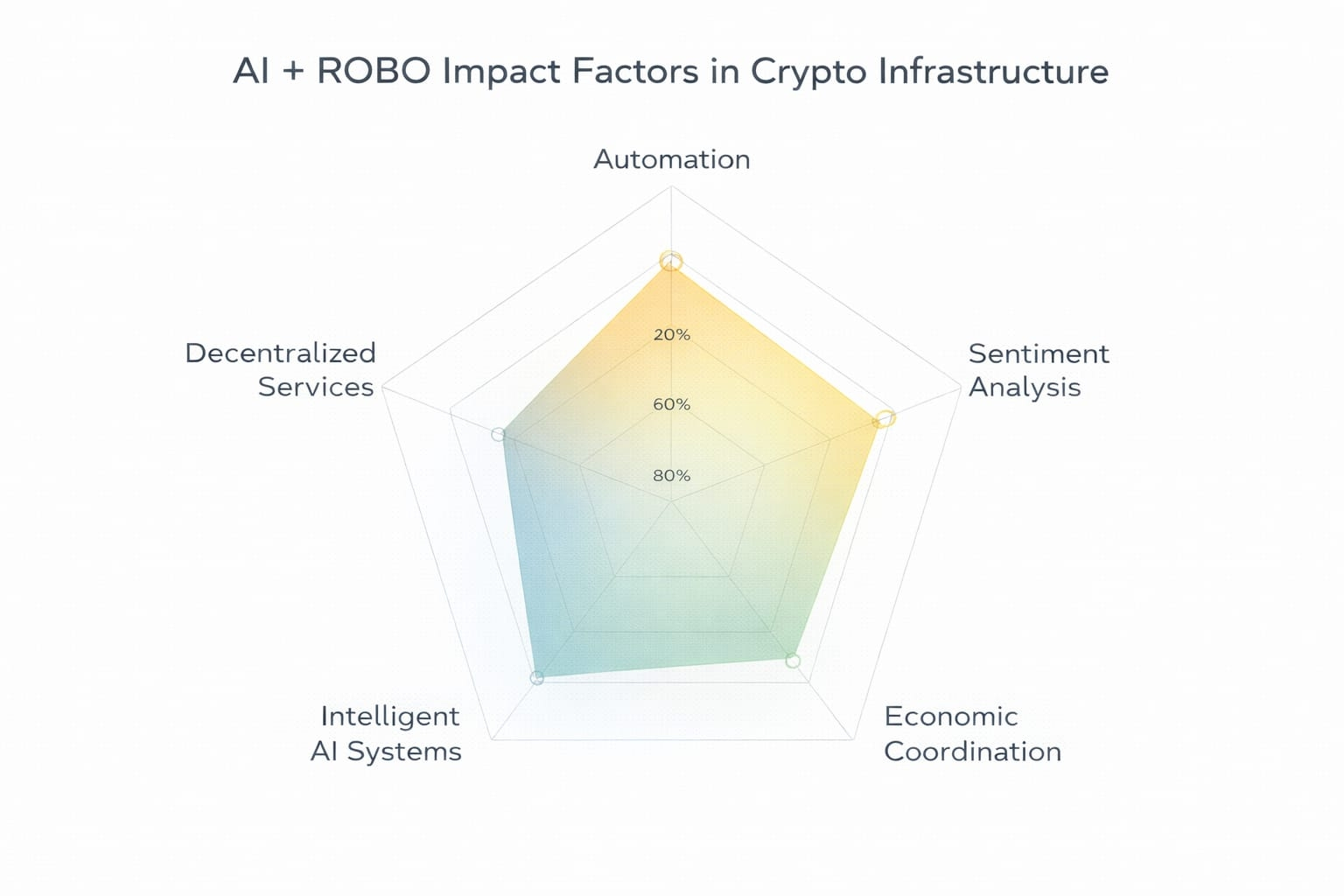
It’s still early, and like any emerging idea there are risks and uncertainties. But sometimes the most interesting developments in crypto start exactly like this with projects quietly building the foundations for something that hasn’t fully taken shape yet.
For now, I’m just watching how the story around ROBO continues to develop. And if the intersection of AI and blockchain keeps growing, infrastructure layers like the one Fabric is trying to build might end up playing a bigger role than many people expect.