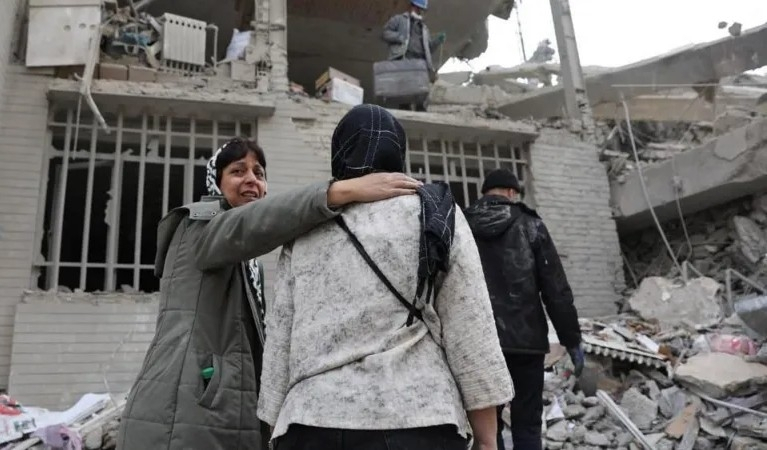
As the military campaign enters its second week, the initial wave of hope among some Iranians for rapid political change is being replaced by a harrowing reality. What began as a series of targeted strikes has evolved into a nationwide crisis, leaving many to wonder if the country they love will be left in ruins before any "new beginning" can take root. 🏗️🔥
A Nation at a Crossroads 🛣️
For those who have endured years of crackdowns and economic hardship, the prospect of external intervention was initially seen by some as the only way to break the deadlock. However, the human and structural cost is mounting rapidly:
Humanitarian Crisis: Over 3.2 million people are now internally displaced, fleeing the sounds of nightly explosions and failing infrastructure. 🏘️🏃♂️
Fear of Chaos: Even staunch critics of the current establishment are asking the hard questions: Who takes over? and Will the regime simply become more defiant amidst the rubble? ❓🤔
The "Enemy" Narrative: Inside the country, authorities are using the strikes to brand all dissent as "treason," tightening their grip on the streets with increased paramilitary presence. 👮♂️🚫
Conflicting Hopes 🕊️⚡
Despite the fear, voices like Reza in Isfahan argue that internal change has been rendered impossible by brutal crackdowns, leaving military pressure as the sole remaining lever. Yet, for many others, the dream of freedom is now clouded by the nightmare of a "failed state" scenario.
The world watches as the Strait of Hormuz faces potential closure and oil prices surge, but for the people in Tehran and beyond, the primary concern isn't the global economy—it's whether there will be a country left to call home when the smoke clears. 🌍⛽💨
What do you think? Can external pressure truly facilitate stable internal change, or does it inevitably lead to a cycle of destruction? Let's discuss in the comments. 👇
#IranConflict #MiddleEastNews #HumanitarianCrisis #RegimeChange #GlobalSecurity 🌍📢