𝗕𝗶𝘁𝗧𝗼𝗿𝗿𝗲𝗻𝘁 𝗻𝗼𝗻’𝗲̀ 𝗦𝗼𝗹𝗼 𝗰𝗮𝗿𝗲𝗻𝗱𝗼 𝗱𝗶 𝗙𝗶𝗹𝗲 𝗦𝗵𝗮𝗿𝗶𝗻𝗴, 𝗻𝗼𝗻 𝗲̀ 𝗽𝗿𝗼𝗳𝗼𝗻𝗱𝗮𝗻𝗱𝗼 𝗮 𝗳𝗮𝗿𝗲 𝗱𝗶 𝗳𝗮𝗿𝗲 𝗲𝘀𝘁𝗲𝗻𝗱𝗲𝗻𝘁𝗲 𝗮 𝗳𝗮𝗿𝗲 𝗮 𝗙𝘂𝗹𝗹 𝗪𝗲𝗯𝟯 𝗜𝗻𝗳𝗿𝗮𝘀𝘁𝗿𝘂𝗰𝘁𝘂𝗿𝗲
Per anni, la maggior parte delle persone ha associato BitTorrent a una cosa: condivisione di file peer to peer.
Ma silenziosamente, l'ecosistema si è evoluto in qualcosa di molto più grande.
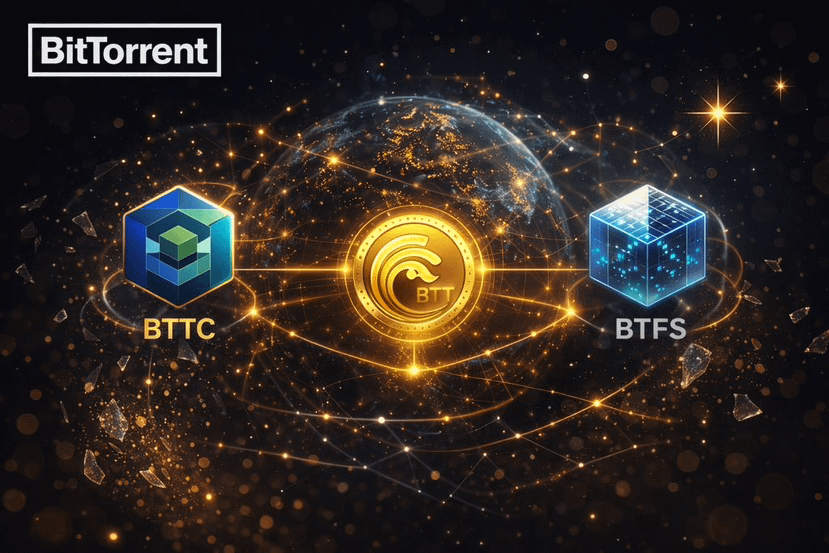
Con l'integrazione di BTTC (BitTorrent Chain) e BTFS (BitTorrent File System), la rete si sta ora muovendo verso un completo stack di infrastruttura Web3 che combina trasferimento di valore cross-chain, archiviazione decentralizzata e distribuzione globale dei dati.
E al centro di questo sistema si trova $BTTC
Analizziamo come funziona 👇
𝗟𝗮 𝗙𝗼𝗻𝗱𝗮𝘁𝗶𝗼𝗻𝗲: BTTC
BTTC funge da ossatura blockchain dell'ecosistema.
Gestisce:
• trasferimenti di asset cross-chain
• consenso dei validatori
• staking e sicurezza della rete
• esecuzione di smart contract
Collegando reti come TRON, Ethereum e BNB Chain, BTTC consente agli asset e ai dati di muoversi senza soluzione di continuità attraverso più ecosistemi.
In termini semplici, BTTC fornisce il livello finanziario e transazionale.
𝗜𝗹 𝗟𝗮𝘇𝗶𝗼𝗻𝗲 𝗱𝗶 𝗔𝗿𝗰𝗵𝗶𝘃𝗶𝗼: 𝗕𝗧𝗙𝗦
Sopra quella infrastruttura si trova BTFS, una rete di archiviazione file decentralizzata ispirata al protocollo BitTorrent originale.
BTFS consente agli utenti di:
• archiviare file attraverso nodi distribuiti
• condividere dati peer-to-peer
• recuperare contenuti tramite archiviazione indirizzata per contenuti
• ospitare dati senza fare affidamento su fornitori di cloud centralizzati
Invece di caricare file su un singolo server, i dati vengono crittografati, suddivisi in frammenti e distribuiti nella rete.
Questo aumenta drammaticamente la resilienza e la resistenza alla censura.
𝗤𝘂𝗮𝗻𝗱𝗼 𝗕𝗧𝗧𝗖 𝗲 𝗕𝗧𝗙𝗦 𝗖𝗼𝗺𝗯𝗶𝗻𝗮𝗻𝗼
Il vero potere appare quando questi due livelli lavorano insieme.
BTTC fornisce il livello di pagamento e coordinamento, mentre BTFS fornisce il livello di archiviazione e distribuzione dei dati.
Quella sinergia consente cose come:
• pagamenti cross-chain per i servizi di archiviazione
• mercati di hosting decentralizzati
• sistemi di ricompensa automatizzati per i fornitori di archiviazione
• condivisione di contenuti sicura e scalabile attraverso le catene
In altre parole, il trasferimento di valore e l'infrastruttura dati diventano parte dello stesso sistema decentralizzato.
𝗣𝗲𝗿𝗰𝗵𝗲 𝗤𝘂𝗲𝘀𝘁𝗼 𝗘𝗳𝗳𝗲𝘁𝘁𝗶𝘃𝗮𝗺𝗲𝗻𝘁𝗲 𝗣𝗲𝗿 𝗪𝗲𝗯𝟯
La maggior parte degli ecosistemi blockchain si concentra principalmente su token e applicazioni finanziarie.
Ma Web3 ha anche bisogno di infrastrutture dati.
Gli sviluppatori richiedono:
• archiviazione decentralizzata
• comunicazione cross-chain
• distribuzione di contenuti affidabile
• logica programmabile on-chain
La combinazione BTTC + BTFS offre esattamente questo.
Un ambiente Web3 full-stack dove dati, pagamenti e smart contract interagiscono senza soluzione di continuità.
𝗖𝗵𝗲 𝗖𝗵𝗲𝗿𝗮 𝗽𝗲𝗿 𝗜𝗻𝗱𝗶𝘃𝗶𝗱𝘂𝗮𝗹𝗶 𝗗𝗶𝗳𝗳𝗲𝗿𝗲𝗻𝘁𝗶
Per gli utenti, significa maggiore controllo sui propri dati e opzioni di archiviazione decentralizzata più economiche.
Per i creatori, apre la porta alla pubblicazione resistente alla censura e alla distribuzione globale dei contenuti.
Per gli sviluppatori, sblocca una nuova generazione di applicazioni come:
• piattaforme social decentralizzate
• mercati di archiviazione cross-chain
• reti media peer-to-peer
• sistemi di hosting di contenuti Web3
Tutto costruito su infrastrutture decentralizzate.
𝗜𝗹 𝗚𝗿𝗮𝗻𝗱𝗲 𝗚𝗲𝘀𝘁𝗼
Gli ecosistemi blockchain spesso iniziano con la finanza.
Ma la prossima fase di Web3 riguarda la proprietà dei dati, l'archiviazione e l'infrastruttura digitale.
Integrando BTTC e BTFS, l'ecosistema BitTorrent si sta posizionando all'incrocio di:
🔹 archiviazione decentralizzata
🔹 interoperabilità cross-chain
🔹 reti peer-to-peer globali
E quella combinazione potrebbe ridefinire come vengono costruite le applicazioni decentralizzate negli anni a venire.
Perché il futuro di Web3 non si limiterà a muovere denaro.
Muoverà i dati.