

When I look at Midnight Network, I do not begin with excitement. I begin with doubt. Crypto has trained me that way. Too many projects arrive with bold promises and disappear the moment reality pushes back.
Still, Midnight touches a problem that most blockchains never seriously confront. The industry has spent years celebrating transparency as if it is automatically a virtue. In simple token transfers that works. But the moment blockchain moves toward industries like AI or healthcare, that philosophy begins to crack. In those environments, the real asset is not the transaction — it is the data. And that data cannot simply be thrown onto a public network.
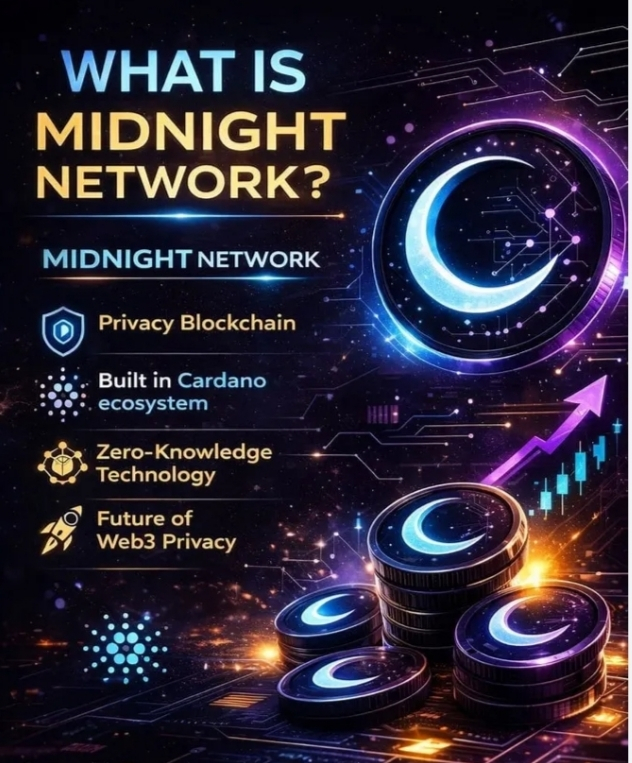
That is where Midnight becomes interesting to me.
I do not see it as another project obsessed with secrecy. Instead, I see it trying to solve a very old internet dilemma: organizations want the value inside data, but they fear the risks that come with exposing it. Trust becomes fragile when sensitive information is involved, and modern systems spend enormous energy managing that tension.
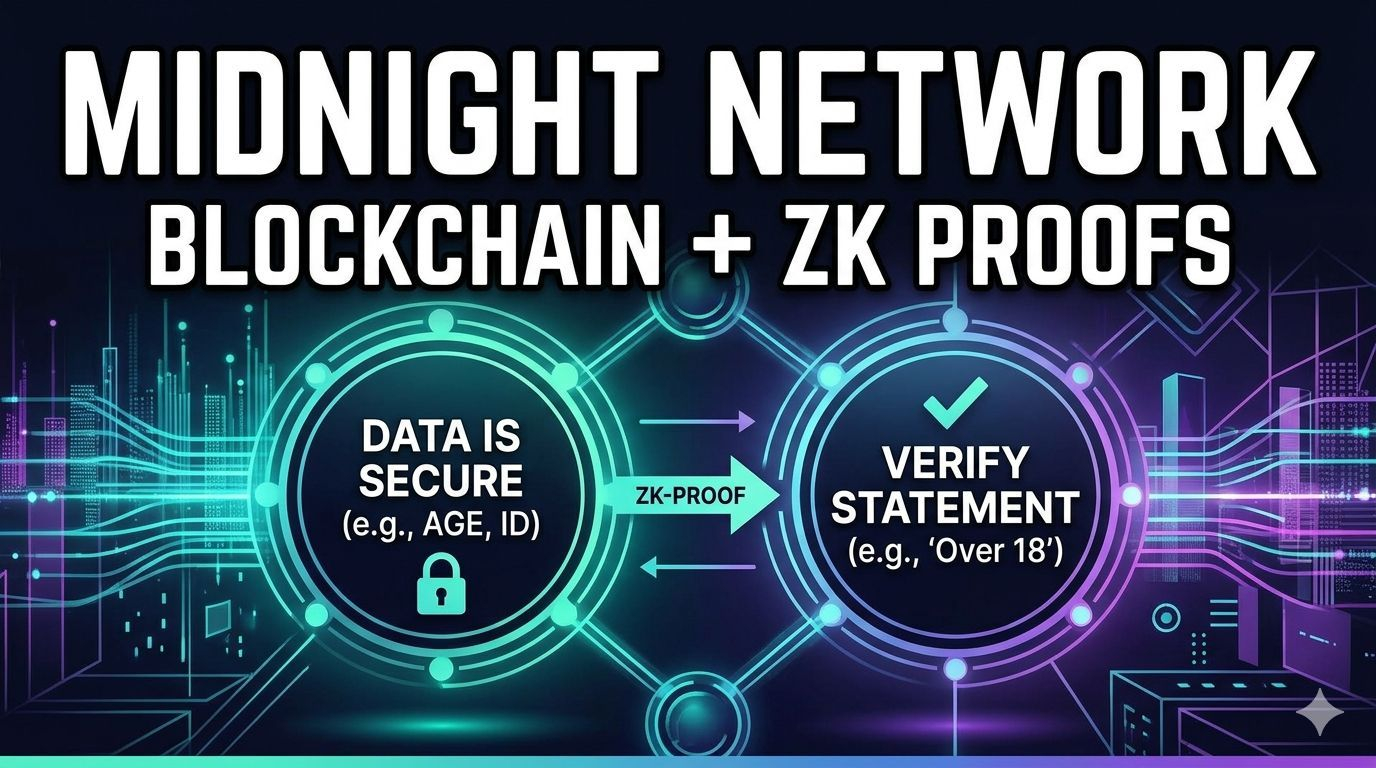
Midnight’s idea seems simple but powerful. Instead of forcing full transparency, it focuses on proving things without revealing everything. If a network can confirm a condition, a permission, or a compliance rule without exposing the raw data underneath, that is not just elegant cryptography — it is practical infrastructure.
The AI connection makes sense through that lens. Advanced models depend on large pools of valuable data, yet much of that data is private, regulated, or commercially sensitive. The challenge is not only using the data but verifying how it was used without exposing it. Midnight appears designed for exactly that kind of environment.
Healthcare presents an even clearer case. Medical information is deeply sensitive and heavily regulated. Any system that claims to “unlock” it casually usually misunderstands the problem. What I see Midnight attempting instead is something narrower but more realistic: verification without reckless disclosure.
That distinction matters.
To me, Midnight is not simply a privacy chain. It looks more like an infrastructure layer for selective disclosure. In real-world systems, people rarely need the entire record. They need confirmation that certain conditions are met — proof of eligibility, proof of compliance, proof of authority — without exposing every detail.
Of course, ideas are easy. Crypto is full of elegant concepts that never survive contact with real users.
The real test for Midnight will not be its theory. It will be whether developers can actually build on it, whether institutions trust its security model, and whether the system handles the messy reality of regulation and operational complexity. Privacy technology often looks brilliant in theory but fragile in practice.
That is where my skepticism returns.
Questions around trust models, proving environments, and user assumptions cannot remain vague. If Midnight wants to operate in sectors like AI and healthcare, those questions will eventually demand clear answers.
Yet despite that caution, the project keeps my attention. It feels less like a marketing exercise and more like a disciplined attempt to solve a real infrastructure problem. And in a market filled with noise and recycled narratives, that alone makes it worth watching.
Maybe the future value of blockchain will not come from radical transparency after all. Maybe it will come from understanding what must be visible and what must remain protected.
#night $NIGHT @MidnightNetwork
