
#night @MidnightNetwork $NIGHT
Midnight Network is built around a simple but uncomfortable observation. Most blockchain systems behave well only when the environment is calm. Transactions flow smoothly, fees stay predictable, and everyone assumes transparency is a virtue. But I’ve watched markets long enough to know that calm conditions rarely last. When volatility spikes, when regulators begin asking questions, or when competitors start scanning wallets for advantage, transparency stops feeling like a feature and starts behaving like an operational risk.
That tension is exactly where Midnight Network sits. It tries to answer a difficult question: how do you keep blockchain’s open infrastructure while protecting the information that participants cannot afford to expose?
The answer, at least in theory, is zero knowledge cryptography. Instead of showing the entire contents of a transaction, the network proves that the transaction follows the rules without revealing the sensitive details. Think of it like entering a secure building with a badge scanner. The system confirms you are authorized to enter, but it does not announce your name, job title, or salary to everyone standing in the lobby.
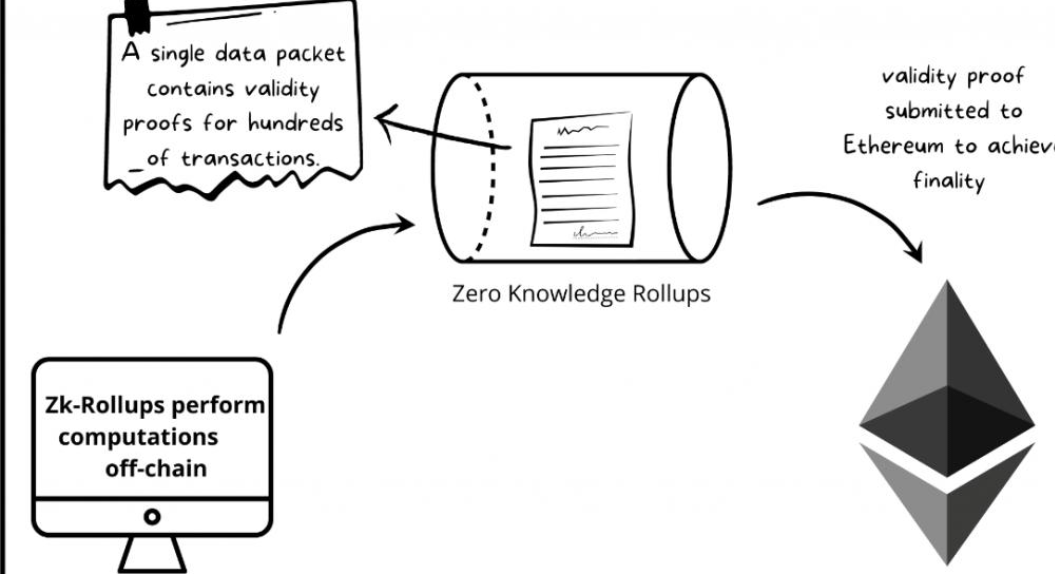
This sounds simple on paper. In practice it changes how the entire system behaves under pressure.
Let’s start with the basic problem most public blockchains have created for themselves. Radical transparency was originally seen as a strength. Anyone can see every transaction. Anyone can audit the ledger. That design made sense when blockchains were mostly experiments or when the main participants were anonymous hobbyists.
But as real capital entered the space, transparency began creating strange side effects. Traders started watching each other’s wallets. Competitors mapped corporate treasury movements. Governments developed increasingly sophisticated blockchain surveillance tools.
In normal market conditions, people ignore these risks. But when things get tense, the incentives shift quickly.
Think about a crowded highway during rush hour. When traffic flows normally, drivers behave predictably. But once congestion starts building, small behaviors change everything. People cut lanes, brake suddenly, and begin reacting to each other rather than the road.
Public blockchains behave in a similar way during market stress.
When large positions move on-chain, everyone sees it. When a fund shifts liquidity, competitors can react instantly. When a business processes sensitive transactions, observers can map operational patterns. None of these actions technically break the protocol rules, but they create a subtle erosion of trust.
This is where Midnight Network tries to intervene.
The system relies heavily on zero knowledge proofs, which allow a participant to demonstrate that something is valid without revealing the underlying data. A transaction can prove that funds exist, that ownership is legitimate, and that the rules of the contract were followed, all without broadcasting the sensitive inputs.
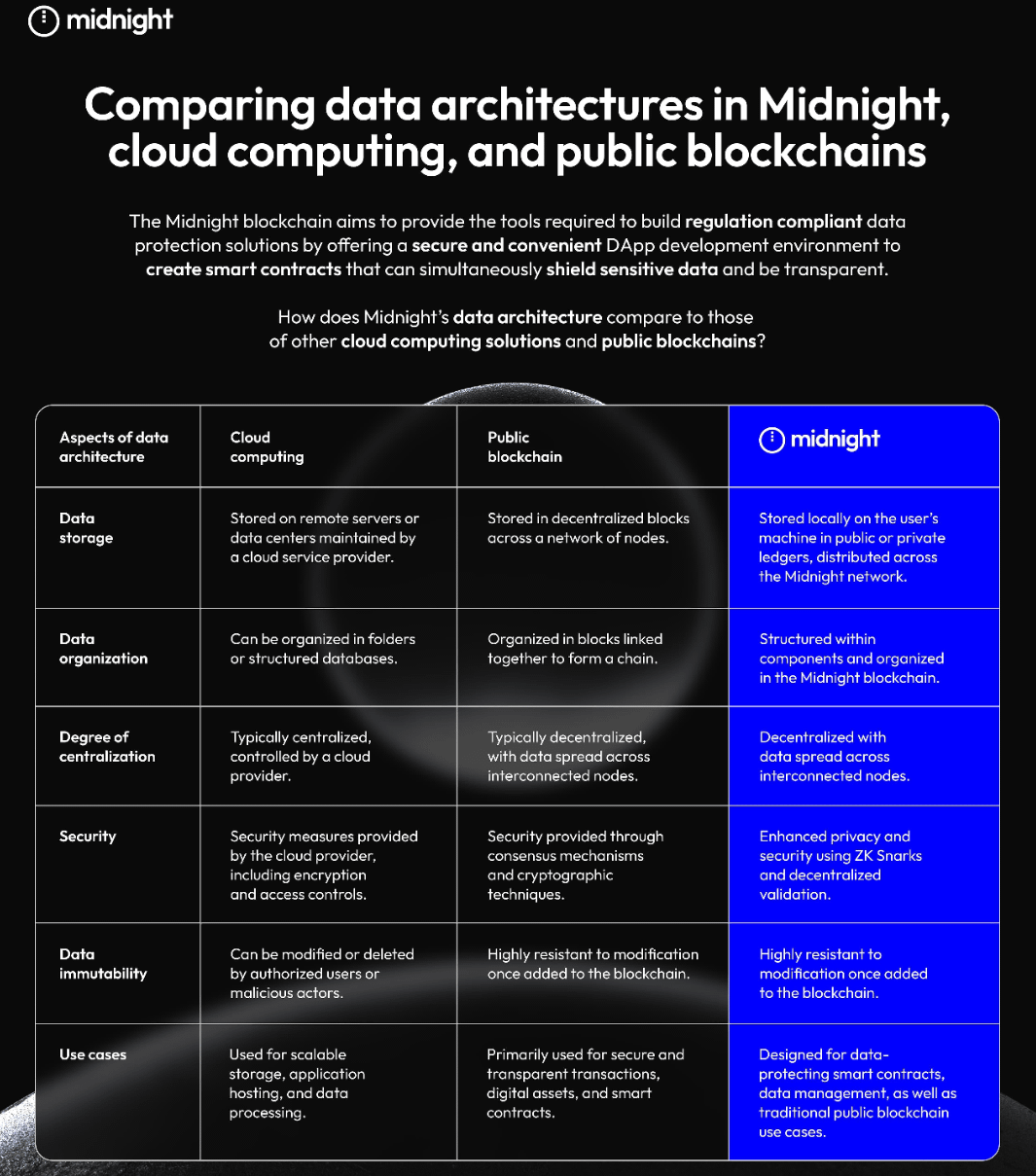
If public blockchains are glass buildings where everyone can see inside, Midnight is trying to install selective blinds.
That design choice has consequences. Privacy is not free. Every layer of cryptographic protection introduces computational overhead. Generating zero knowledge proofs requires significant processing power, and verifying those proofs across a distributed network adds latency.
In calm conditions that overhead might seem unnecessary. Fast and transparent systems look efficient. But once a network begins processing sensitive commercial activity, the tradeoff starts to look different.
Think about financial institutions operating in traditional markets. Banks do not broadcast customer balances to the entire world. Corporations do not publish every supplier payment in real time. Privacy is not just a luxury. It is part of the infrastructure that allows organizations to function.
Blockchain systems have spent years ignoring this reality. Midnight Network is one of several attempts to correct it.
What makes Midnight interesting is its relationship with the Cardano ecosystem. It is being developed as a specialized network designed to interact with Cardano while offering privacy features that Cardano itself intentionally avoids at the base layer.
That separation matters. Infrastructure systems tend to become fragile when they try to solve every problem in one place. Splitting privacy functionality into a dedicated environment allows the base chain to remain transparent while giving developers the option to move sensitive logic elsewhere.
I’ve seen similar architectural patterns in large cities. The visible roads handle most traffic, but critical infrastructure often runs underground. Water pipes, electrical conduits, fiber cables. These systems operate quietly beneath the surface so the city above can function smoothly.
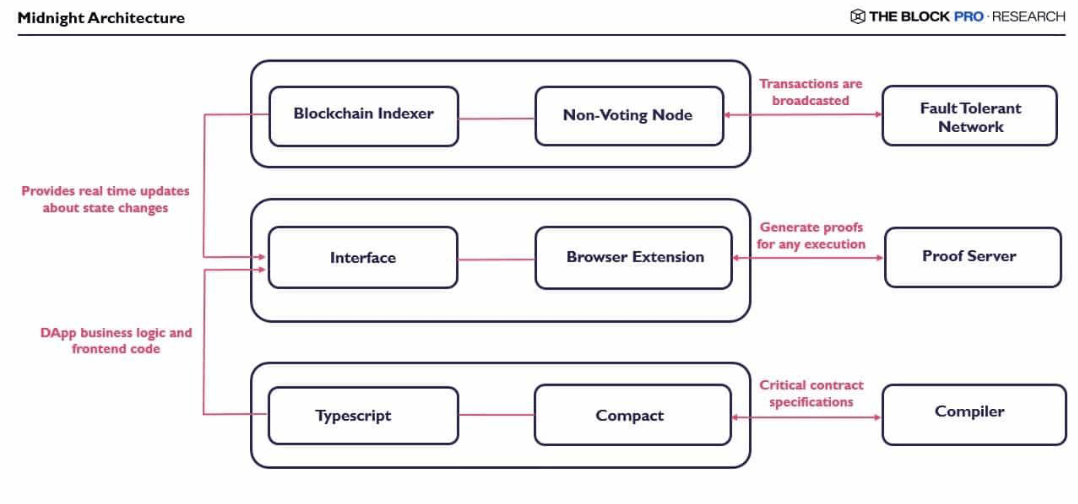
Midnight is trying to act like that underground layer.
Still, it is important to be realistic about what privacy networks can and cannot solve.
Zero knowledge proofs protect data within the protocol, but they cannot control behavior outside it. If users reveal their identities through exchanges, social media, or operational mistakes, privacy evaporates quickly. Cryptography cannot fix human coordination failures.
Regulation is another pressure point. Privacy technology tends to trigger suspicion from policymakers who worry about illicit activity. Even when the technology is designed for legitimate business confidentiality, the narrative around privacy chains often becomes politically charged.
That tension could shape Midnight’s future more than its codebase.
Performance is another open question. Zero knowledge systems have improved dramatically over the past few years, but generating proofs at scale remains computationally expensive. Networks that rely heavily on these mechanisms must constantly balance security, speed, and cost.
If proof generation becomes too slow or too expensive, users simply migrate elsewhere. Markets are ruthless about friction.
And friction always appears when systems grow.
Look at any infrastructure network under real stress. Roads jam. Payment systems slow down. Cloud servers throttle requests. Blockchain networks are no different. The real test for Midnight will not come from white papers or launch announcements. It will come from chaotic market conditions where thousands of transactions compete for resources at the same time.
That is when design assumptions get exposed.
Still, I find the direction interesting.
After nearly a decade of watching blockchain markets evolve, one pattern keeps repeating. Systems built only for transparency struggle when real economic activity arrives. Businesses, institutions, and even ordinary users eventually demand some form of confidentiality.
Privacy does not eliminate risk, but it changes how information moves through a network. And information flow is often the hidden force shaping markets.
Right now, as the broader crypto market in 2026 moves through another cycle of regulatory pressure and institutional entry, the conversation around privacy infrastructure is becoming harder to ignore. Institutional players are comfortable with blockchain settlement, but they are far less comfortable broadcasting their entire financial behavior to competitors.
That gap between transparency and usability is where Midnight Network hopes to operate.
Whether it succeeds will depend less on the elegance of its cryptography and more on whether real developers build systems that need what it offers.
Infrastructure only matters when people actually drive on the road.
So the real question isn’t whether zero knowledge technology works. We already know it does.
The real question is whether the next wave of blockchain applications will finally admit that privacy is not optional.
And if that shift really begins now, how many existing blockchains are actually prepared for it?
#night @MidnightNetwork $NIGHT
