
Il Protocollo Fabric e il suo token $ROBO non mi sembrano immediatamente un'opportunità di trading. Ciò che spicca invece è la domanda più profonda a cui stanno cercando di rispondere: come possiamo rendere i sistemi di intelligenza artificiale affidabili nel tempo?
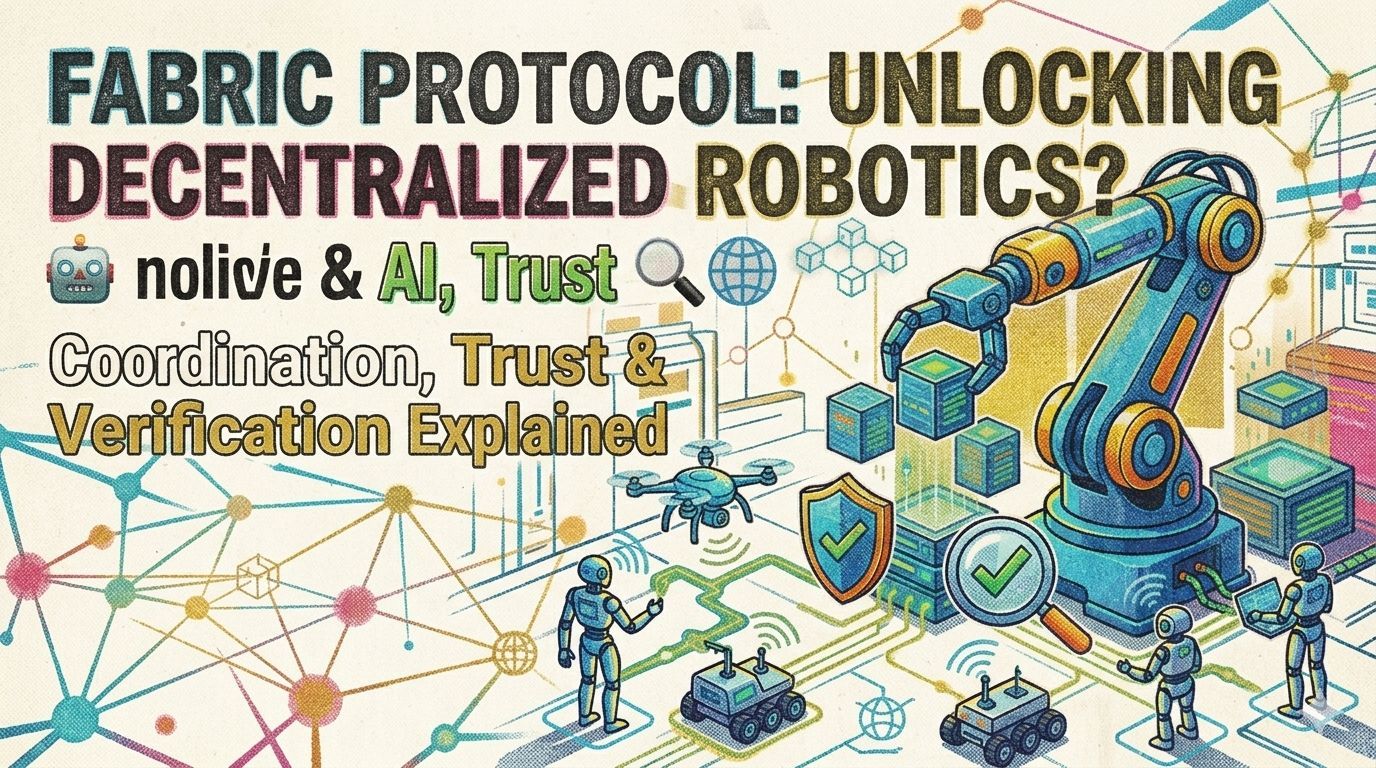
Nel suo nucleo, il Protocollo Fabric sta cercando di introdurre verificabilità nelle operazioni di IA e robotiche utilizzando la blockchain. Il presupposto è semplice: se ogni azione, calcolo o input di dati può essere registrato e convalidato su un sistema condiviso, la dipendenza dalla fiducia cieca nelle macchine o nelle entità centralizzate è ridotta. Concettualmente, questo si allinea con il movimento più ampio verso l'IA decentralizzata e il Web3.
Tuttavia, l'idea non è priva di complicazioni.
La verifica, da sola, non garantisce che i risultati siano sicuri, etici o anche utili. Un sistema può dimostrare che un processo è stato eseguito correttamente, ma ciò non significa che il risultato sia desiderabile. Un'AI o un robot potrebbe seguire le sue istruzioni alla perfezione e comunque produrre conseguenze dannose. La trasparenza aiuta, ma non sostituisce il giudizio.
Un'altra questione critica è la dinamica dei validatori. Se il potere di verifica diventa concentrato tra un numero limitato di partecipanti, il sistema rischia di perdere la sua natura decentralizzata. Le strutture di incentivo giocano un ruolo chiave qui: se i partecipanti sono spinti più dal profitto che dall'integrità, la possibilità di collusione non può essere ignorata.
La sostenibilità è anche una preoccupazione. Affinché la rete operi in modo efficace, i validatori e i contributori devono essere ricompensati. Ma se tali ricompense dipendono fortemente dall'emissione continua di token, potrebbe esercitare una pressione al ribasso sul valore di $ROBO nel tempo. Senza una domanda nel mondo reale per bilanciare le emissioni, il modello economico potrebbe faticare a reggere.
La regolamentazione introduce un ulteriore livello. Se il Fabric Protocol è destinato a supportare applicazioni AI nel mondo reale, probabilmente dovrà soddisfare standard di conformità. Ciò include il mantenimento di audit trail chiari, governance trasparente e meccanismi di responsabilità che si estendono oltre il codice. La fiducia, in questo senso, non è solo tecnica: è anche istituzionale.
In definitiva, il successo del Fabric Protocol dipenderà meno dal suo design concettuale e più dalla sua esecuzione. La domanda chiave è se possa rimanere veramente aperto e decentralizzato nella pratica: attraverso la validazione, la partecipazione e la governance.
Perché man mano che l'AI diventa più integrata nella vita quotidiana, la fiducia non sarà costruita solo su idee. Verrà da sistemi che dimostrano costantemente la loro affidabilità nel tempo.