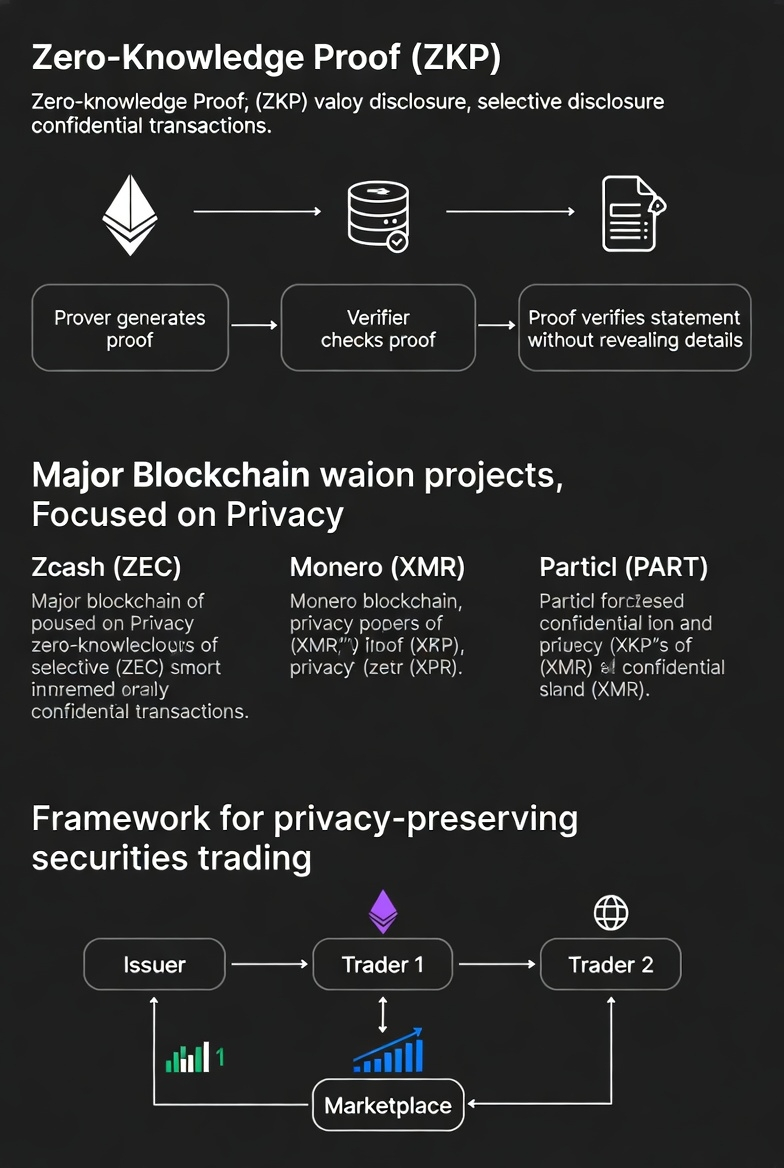
I keep coming back to the same stubborn problem every time someone in compliance or operations talks about their latest blockchain project that's stalled out. It's not some grand debate about freedom or decentralization it’s the nitty-gritty day-to-day stuff. You need to move real value: settle payments across borders, tokenize bonds, share credentials for private deals. The ledger is supposed to guarantee truth, cut out the middlemen. But the minute you put anything on most public chains, every detail gets exposed. Anyone with a block explorer sees it all competitors sniff around, clients' data sits there waiting for a breach or a fine. Auditors want proof you’ve played by the rules, but that transparency ends up leaking strategies you’d never want public.
The friction is painfully real. Take a treasury team at a mid-sized fund they experiment with public rails, run stress tests, and watch as their positions get front-run before they’re even finished. Or a healthcare group trying to check eligibility for a pooled fund without tossing patient records onto a shared ledger for everyone to see. Regulators aren’t villains here; they have their own priorities KYC, AML, strict data-minimization. People make it worse: they hedge, stall, or dodge the system whenever it feels too exposed. Builders try patching things up with hybrids put the settlement layer on-chain, keep sensitive stuff off-chain—and sooner or later, you’re back in the same reconciliation mess that blockchains were supposed to kill. Costs pile up with extra legal layers, duplicate audits, and that constant worry that one mismatched record could blow everything apart. I’ve watched these setups limp along for months, then get quietly abandoned because there’s no way the overhead ever pays for the speed boost.
What makes most “fixes” feel so half-baked in practice is how they handle privacy as a side-note a toggle you only flip during a crisis. Throw in a mixer, toss up an opt-in shield, or run certain transactions through a side process that “proves” compliance when needed. It never really fits. Those extra steps bring their own headaches: proof generation slows down under heavy load, fees spike randomly with token swings, and there’s always the nagging suspicion from regulators “What are you hiding?” I’ve seen this story before: tools start as clever hacks, get branded as evasion schemes, counterparties back off, liquidity dries up, and the whole thing shrinks until regulators squeeze it out entirely. Even permissioned chains built from scratch for institutions wind up so centralized they lose the real advantage, just becoming fancy versions of the old siloed database. Sure, they solve the visibility issue but then you’re right back with trust problems, wondering if the operator is juggling the books.
That’s what keeps bugging me about infrastructure for regulated spaces places that have to play nicely with real laws and settlements. Privacy can’t be an afterthought or something you bolt on when the auditor shows up. It needs to be baked in, so the ledger protects and verifies side by side, without forcing a constant trade truth versus confidentiality
No extra routines, no wrapper layers that scale poorly across countries. It matches what regulations increasingly demand: collect the minimum, verify what’s necessary, don’t store more data than you need. Predictable costs follow, because you aren’t always patching on new privacy tools or paying wild premiums for every exception. And people adapt the friction feels like part of the system instead of something awkward you have to work around. Builders stop avoiding the chain, and institutions can actually analyze risk without worrying every transaction is a security leak.
Regulators have long memories for failure, and when it looks like privacy got tacked on, they poke harder, not less. And real-world costs don’t stop at gas fees they include legal reviews, integration tests, and rising insurance premiums whenever someone senses uncertainty. Even if the tech works, adoption stalls if the user experience is a headache: developers who aren’t crypto wonks just walk away, compliance folks need to explain it to the board without sounding like they’re selling vapor.
But for tools meant to be infrastructure not just another flashy alternative the “by design” path feels like the only one that might stick for regulated settlement or enterprise flows. Not because it promises perfection, just because it cuts out that endless compromise that ruins so many half-measures. Treasury desks could use it for private cross-border rails, keeping their positions hidden while satisfying solvency checks with counterparties. Fund managers could structure private subscriptions proving eligibility without exposing client details. It shows up in all the mundane ways: less compliance overhead down the road, data that stays private, settlement that doesn’t force you to pick speed or discretion. It fits the way institutions actually work they want shared truth, not shared exposure.
So who would really use this? Probably the compliance-focused builders and institutions already frustrated by public-chain limits: asset managers tokenizing illiquid stuff, corporate treasuries on shared ledgers, maybe healthcare and identity teams who need to verify credentials without publishing records. The ones tired of hybrids that never quite scale. It appeals because they don’t have to rewrite their legal playbook; they can prove just what’s required and keep the rest locked down right in line with where regulation is heading. It could pull in developers who want familiar tools and predictable operations. But I’m not calling it a sure thing. It’ll flop if auditors can’t easily check the proofs, if liquidity and partners never reach critical mass, or if day-to-day developer work is still clunky and slow. The world’s full of ledgers that looked great in theory but never made it to real operations.
Honestly, for me, it’s not about chasing new tech hype. It’s more about hoping that the underlying infrastructure finally stops demanding these awkward compromises. If it happens, maybe regulated teams can finally move forward not out of love for the tech, but because it just hurts less than what we’re stuck with now. If it doesn’t? We’ll keep bolting on patches and hedging, like always. That’s what I’m really watching for.
$NIGHT #night @MidnightNetwork