In the rapidly evolving world of blockchain, one of the biggest challenges remains trust. How do you verify identity, ownership, or authenticity in a decentralized environment? This is where SIGN, the native token of Sign Protocol, steps in as a game-changing solution.
🔍 What is SIGN?
SIGN powers Sign Protocol, an advanced system designed to create secure, verifiable digital attestations across multiple blockchains. Simply put, it allows users and organizations to prove that something is true—without relying on centralized authorities.
🌐 Why Sign Protocol Matters
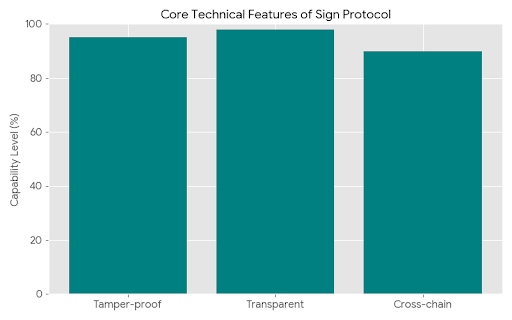
In Web3, trust is decentralized, but verification is still a major hurdle. Sign Protocol introduces a trust layer that ensures data is:
✅ Tamper-proof
✅ Transparent
✅ Cross-chain compatible
This means you can verify identities, contracts, certificates, and even wallet ownership seamlessly.
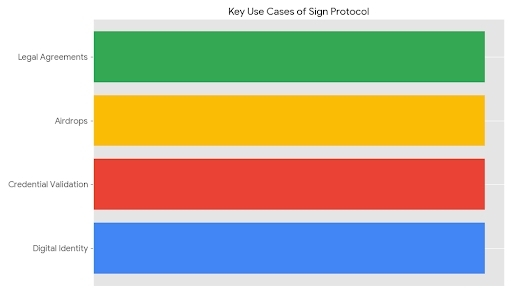
⚙️ Key Use Cases
Digital Identity Verification – Prove who you are online securely
Credential Validation – Verify degrees, licenses, or achievements
Airdrops & Token Distribution – Fair and transparent reward systems
Legal Agreements – Blockchain-based contract verification
💰 Utility of SIGN Token
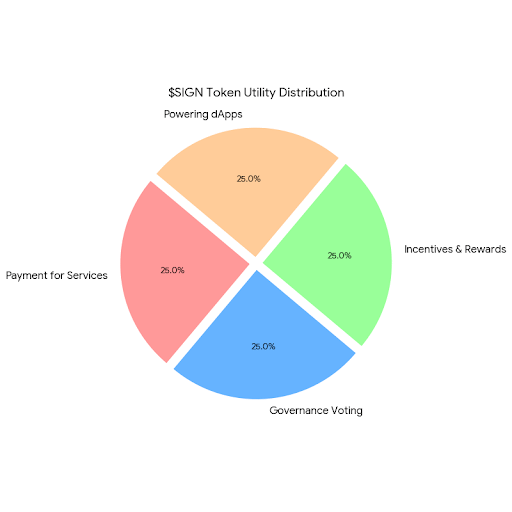
The SIGN token plays a central role in the ecosystem:
Payment for protocol services
Governance voting rights
Incentives and rewards
Powering decentralized applications (dApps)
📈 The Bigger Picture
As blockchain adoption grows, the need for reliable verification systems becomes critical. Sign Protocol aims to become the backbone of trust in Web3, enabling secure interactions between users, businesses, and institutions.
🔮 Final Thoughts
SIGN is more than just another crypto token—it represents a shift toward a trusted, verifiable digital future. If Web3 is to reach mainstream adoption, solutions like Sign Protocol will be essential in building confidence and transparency.
👉 Keep an eye on SIGN—it could be a key player in shaping the next generation of the internet.
@SignOfficial #SignDigitalSovereignInfra $SIGN