
@Fabric Foundation When I first looked at ROBO’s market behavior, I expected the usual pattern, thin liquidity and erratic spikes that come with early-stage tokens. What struck me instead was something quieter. The misconception is that volatility is just a sign of immaturity, while my view is that in systems like this, volatility is a direct reflection of coordination still forming underneath.
On the surface, $ROBO shows sharp price moves, often a few percentage points within hours. Underneath, daily volume hovering in the low millions, sometimes below $10M, signals limited liquidity, meaning there are not enough consistent buyers and sellers to absorb trades smoothly. That enables early participants to move price with relatively small capital, but the risk is clear, price becomes reactive rather than informative.
Liquidity depth tells a similar story. If order books can only absorb trades in the tens of thousands before slippage, which is the price moving against you during execution, increases meaningfully, then the market is structurally thin. That creates a feedback loop where traders hesitate to size positions, which in turn keeps liquidity shallow. Meanwhile, a circulating supply near 1 billion tokens adds another layer, because even small reallocations across holders can shift perceived value quickly.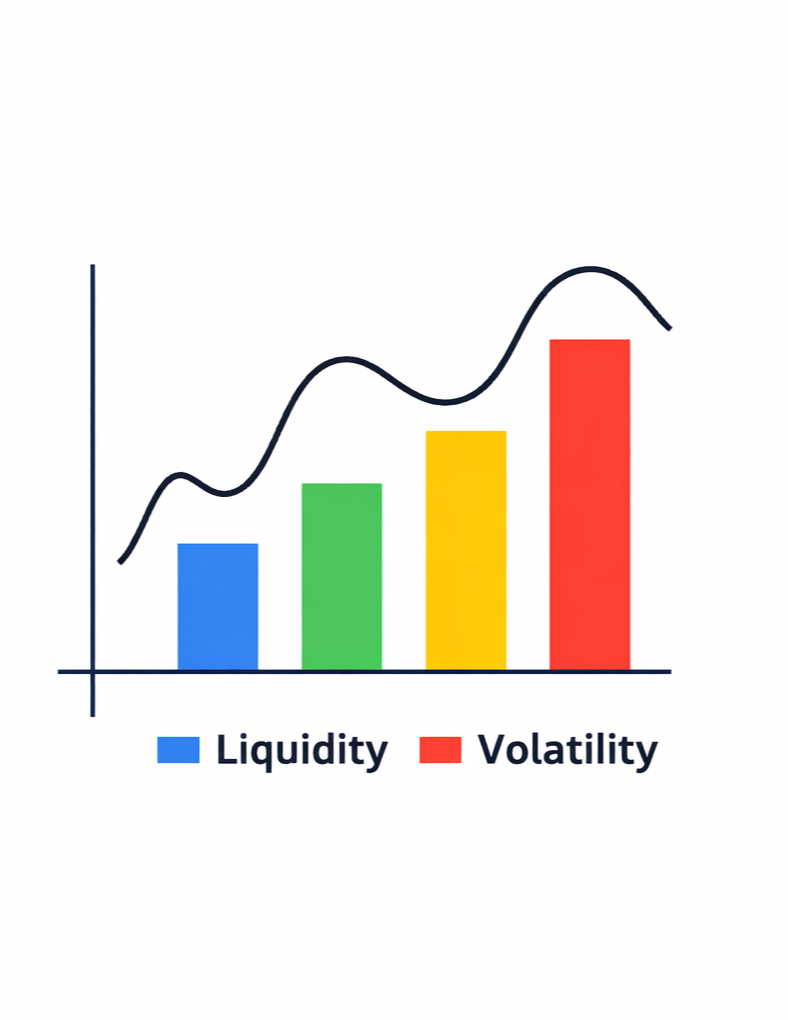
That momentum creates another effect. Volatility clusters around attention cycles. When AI and robotics narratives heat up, capital rotates in quickly, but just as quickly rotates out when broader market liquidity tightens. We have seen this across alt markets recently, where ETF-driven flows concentrate liquidity into majors, leaving smaller tokens like ROBO exposed to sharper swings.
Understanding that helps explain why ROBO does not behave like a stable utility layer yet. It behaves like a coordination asset still searching for consistent demand. If usage stabilizes, meaning repeated machine-to-machine transactions create predictable flow, liquidity can thicken over time. But if activity remains episodic, volatility will persist as a structural feature, not a temporary flaw.
There is also a counterpoint worth considering. Some argue that early volatility is necessary to bootstrap participation, rewarding risk-takers and attracting attention. That may be true in the short term, but it introduces fragility. Systems meant to coordinate machines need predictability more than excitement, and markets do not always transition cleanly from one to the other.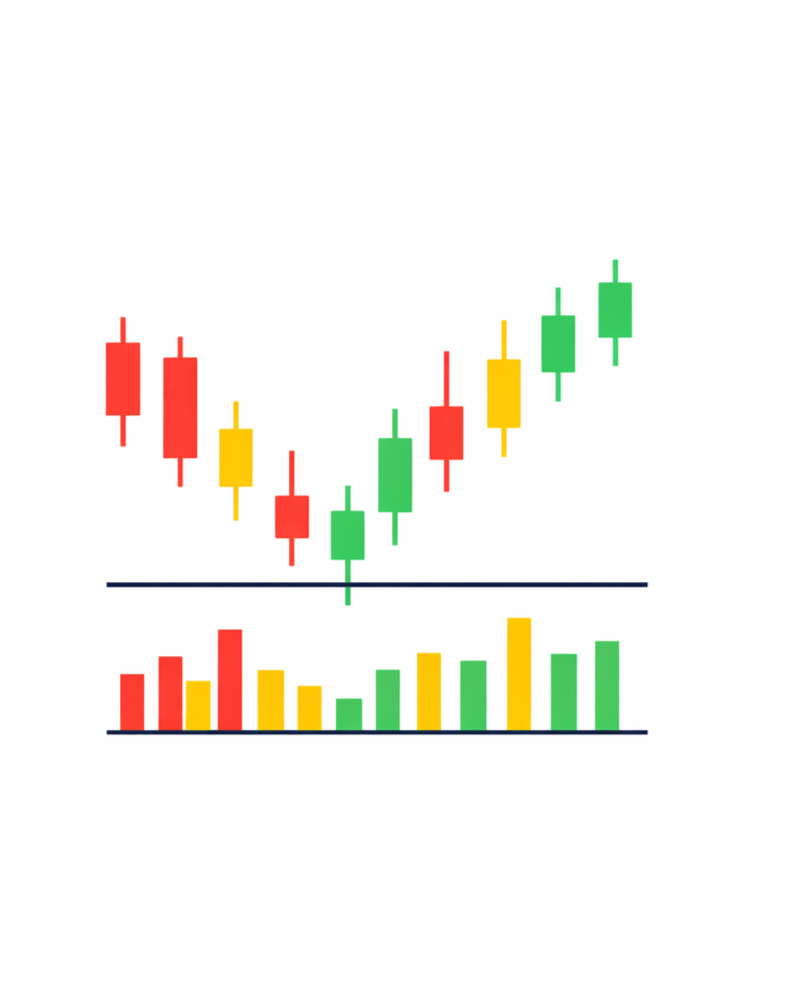
Zooming out, ROBO sits inside a broader shift where capital is trying to price AI-native infrastructure before its usage is fully visible. That creates a gap between narrative demand and operational demand. If this holds, liquidity will follow usage, not the other way around.
The real signal is not how fast ROBO moves, but how consistently it can hold value when nothing interesting is happening.#robo