
@SignOfficial #SignDigitalSovereignInfra $SIGN
Amidst the crowd still swirling with memecoins, the fact that $41.5 million is quietly flowing into a dry identity infrastructure niche is a strange signal. The story behind this massive influx of capital is indeed much more brutal than many white papers.
Injecting tens of millions of dollars into @SignOfficial through two separate funding rounds in 2025 is not a random venture experiment. Capital at this level usually enters only when investors believe they are securing early exposure to a protocol layer that could eventually become unavoidable. What appears on the surface as a digital agreement and attestation tool is in reality a broader attempt to position itself where trust, identity, and verifiable credentials may converge across chains.
The deeper attraction is not the current product itself but the possibility of becoming the infrastructure that every decentralized application silently depends on. In traditional markets, payment rails became powerful because nobody could operate efficiently without them. In decentralized systems, identity rails may follow the same path if enough ecosystems begin depending on a shared authentication logic.
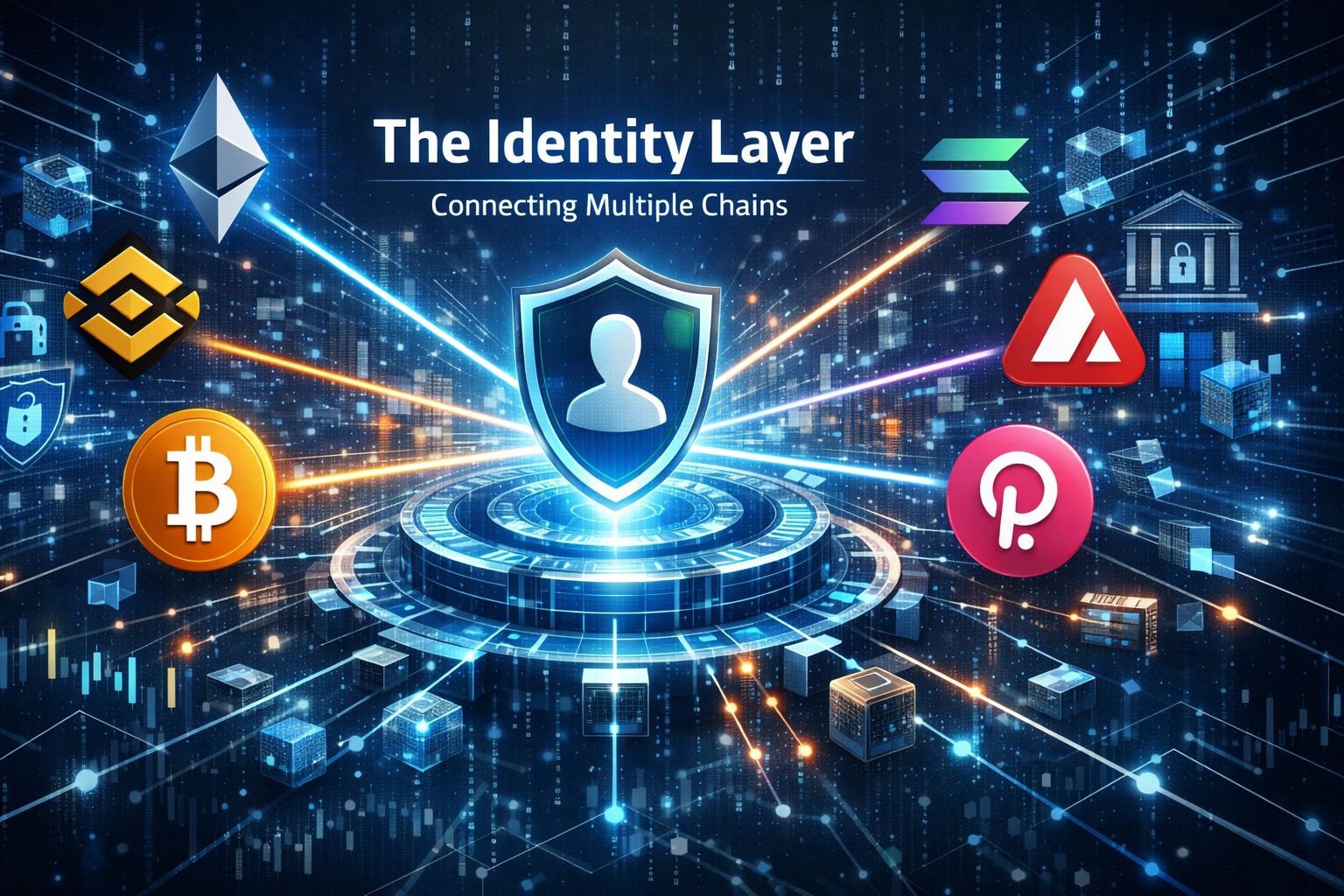
Comparing this direction with Ethereum Attestation Service immediately reveals a strategic divergence. EAS remains structurally close to Ethereum’s native environment, while zkAttestations is pursuing a wider cross-chain architecture designed to operate where multiple ecosystems need standardized verification. The first protocol that successfully defines schema usage beyond one dominant chain may inherit long-term protocol gravity.
That is where the real competitive war begins. Once schemas become common references across applications, the infrastructure that stores, verifies, and routes attestations starts collecting indirect influence over every connected product. At that stage, the protocol is no longer merely a service layer; it becomes embedded economic plumbing.
Infrastructure dominance has always looked boring in the early phase because the market usually rewards visible narratives first. Yet historically, the protocols controlling invisible standards often become more durable than those leading short-term hype cycles.
Still, the market currently prices speed far more aggressively than patience. Retail liquidity continues jumping between narratives that promise immediate volatility, because short speculative cycles deliver faster psychological reward than slow infrastructure adoption. Venture capital, however, often operates under a completely different horizon where five years of silence may still be acceptable if protocol dependency eventually forms.
That difference creates a brutal tension for $SIGN. The long-term infrastructure thesis sounds powerful, but token supply mechanics immediately complicate short-term valuation. Since the token launch in April 2025, circulating supply has expanded steadily through unlock schedules connected to early strategic funding rounds. This creates constant market absorption pressure.
At the current stage, network fee demand remains too limited to fully neutralize that inflation. A protocol can be fundamentally strong while still suffering prolonged price weakness if actual token utility grows slower than token availability.

This is why excellent technology alone never guarantees market comfort. Large funds can tolerate drawdowns because their objective is often strategic positioning rather than short-term exit timing. Retail participants usually approach the same chart with emotional expectations shaped by previous speculative rallies, which often leads to painful mispricing of risk.
On-chain behavior offers the cleanest signal. Testnet participation in massive numbers often creates early confidence, but many of those wallets historically belong to temporary reward seekers rather than durable network users. Once incentives disappear, only paid interaction reveals authentic demand.
If real decentralized applications begin paying repeatedly for attestations, signatures, and identity verification without subsidy, then protocol value starts becoming measurable beyond narrative.
The final question is therefore not whether the technology looks impressive on paper, but whether this infrastructure can survive long enough for real dependency to emerge before token pressure exhausts weaker holders.
If that transition succeeds, Sign may quietly secure one of the most underestimated positions in Web3 infrastructure. If it fails, it will join the long list of technically ambitious protocols that solved future problems before the market was ready to reward them.