
I've spent over ten years deep in the blockchain world, from the early Bitcoin days through the DeFi summer madness and everything since. And if there's one thing I've learned after watching thousands of projects come and go, it's this: for all the talk about decentralization and trustless systems, we still struggle with one simple thing proving what's actually true.
We can send value across the globe in seconds. We can execute complex financial agreements automatically. But when it comes to verifying someone's credentials, their history, or even basic eligibility for something, we keep falling back on clunky workarounds Discord bots, Google forms, centralized KYC, or just taking someone's word for it. It's this quiet inefficiency that holds everything back more than people realize.
 I felt this frustration personally during the crazy airdrop season in late 2023. I'd been active across multiple chains for weeks, connecting wallets, using protocols, and genuinely participating. When one particular project finally opened claims, they wanted proof of my activity. What should have been straightforward turned into a nightmare. I was copying transaction hashes, posting them in Discord channels, waiting days for manual reviews. Real users like me got flagged or delayed while sophisticated farmers gamed the system. Sitting at my desk at 3 a.m., exhausted and annoyed, I remember thinking: there has to be a better way. This experience pushed me to look harder for infrastructure that could actually solve this problem at its core.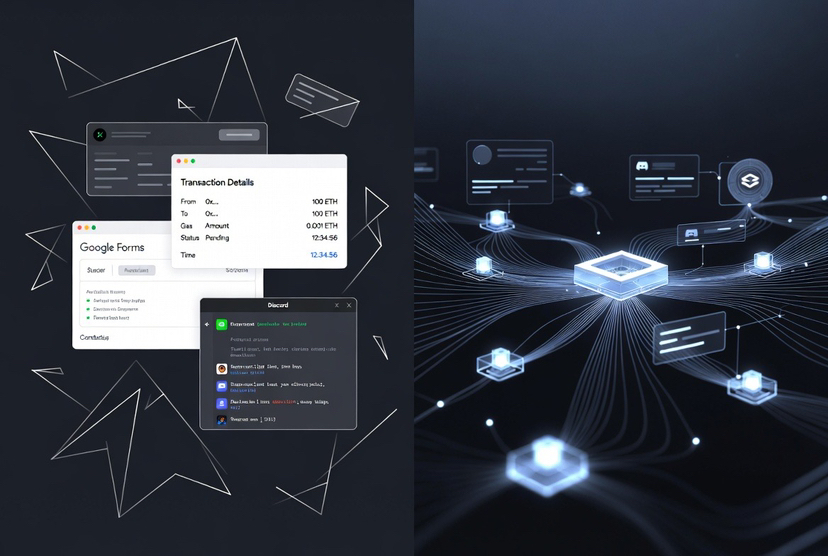
That's when I came across Sign Official. What drew me in wasn't hype or flashy marketing. It was how practical and well-thought-out their approach felt. They've built an omni-chain attestation protocol that works across pretty much every major network Ethereum, BNB Chain, Solana, Base, and others. At its foundation are two concepts that sound simple but change everything: schemas and attestations.
Think of schemas as standardized templates for what needs to be proven. An attestation is the actual cryptographic proof that says "yes, this wallet meets these conditions." These aren't stuck in one blockchain either. They can move between networks cleanly. Even better, they've integrated zero-knowledge proofs so you can prove something important like your contribution level or eligibility without exposing your private data. You generate the proof on your own device and only share what's necessary.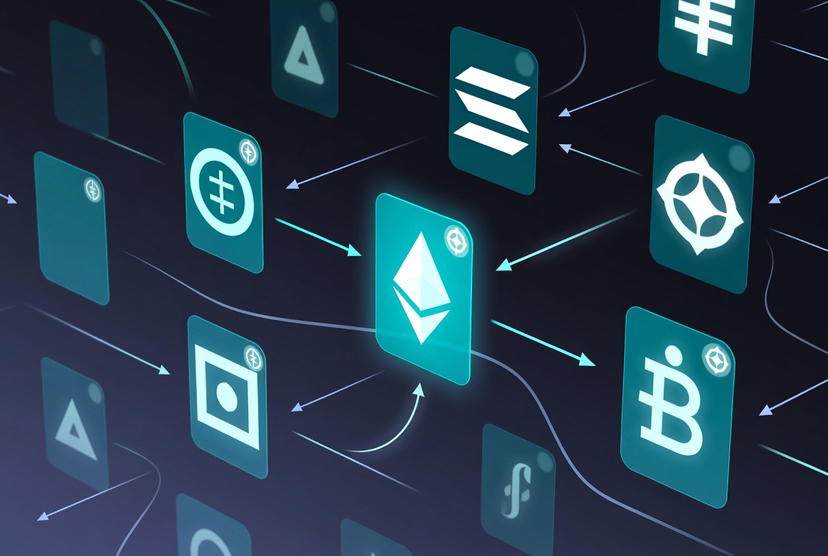
This matters more than it first appears. When verification becomes portable and private by default, people's behavior starts to change. Users are more willing to interact across different apps and chains because they don't have to rebuild their reputation every single time. Projects can design smarter incentive programs without worrying about massive sybil attacks. The whole ecosystem becomes more efficient.
One part I find particularly clever is their TokenTable product. Token distributions and vesting have always been messy in crypto. Teams promise fair unlocks but deliver opaque spreadsheets or sudden dumps that hurt everyone. TokenTable ties distributions directly to these attestations through smart contracts. You can create transparent schedules where only wallets that meet certain verified conditions can claim tokens at specific times. Everything is auditable on-chain. From what I've observed, projects using this approach tend to attract more genuine long-term participants instead of quick flippers.
The SIGN token itself is designed with real utility in mind. It has a fixed supply and significant community allocation. It powers governance decisions about how the protocol evolves, helps secure the network through staking, and gives access to advanced features as usage grows. What I respect is how the team set it up so that actual protocol activity drives value back to token holders rather than relying on pure speculation. Revenue from enterprise use cases and high-volume attestations gets cycled back into the system.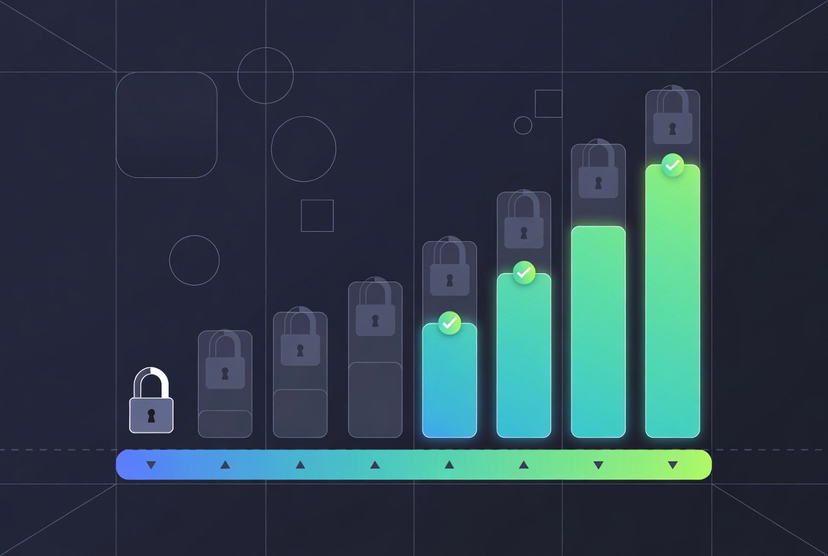
We're seeing interesting real-world momentum too. Some governments, especially in emerging markets, are exploring Sign for digital identity programs and asset tokenization at national levels. These aren't small experiments. They're looking at blockchain as a neutral infrastructure layer for issuing verifiable credentials to millions of people while keeping sensitive data private. It's the kind of bridge between traditional systems and web3 that feels genuinely important.
Looking back at that frustrating night in 2023, I realize how much has changed in a short time. Sign didn't try to reinvent the wheel or promise to fix every problem in crypto. Instead, they focused on making one critical piece verification work the way it should in a decentralized world.
In the end, this is what keeps me excited about this space. Not the flashy price charts or viral narratives, but these quiet infrastructure improvements that slowly make the whole ecosystem more usable for real people. When trust becomes something you can prove cryptographically yet still protect privately, we unlock possibilities we haven't even imagined yet. And that, to me, is where the real revolution quietly begins.
#SignDigitalSovereignInfra $SIGN
