
Punjab is the most populous and second-largest province in Pakistan. The name literally means "Land of Five Rivers" (from the Persian words panj for five and aab for water), referring to the Jhelum, Chenab, Ravi, Sutlej, and Beas rivers.
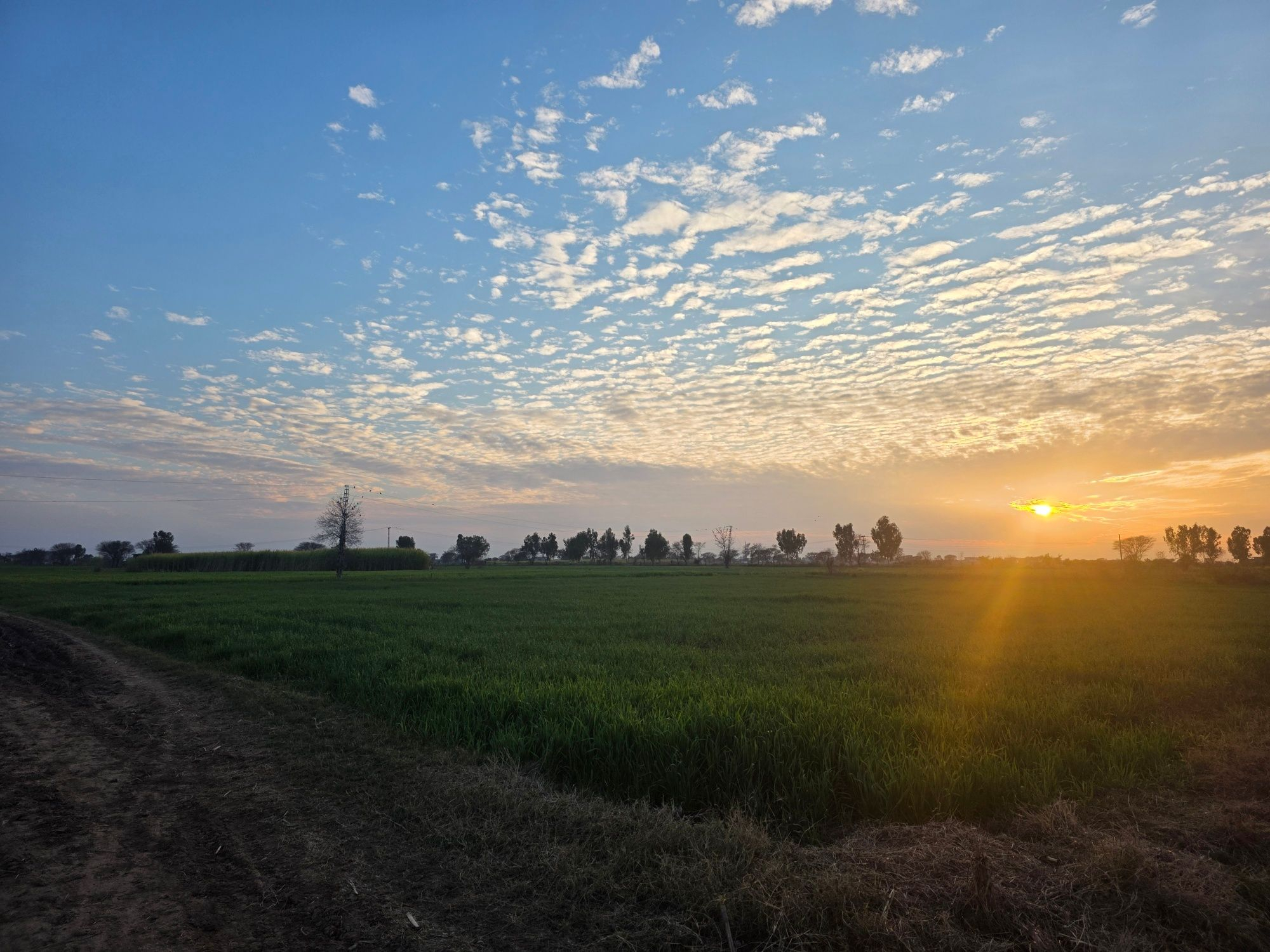
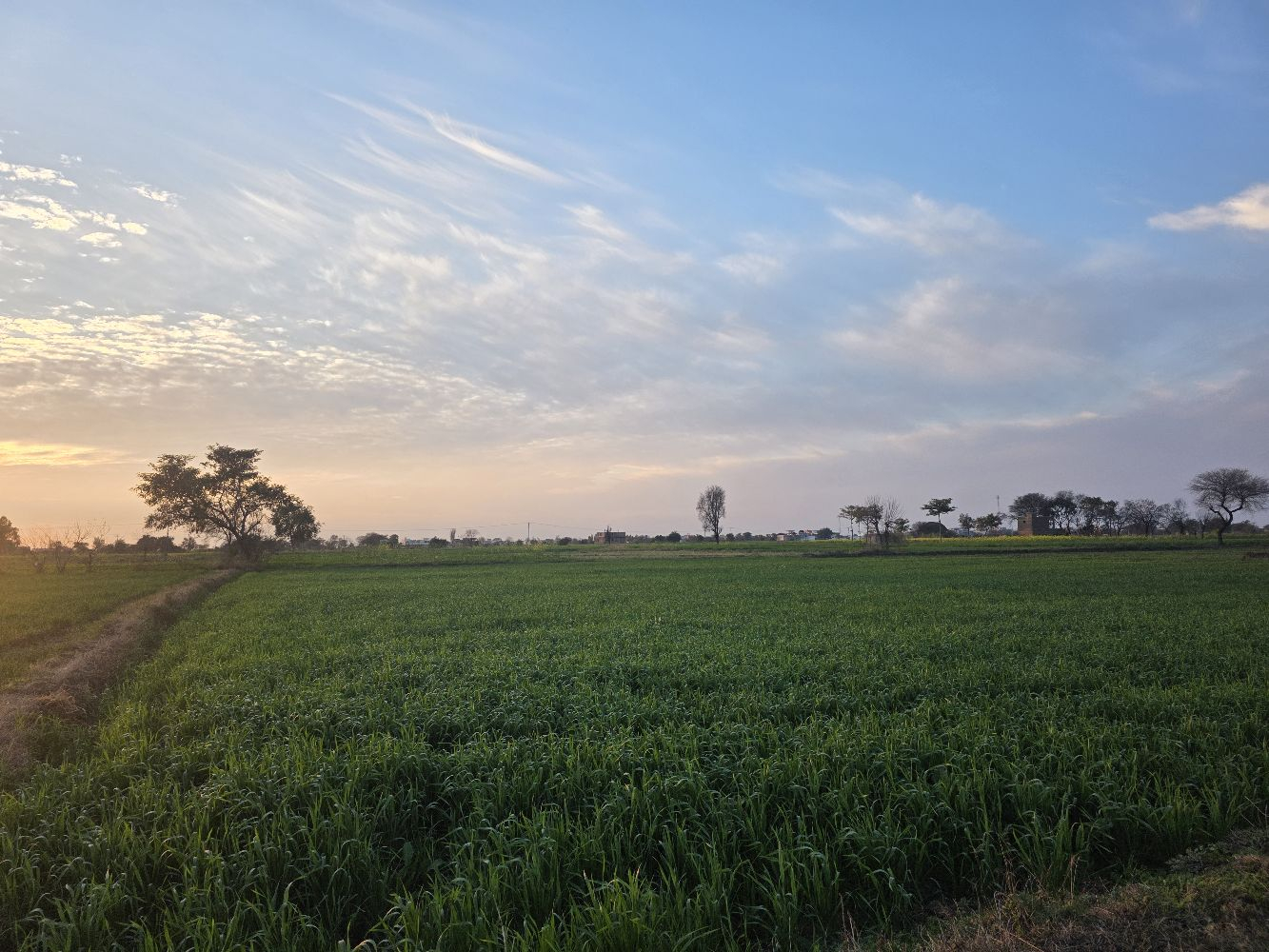
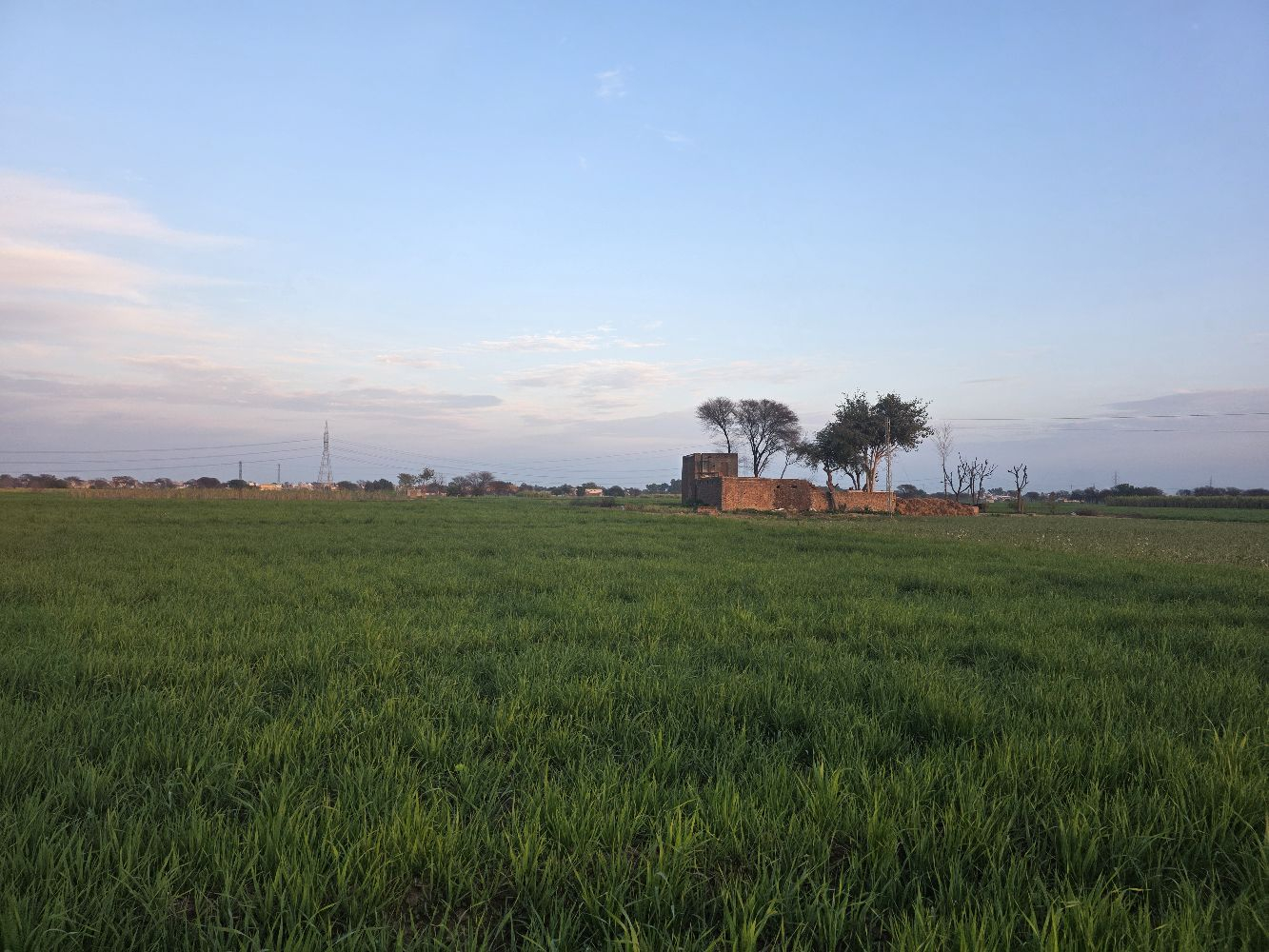
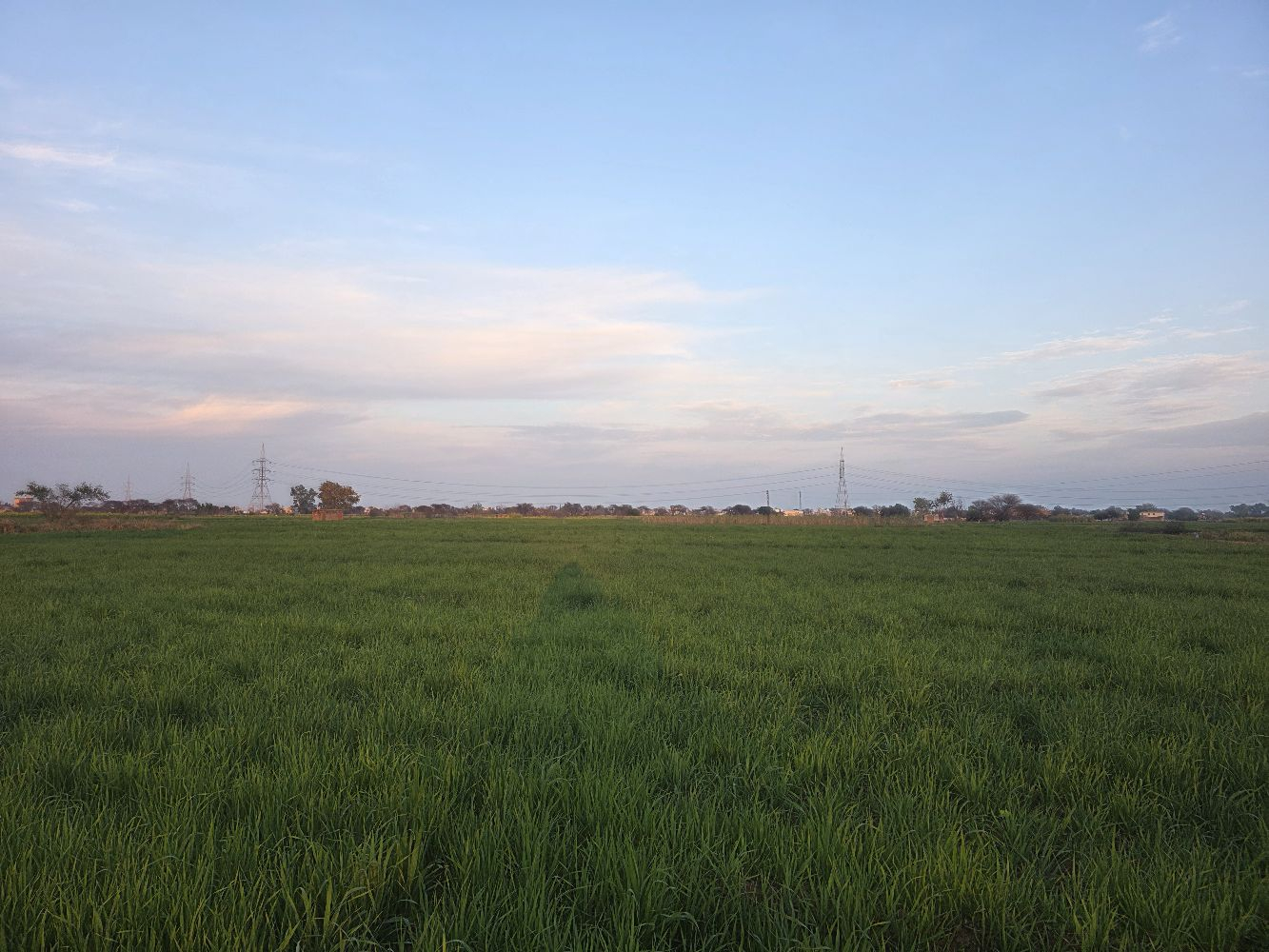
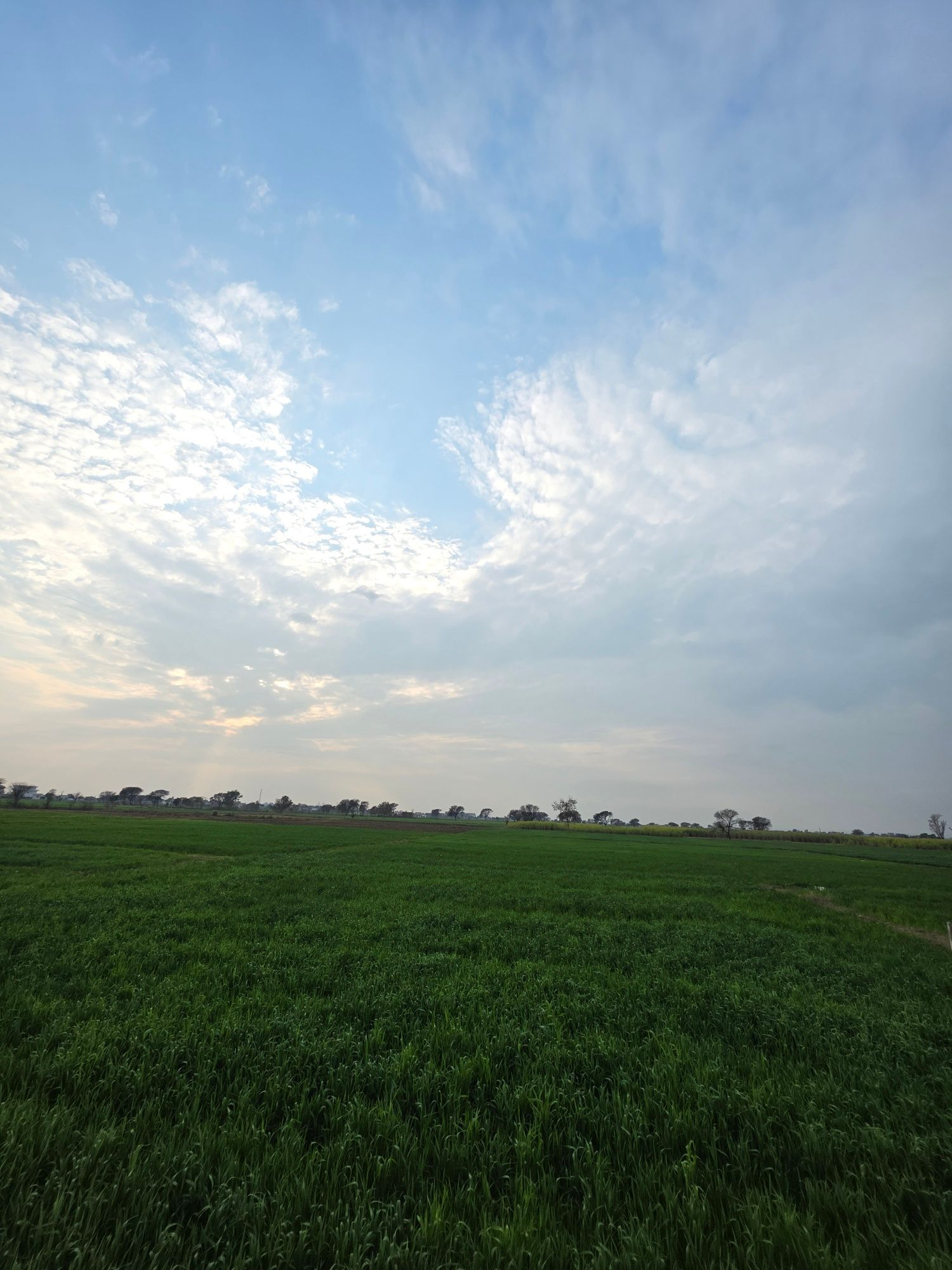
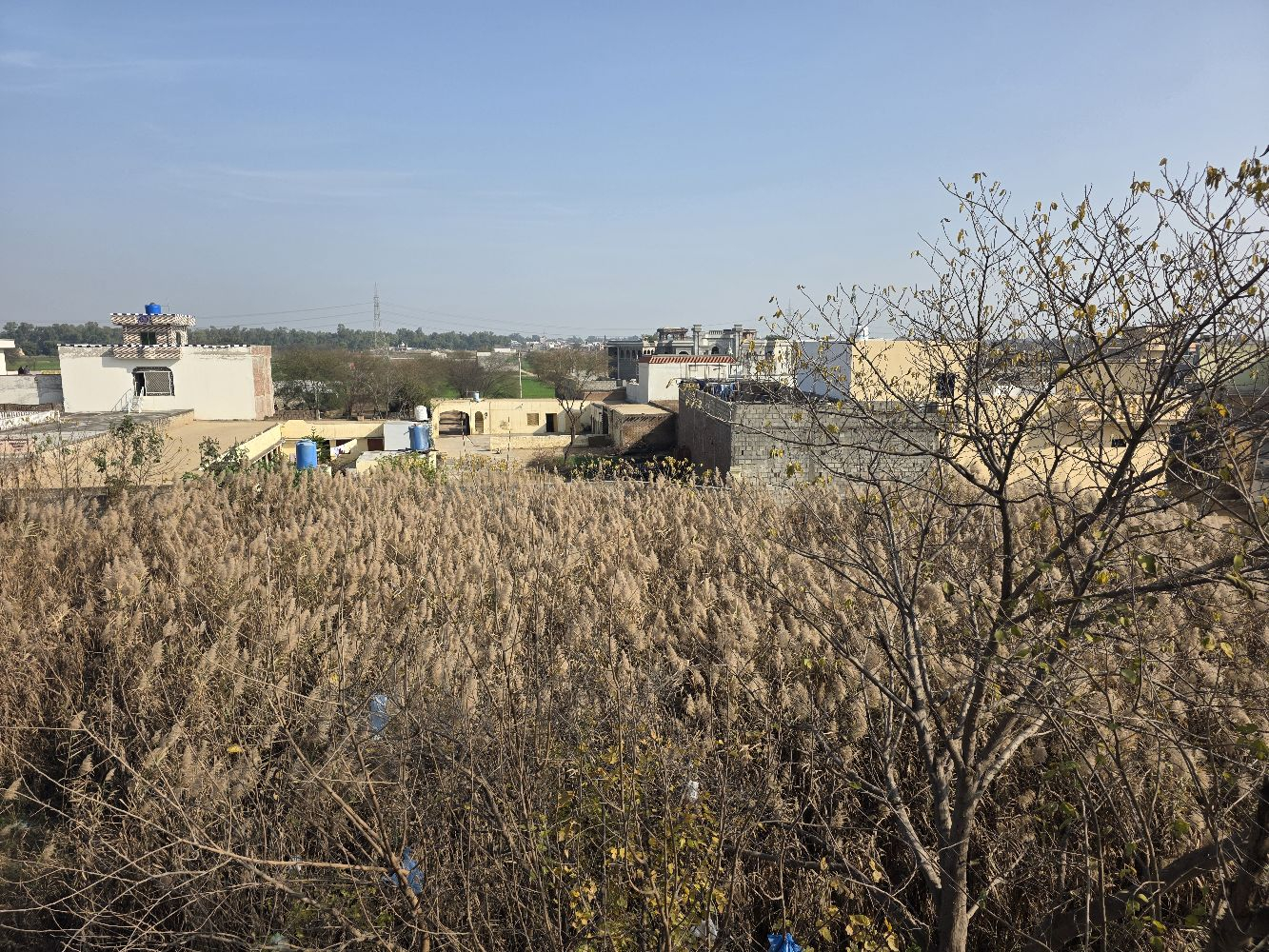
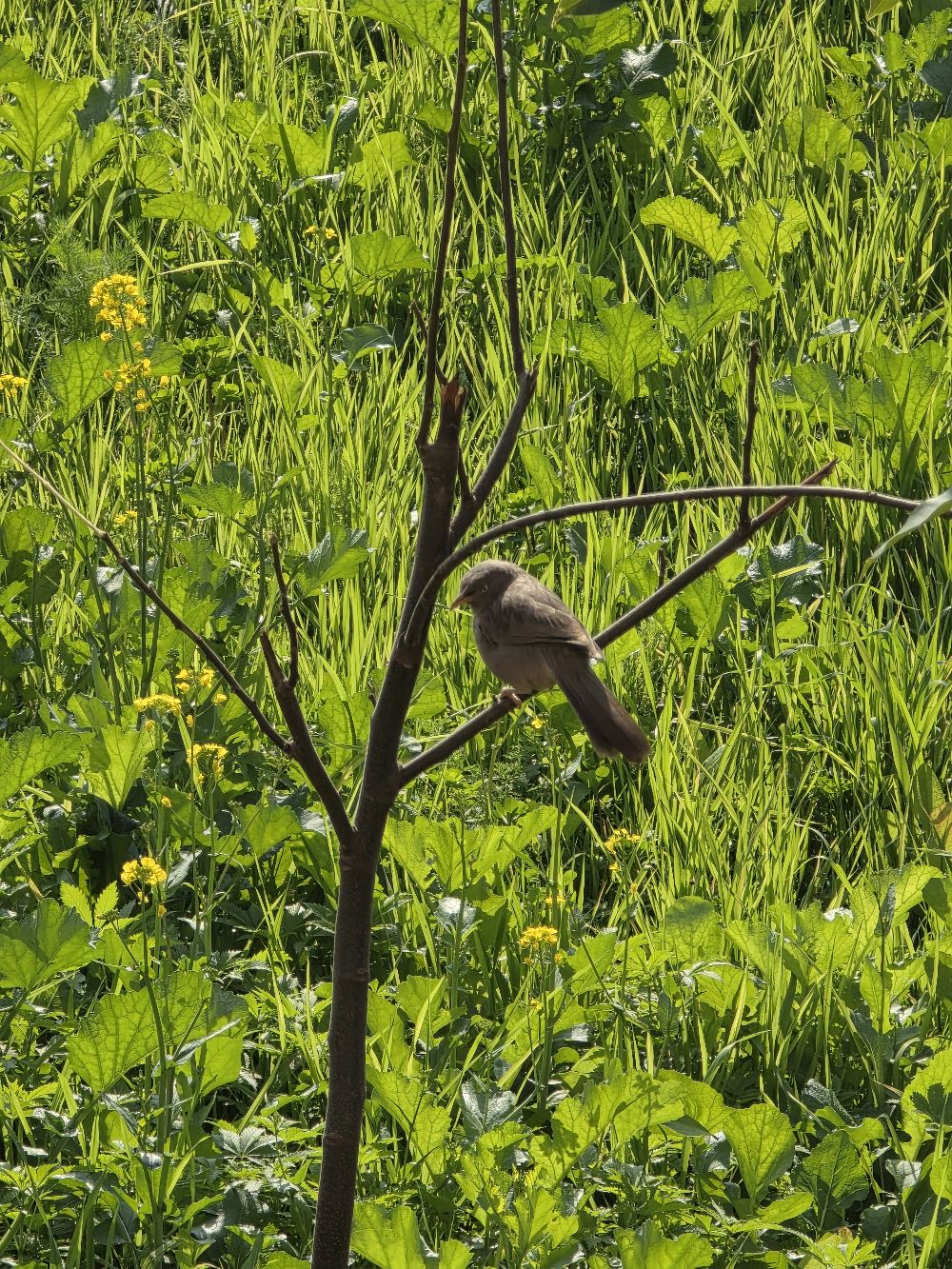
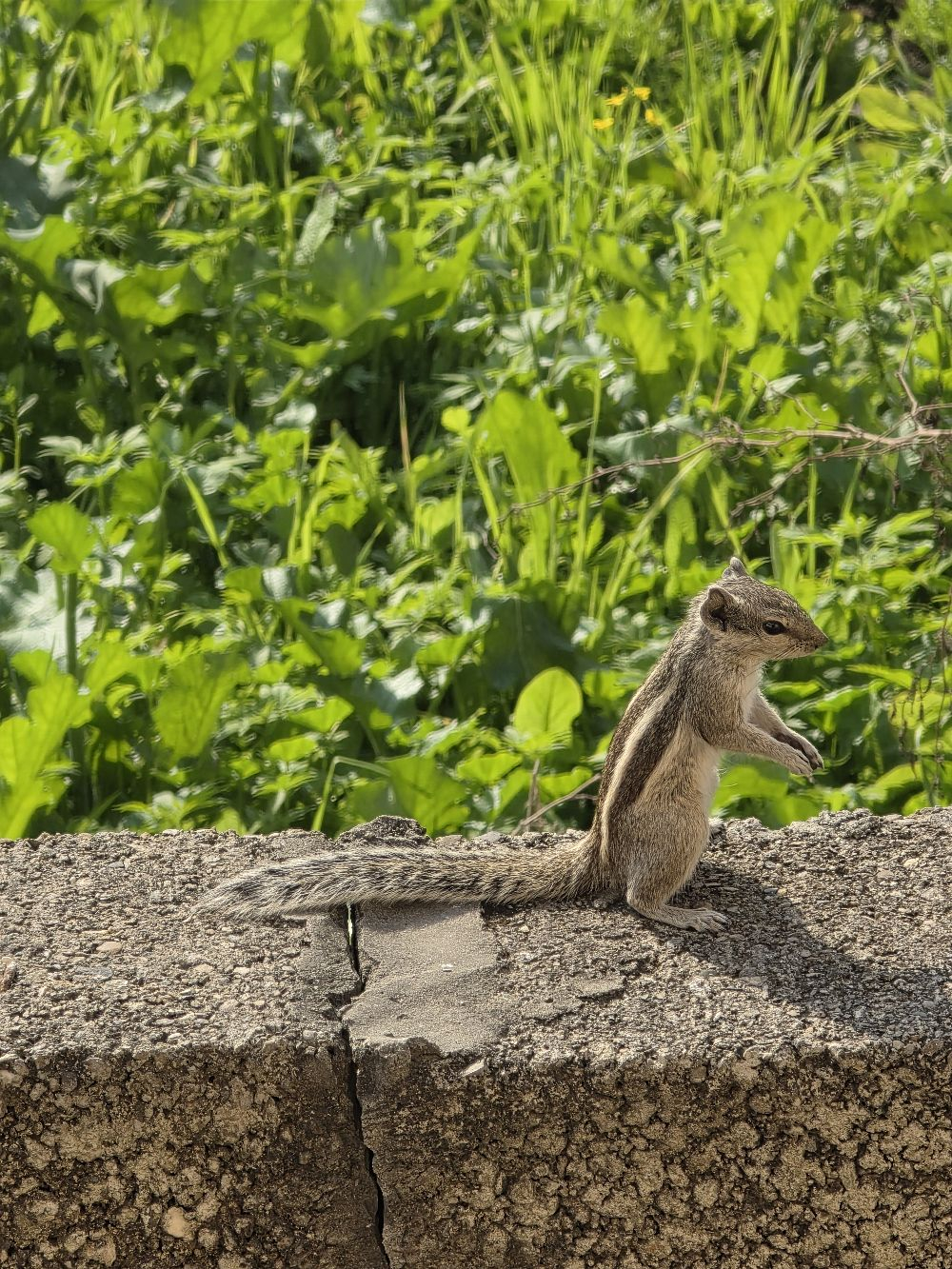
Based on the beautiful landscape photos you shared, you are likely already familiar with its lush, fertile plains. Here is some more detailed information:
### Geography & Agriculture
Punjab is the agricultural backbone of Pakistan. Its fertile soil and extensive canal system make it the country's "breadbasket."
Main Crops: Wheat, rice (especially Basmati), cotton, and sugarcane.
Climate: It experiences extreme temperatures—very hot summers (often exceeding 45°C) and cool, misty winters. The monsoon season from July to September is crucial for the green fields seen in your photos.
### Major Cities
Punjab is home to several of Pakistan’s most vital urban centers:
Lahore: The provincial capital and cultural heart of Pakistan. It is famous for Mughal landmarks like the Badshahi Mosque and Lahore Fort.
**Faisalabad: Known as the "Manchester of Pakistan" due to its massive textile industry.
Rawalpindi: A major military and industrial hub, located right next to the capital, Islamabad.
Multan: The "City of Saints," famous for its ancient Sufi shrines and blue pottery.
Sialkot: A global leader in manufacturing sports goods (like FIFA World Cup footballs) and surgical instruments.
### Culture & Heritage
Language: While Urdu is the national language, Punjabi is the native tongue of the majority.
Cuisine: Known for rich, flavorful dishes like Sarson da Saag (mustard greens) with Makki di Roti (cornbread), and tandoori specialties.
History: The region has deep historical roots, from the ancient Indus Valley Civilization (the ruins of Harappa are in Punjab) to the Mughal Empire and the British Raj.
Would you like me to find information on a specific district in Punjab, or perhaps look up the best time of year to visit certain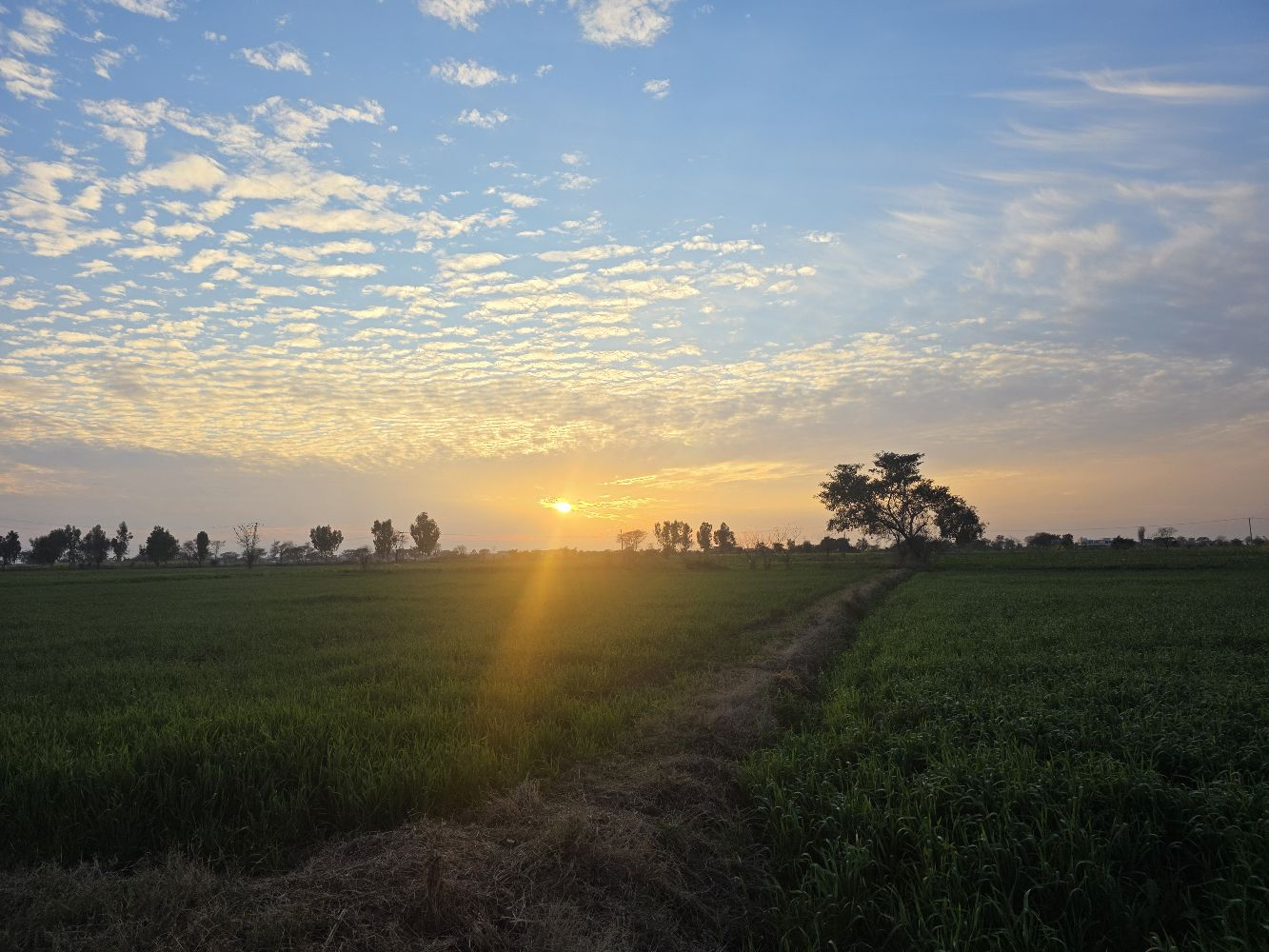
 landmarks there?