The life of a village in Punjab, Pakistan, is a vibrant tapestry of ancient traditions, deep-rooted social bonds, and a landscape dominated by the rhythmic cycles of agriculture. Often referred to as the "breadbasket" of the country, rural Punjab is where the soul of the province truly resides.
The Daily Rhythm: From Dawn to Dusk
In the villages of Punjab, the day begins before sunrise. The first call to prayer (Fajr) from the local mosque serves as a natural alarm for the community.
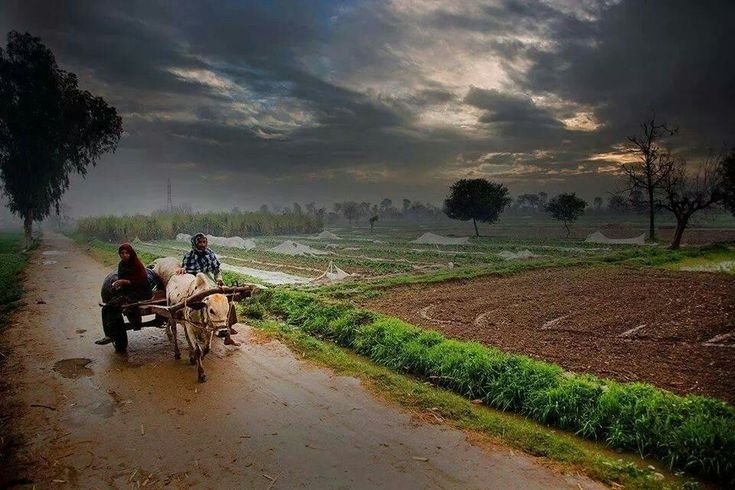
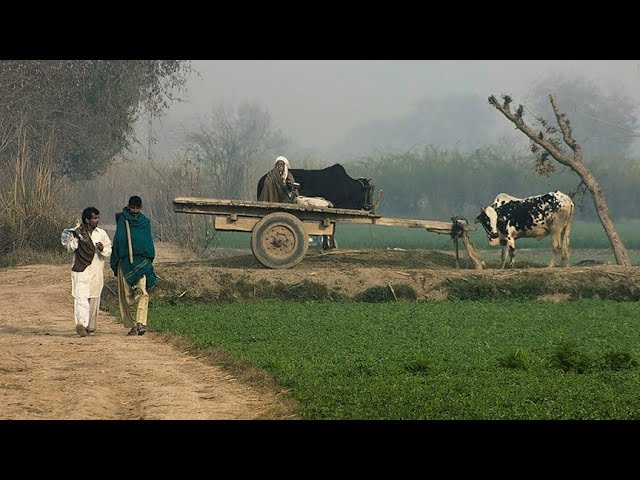
Morning Labor: Men typically head to the fields early, often accompanied by their livestock. The sight of farmers guiding bull-driven plows or modern tractors against a rising sun is a quintessential Punjabi image.
Domestic Life: Women manage the household, which often involves milking cows or buffaloes and preparing a hearty breakfast. A staple start to the day usually includes fresh paratha with homemade butter and a large glass of Lassi (a yogurt-based drink).
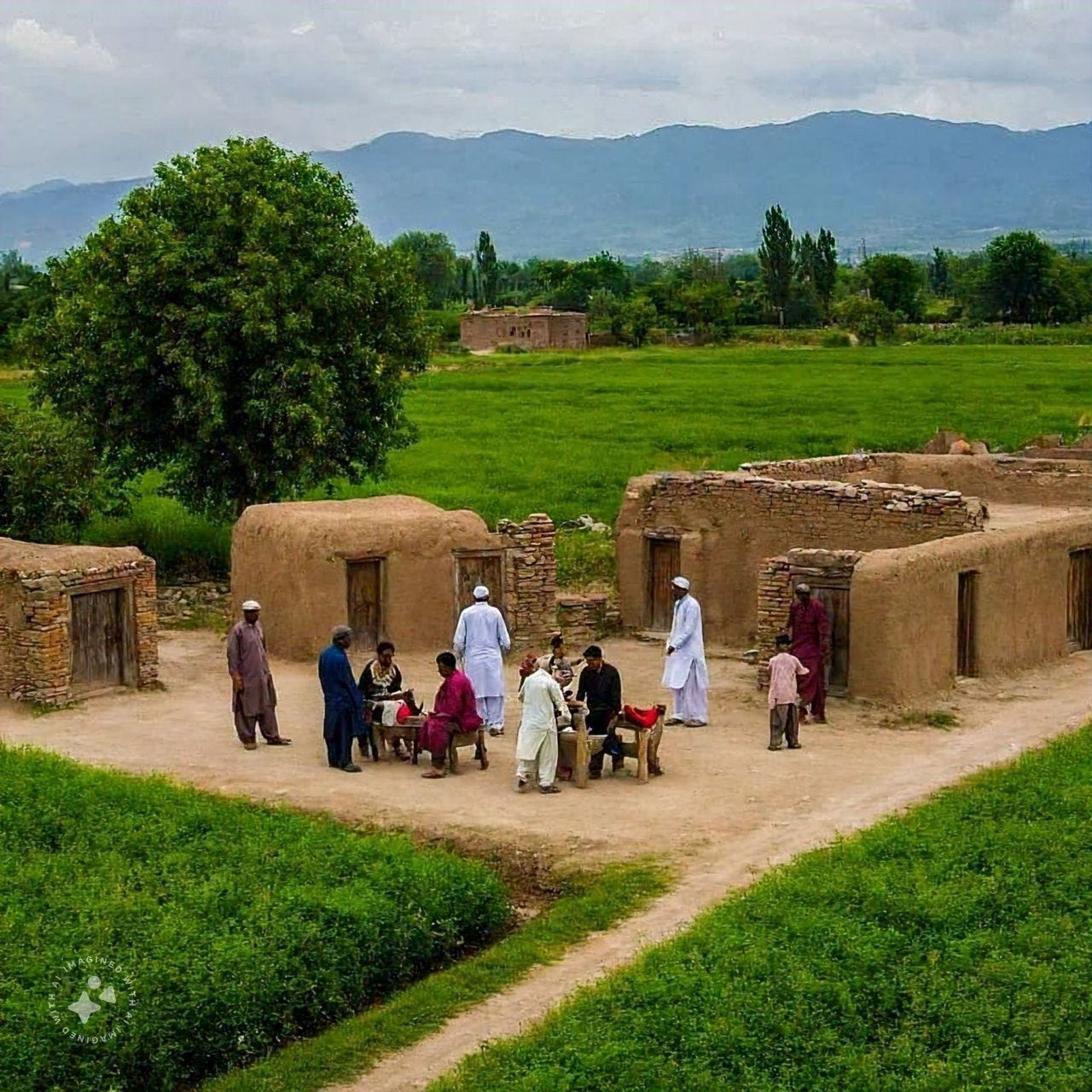
The Afternoon "Chopal": During the heat of the day, men often gather under the shade of a large Banyan or Pipal tree. This gathering, known as a Chopal or Baithak, is the village's social headquarters where elders discuss community matters, politics, and local news over hookahs.
Agriculture: The Lifeline
Agriculture isn't just a profession in Punjab; it is a way of life. The province’s fertile plains are fed by an extensive canal system, making it one of the most irrigated regions in the world.
Major Crops: Depending on the season, the horizon is filled with golden wheat (Rabi) or lush green rice and sugarcane (Kharif).
Livestock: Owning cattle is a sign of prosperity. Buffaloes and cows provide dairy for the family and an additional source of income through the sale of milk.
Seasonal Festivals: The harvest is celebrated with immense joy. Baisakhi marks the wheat harvest, often accompanied by the energetic beats of the Dhol and traditional Bhangra dancing.
Culture, Cuisine, and Community
Punjabi village culture is defined by Baradari (brotherhood) and a fierce sense of hospitality.
Feature
Description
Traditional Attire
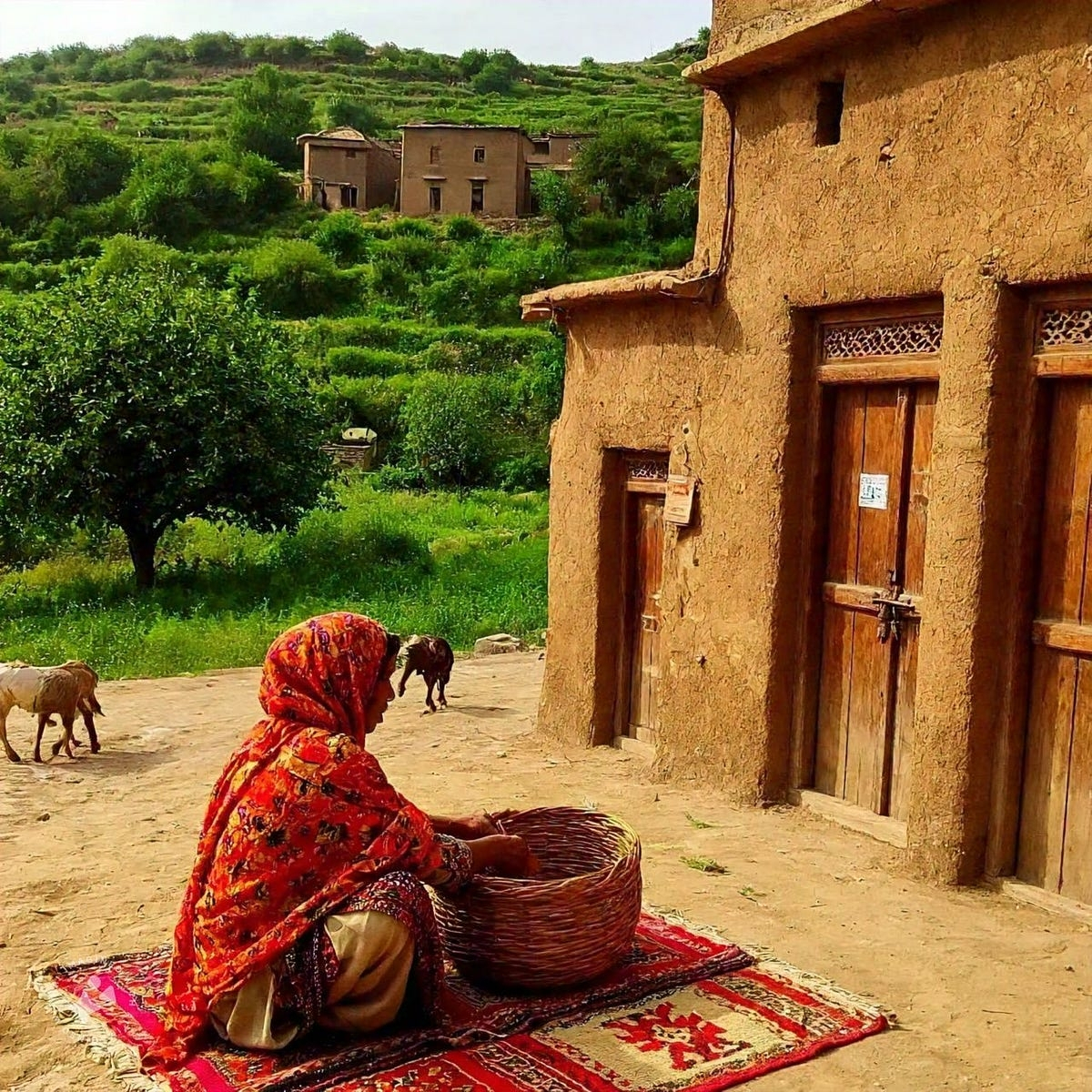
Men usually wear a Kurta with a Lacha (wraparound cloth) or Shalwar, topped with a Pagri (turban). Women wear vibrant Shalwar Kameez with intricately embroidered Phulkari dupattas.
Cuisine
Beyond Lassi, the most iconic meal is Sarson ka Saag (mustard greens) served with Makki ki Roti (cornbread) and a dollop of desi ghee.
Architecture
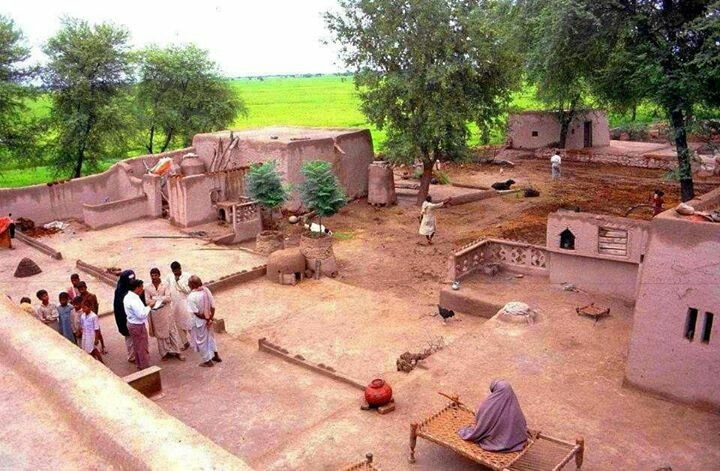
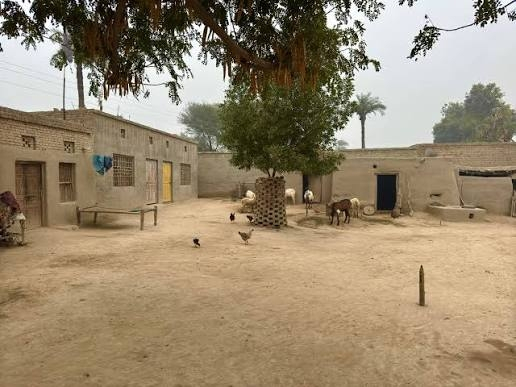
Many homes are still made of traditional mud bricks, which provide natural insulation against the intense summer heat, though concrete "pukka" houses are becoming more common.
Folk Tales
Evenings are often spent listening to the legendary romantic tragedies of the region, such as Heer Ranjha or Sohni Mahiwal.
A Landscape in Transition
While tradition remains strong, the modern world is steadily making its mark on rural Punjab.
Technological Shift: Hand-drawn water wheels (rehat) are largely replaced by electric tube wells, and smartphones are now a common sight in the hands of young farmers.
Infrastructure: Improved roads are closing the gap between the village and the city, allowing for better access to education and healthcare.
Migration: Many young men migrate to urban centers like Lahore or Faisalabad, or abroad to the Gulf, sending back remittances that are transforming village skylines with modern, multi-story homes.
Despite these changes, the essence of the Punjab village—its warmth, its attachment to the land, and its slow, purposeful pace—remains a foundational part of Pakistan’s national identity.
Would you like me to look into specific Punjabi folk festivals or perhaps a traditional recipe for Sarson ka Saag?