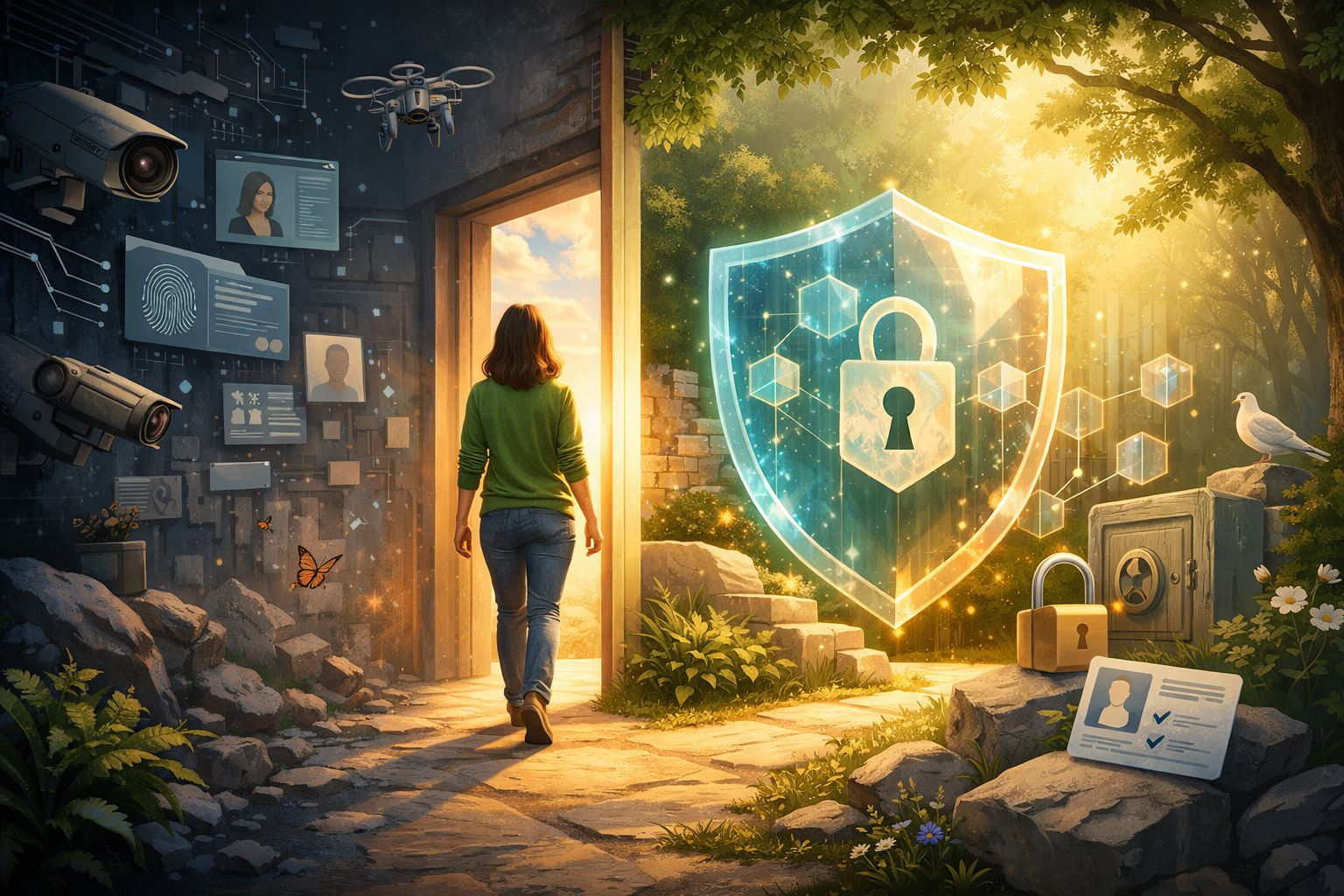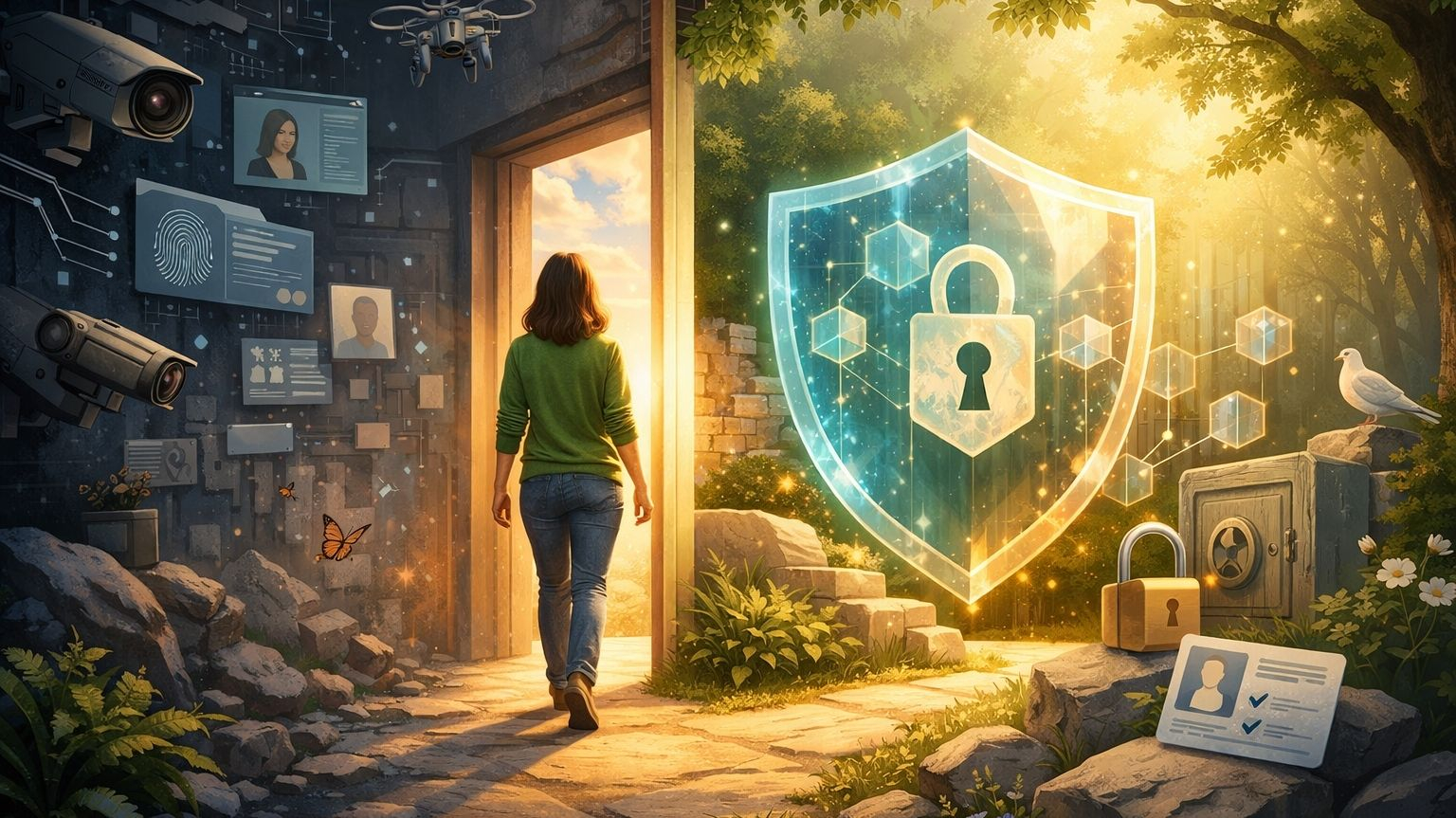

Most people do not wake up in the morning thinking about privacy technology. They think about getting through the day, paying for things, signing into apps, protecting their money, and using the internet without feeling like they are constantly being watched. But whether they realize it or not, that feeling of being watched has become one of the defining conditions of modern digital life.
Almost every service asks for more than it truly needs. More personal information. More visibility. More access. Somewhere along the way, we accepted the idea that if we wanted convenience, we had to become transparent. If we wanted digital services to work well, we had to let systems know everything about us.
That has never been a fair trade.
This is why a blockchain built with zero-knowledge proof technology feels important in a different way. Not because it sounds advanced. Not because it belongs to the next wave of crypto innovation. But because it reflects something deeply human: the desire to be part of the digital world without handing over pieces of yourself every time you interact with it.
At its core, the value of this kind of blockchain is simple. It allows people to prove what needs to be proven without exposing everything behind it. That changes the tone of the relationship between user and technology. Instead of saying, “Show me everything so I can trust you,” the system says, “Show me only what is necessary.”
That difference matters more than it may seem.
For too long, digital systems have been built around the assumption that usefulness depends on access to our data. The more they know, the better they can verify, personalize, and control. But that model has created a world where participation often comes at the cost of comfort. People may be using the tools, but they are rarely at ease with how much they have to reveal in the process.
Even in blockchain, where people talk constantly about freedom and ownership, there has been a contradiction hiding in plain sight. Yes, users can hold their own assets. Yes, they can move value without relying on traditional gatekeepers. But if their transactions, patterns, and behaviors are exposed in the process, then that freedom feels incomplete. Ownership is not just about holding something. It is also about deciding who gets to know what about it.
That is where zero-knowledge technology becomes more than a technical upgrade. It becomes a kind of digital respect.
It respects the idea that a person should not have to make themselves fully visible just to participate. It respects the idea that privacy is not suspicious. It respects the fact that people have boundaries, and that those boundaries should still exist online.
There is something deeply reassuring about technology that does not demand total access. It feels less aggressive. Less extractive. More thoughtful. It recognizes that trust should not require overexposure. It understands that protection is not about secrecy for its own sake, but about preserving a sense of control.
And control is what so many people feel they have lost online.
A blockchain using zero-knowledge proofs offers a different experience. It says you can interact, transact, verify, and belong without putting all your details on display. You can use the system without feeling like the system is taking more from you than it gives back. You can hold on to your ownership in a fuller sense, not just of your assets, but of your information too.
That is what makes this technology feel human. It is not trying to turn people into data sources. It is not asking them to choose between usefulness and dignity. It is building around a quieter but more meaningful principle: that people deserve tools that work for them without demanding unnecessary access to their lives.
In many ways, that should have been the standard all along.
The internet has spent years teaching people to lower their expectations around privacy. To click accept. To share a little more. To assume that visibility is the price of modern life. But people are tired of that arrangement. They are tired of feeling exposed. Tired of wondering who can see what. Tired of realizing that convenience often comes wrapped in compromise.
A zero-knowledge blockchain speaks to that exhaustion without shouting. It offers a calmer alternative. A smarter one. A more respectful one.
It does not ask users to disappear. It simply gives them room to exist without being constantly uncovered.
That may sound like a small shift in design, but it carries a much bigger emotional truth. People do not just want better technology. They want technology that treats them better.
And perhaps that is the real promise here. Not just stronger privacy. Not just better ownership. But a digital system that finally understands something very basic about human beings: we all need space, we all need agency, and we all deserve boundaries.
@MidnightNetwork #night $NIGHT