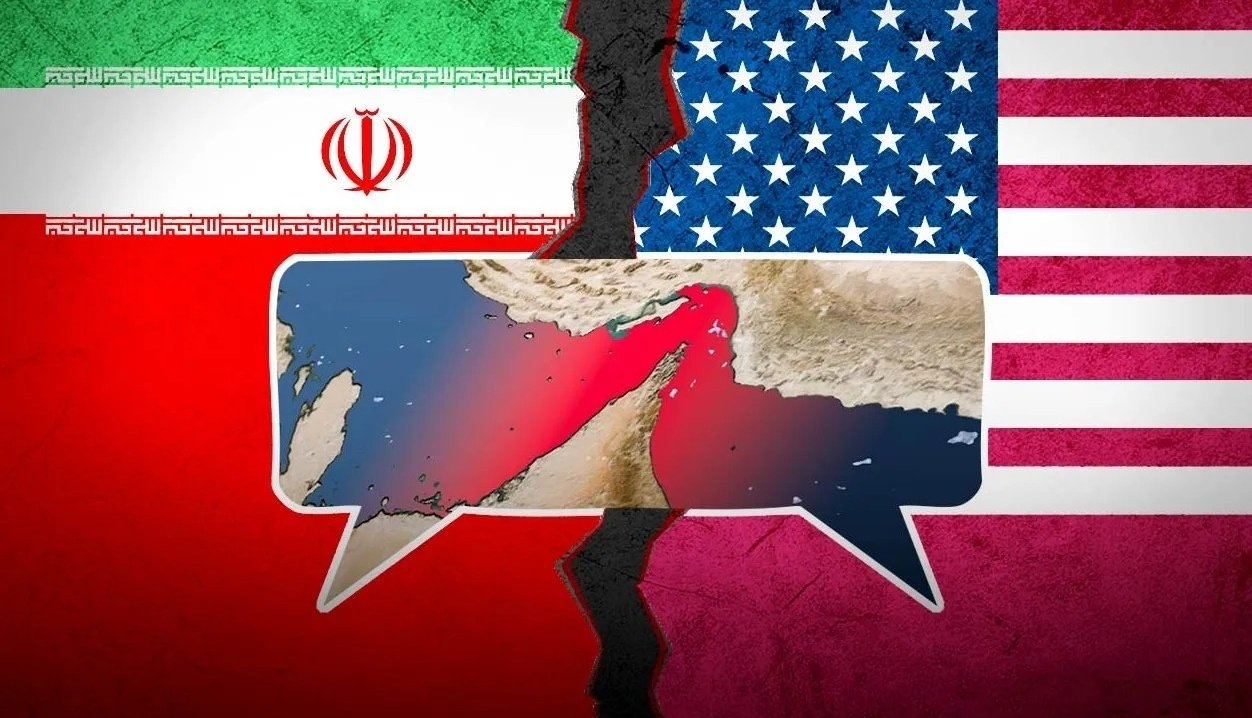
Tensions in the Middle East appear to be entering a more dangerous phase, as recent statements from Iranian officials suggest that the coming days could mark a decisive turning point. According to these remarks, Iran anticipates a “fierce, large and decisive battle,” indicating not only heightened readiness but also a willingness to engage in a broader confrontation.$BTC

The Iranian Armed Forces are said to have undertaken extensive preparations, particularly with regard to potential engagement with American forces. While such rhetoric is not unprecedented in the region’s long history of geopolitical friction, the specificity and scale implied in these statements point to a scenario that may extend beyond conventional posturing$ETH .

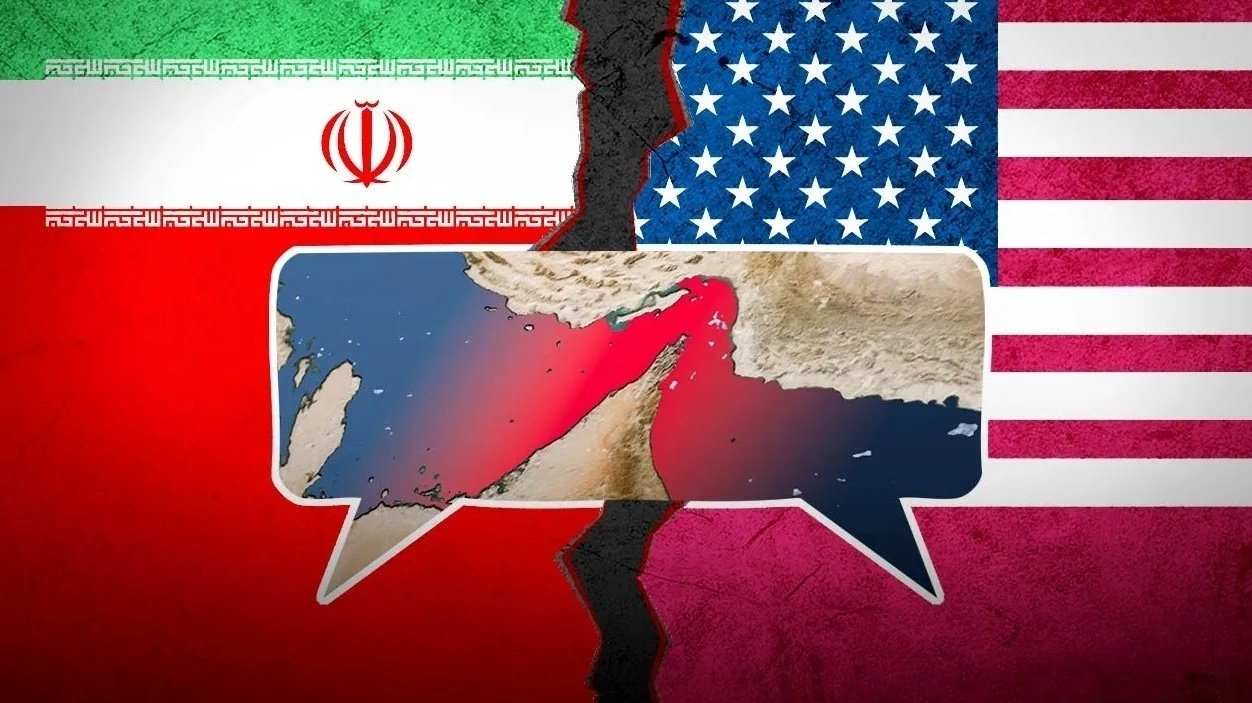
Of particular concern is the reference to changing “rules of war” in the Strait of Hormuz. This narrow but strategically vital waterway serves as one of the world’s most critical النفط transit routes. Any disruption here would not only have regional implications but could also trigger significant global economic consequences, especially in energy markets. A shift in operational norms in this corridor suggests the possibility of unconventional tactics, increased naval friction, or even attempts to restrict maritime passage.