

Some ideas don’t land all at once. They circle you for a while, soft and unfinished. I still remember trying to explain blockchain credentials to someone who had never thought about any of this before. In my head, it felt easy. A record you can trust. Something no one can quietly change. Something you can carry anywhere. But then they asked, gently, “Who controls it?” And I paused longer than I expected.
That pause stayed.
Because the question wasn’t about the system. It was about how we understand trust. We’re used to trust being held somewhere. In an office, a database, a person behind a desk. There’s comfort in knowing where to point. So when something comes along that doesn’t sit in one place, it feels a little harder to hold onto, even if the idea itself is simple.
That’s where something like SIGN begins to make sense to me, not as a big promise, but as a quiet shift. It focuses on the small things we deal with every day proof, identity, records and asks if they can exist in a way that feels more natural in a digital world. Not locked away. Not scattered. Just… accessible, in a way that still feels safe.
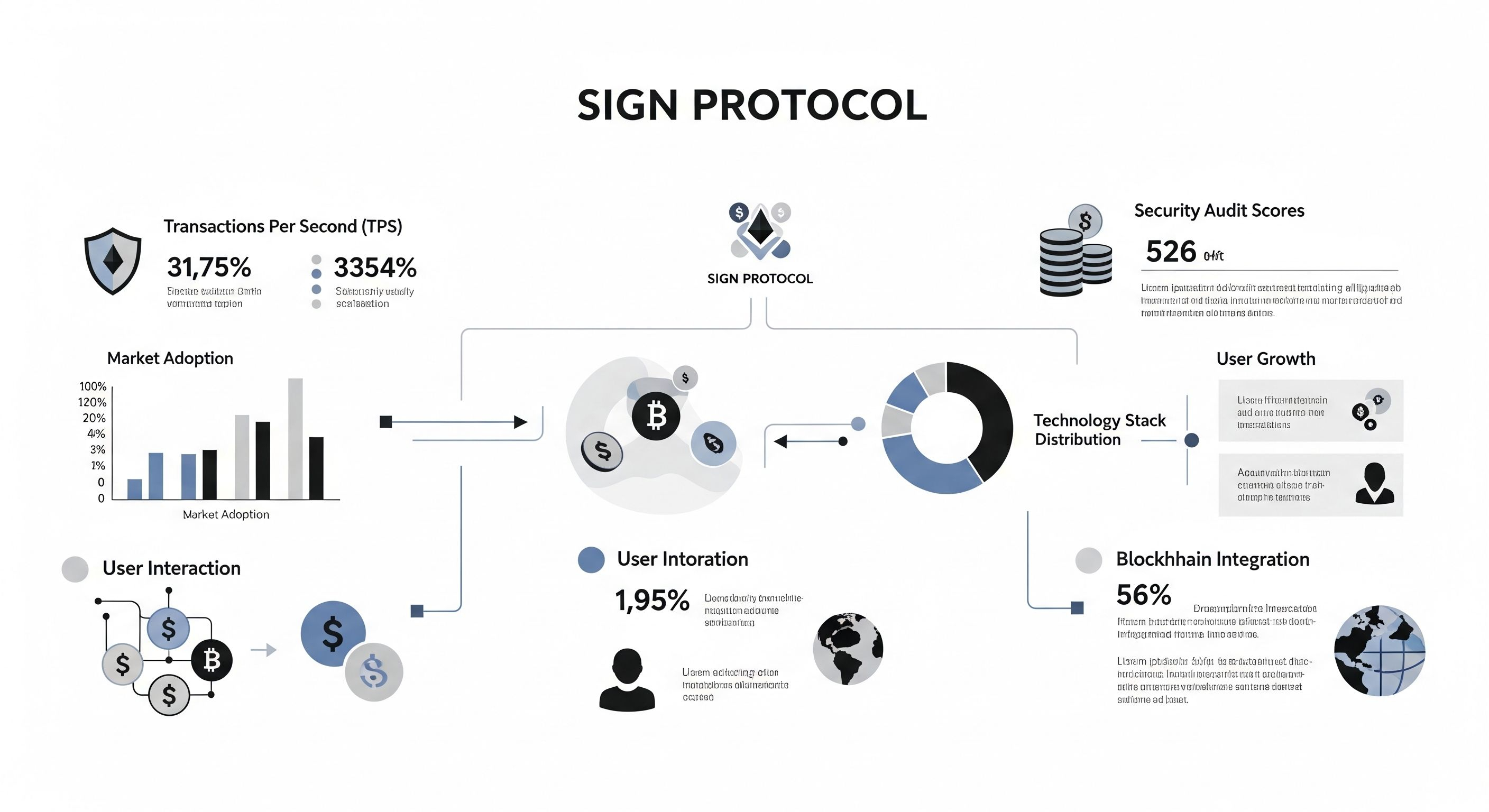
If I try to explain it now, I wouldn’t start with the technology. I’d say it’s about turning moments of truth into something you can keep. A certificate. A claim. A record of something you’ve done or been given. Instead of living in one system, it becomes something you can show when needed, and it still holds its meaning. It doesn’t have to travel back to its source to be believed. It carries that trust with it.
There’s something quietly reassuring in that idea.
Because if it becomes real in everyday life, it changes how things feel. You’re not constantly asking someone else to confirm your story. You’re holding a piece of it yourself. It’s a small shift, but it moves things a little closer to the individual. A little closer to ownership, in a way that feels calm, not disruptive.
And what makes it feel even more grounded is the understanding that not everything should be visible. Some things are meant to stay private. Some things are shared only when necessary. The ability to choose—to reveal just enough, at the right time—makes the whole system feel less mechanical and more human. It respects the way we already live.
I think we’re starting to see the edges of this change. Not in a loud or dramatic way, but in quiet steps. Different systems exploring how identity can move more freely. New ways of thinking about records that don’t depend on a single place. It’s slow, but it feels steady. Like something finding its shape over time.
And I still come back to that question sometimes. Who controls it?
The answer doesn’t feel as heavy as it once did. It’s not about one person or one system holding everything together. It feels more shared now. More balanced. Like control is slowly becoming something you carry, rather than something you have to reach for.
Maybe that’s why this idea lingers. Not because it changes everything overnight, but because it gently changes how things could feel. A little more open. A little more personal. A little more yours.