
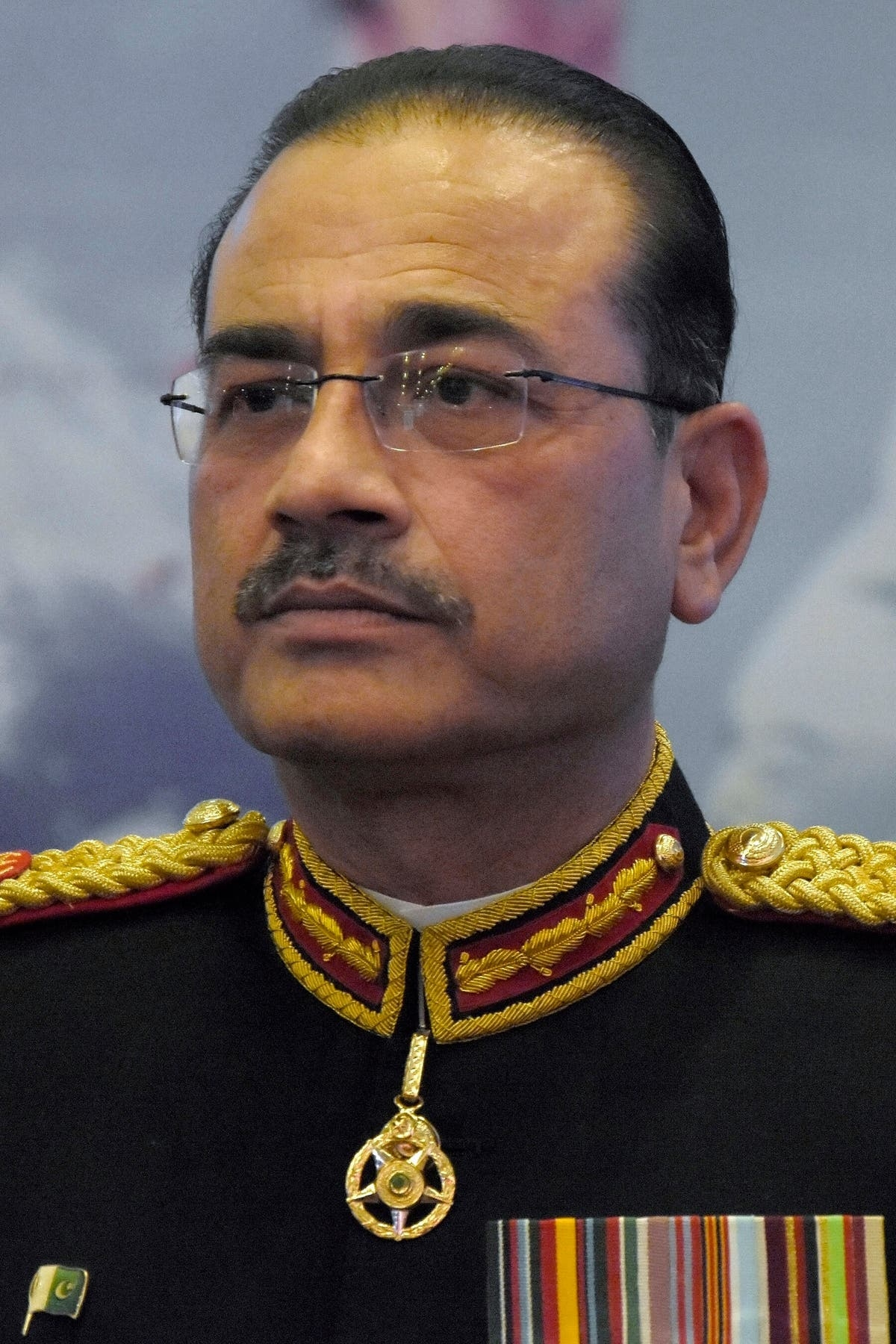
This report examines the recent diplomatic maneuverings of Pakistan’s Chief of Army Staff (COAS), Field Marshal Asim Munir, and his pivotal role in mediating between the United States and Iran under the administration of President Donald Trump.
Executive Summary
In March 2026, Pakistan emerged as a central mediator in the escalating conflict between the United States, Israel, and Iran. Leveraging a unique personal rapport with President Donald Trump and longstanding ties with Tehran, General Asim Munir has positioned Islamabad as a "diplomatic bridge." This shift marks a significant evolution in Pakistan's strategic standing, moving from a regional security actor to a global crisis manager.
The "Favorite Field Marshal": The Trump-Munir Dynamic
The foundation of Pakistan's mediation role is the uncharacteristically warm relationship between President Trump and General Munir.
Direct Access: Unlike previous military chiefs, Munir has engaged in high-level, solo interactions with Trump. In 2025, he became the first Pakistani Army Chief to be hosted for a private lunch at the White House without accompanying civilian officials.
Strategic Trust: Trump has publicly referred to Munir as his "favorite field marshal" and an "outstanding man." This trust was solidified in May 2025 when Pakistan credited Trump for defusing a four-day conflict with India and subsequently nominated him for the Nobel Peace Prize.
Security Cooperation: The relationship was further bolstered when Munir’s administration oversaw the handover of a high-profile mastermind of the 2021 Kabul airport bombing, an act for which Trump publicly thanked Pakistan.
Pakistan’s Mediation Gambit
Following a phone call between General Munir and President Trump on March 22, 2026, a flurry of diplomatic activity has occurred:
1. The "Five-Day Pause"
Shortly after his conversation with Munir, President Trump announced a five-day suspension of planned strikes on Iranian energy infrastructure, citing "very good and productive" conversations. While Iran officially denies direct talks with Washington, Pakistan is widely credited with facilitating the exchange of messages.
2. Islamabad as a Summit Venue
Prime Minister Shehbaz Sharif has officially offered Islamabad as a neutral venue for "meaningful and conclusive" talks. Reports indicate that back-channel communications are currently flowing between Tehran and Trump’s inner circle, including:
Jared Kushner (Special Envoy)
Steve Witkoff
JD Vance (Vice President)
3. Regional Synergy
Pakistan is not acting alone; it is part of a "strategic synergy" with Turkey and Egypt. However, Pakistan holds a unique advantage: it manages Iran’s Interests Section in Washington and shares a 900-kilometer border with Iran, home to the world's second-largest Shia population.
Challenges and Risks
Despite the current momentum, the mediation path is fraught with "landmines":
Internal Pressures: Pakistan’s own economic fragility and the need to balance its relationship with Saudi Arabia (a key rival of Iran) complicate its role.
Iranian Mistrust: While Tehran is engaging with Islamabad, officials remain skeptical of Washington’s long-term intentions, particularly regarding uranium enrichment and regional "red lines" like the Strait of Hormuz.
Domestic Optics: Some critics view the military’s leading role in diplomacy as further proof of the civilian government’s secondary status in Pakistani foreign policy.
Conclusion
General Asim Munir has successfully utilized his personal standing with Donald Trump to elevate Pakistan’s geopolitical relevance. By transforming a "survival necessity" into a diplomatic opportunity, Pakistan is attempting to prevent a wider regional war that would have catastrophic consequences for its own borders and economy.