
Let’s talk about what’s actually happening in the markets right now.
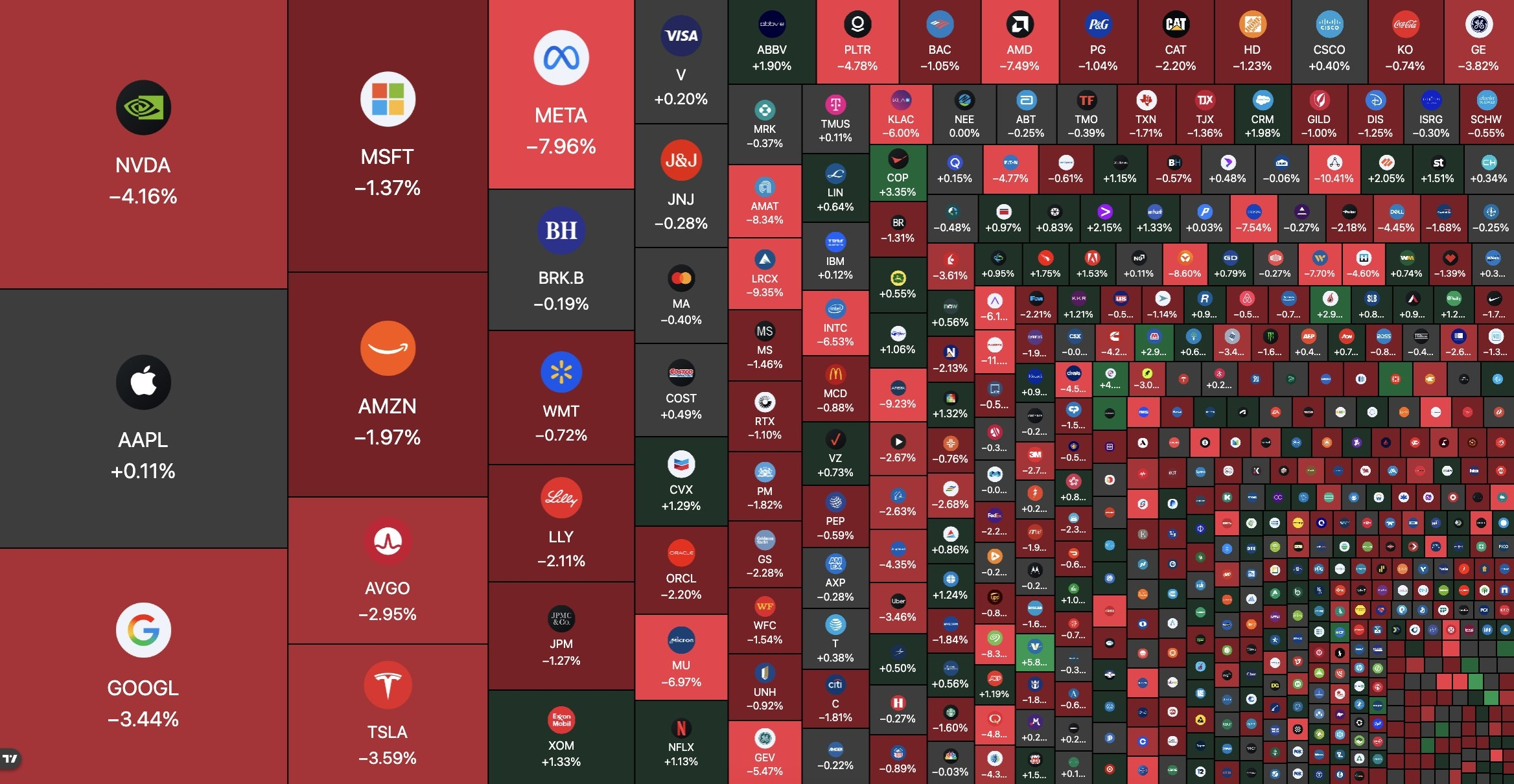
Since the US-Israel strikes on Iran began on February 28, 2026, around $3.2–$3.5 trillion in market value has disappeared from the S&P 500. That’s not just a number on a screen. That’s money pulled out of retirement accounts, institutional portfolios, and everyday investors’ holdings in just a few weeks.
The drop didn’t happen in isolation either. Markets have been sliding to new 2026 lows as the conflict continues, oil prices spike, and uncertainty grows around how long this situation could last.
So what exactly is driving this?
What’s Actually Happening in Traditional Markets
The conflict escalated quickly. Strikes targeted Iranian leadership and infrastructure, Iran responded, and suddenly one of the world’s most important energy chokepoints the Strait of Hormuz was back in the spotlight.
That matters a lot more than most people realize.
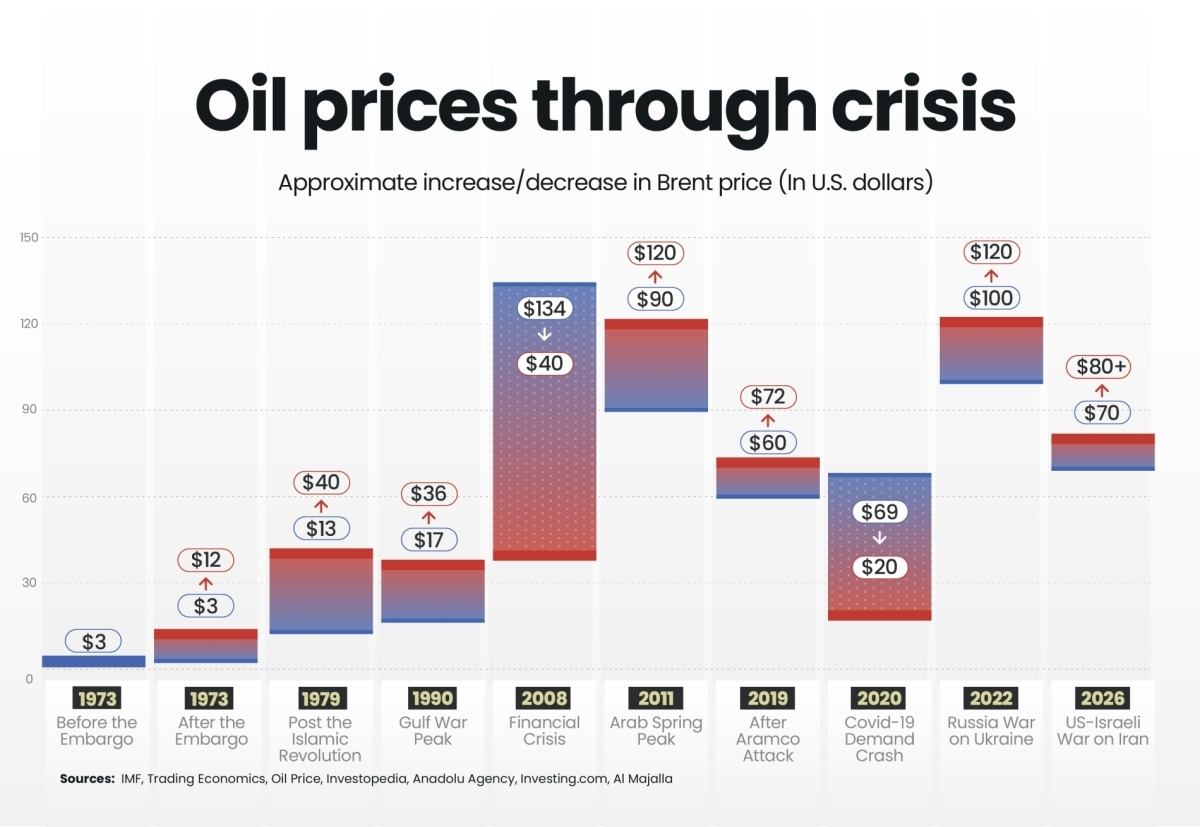
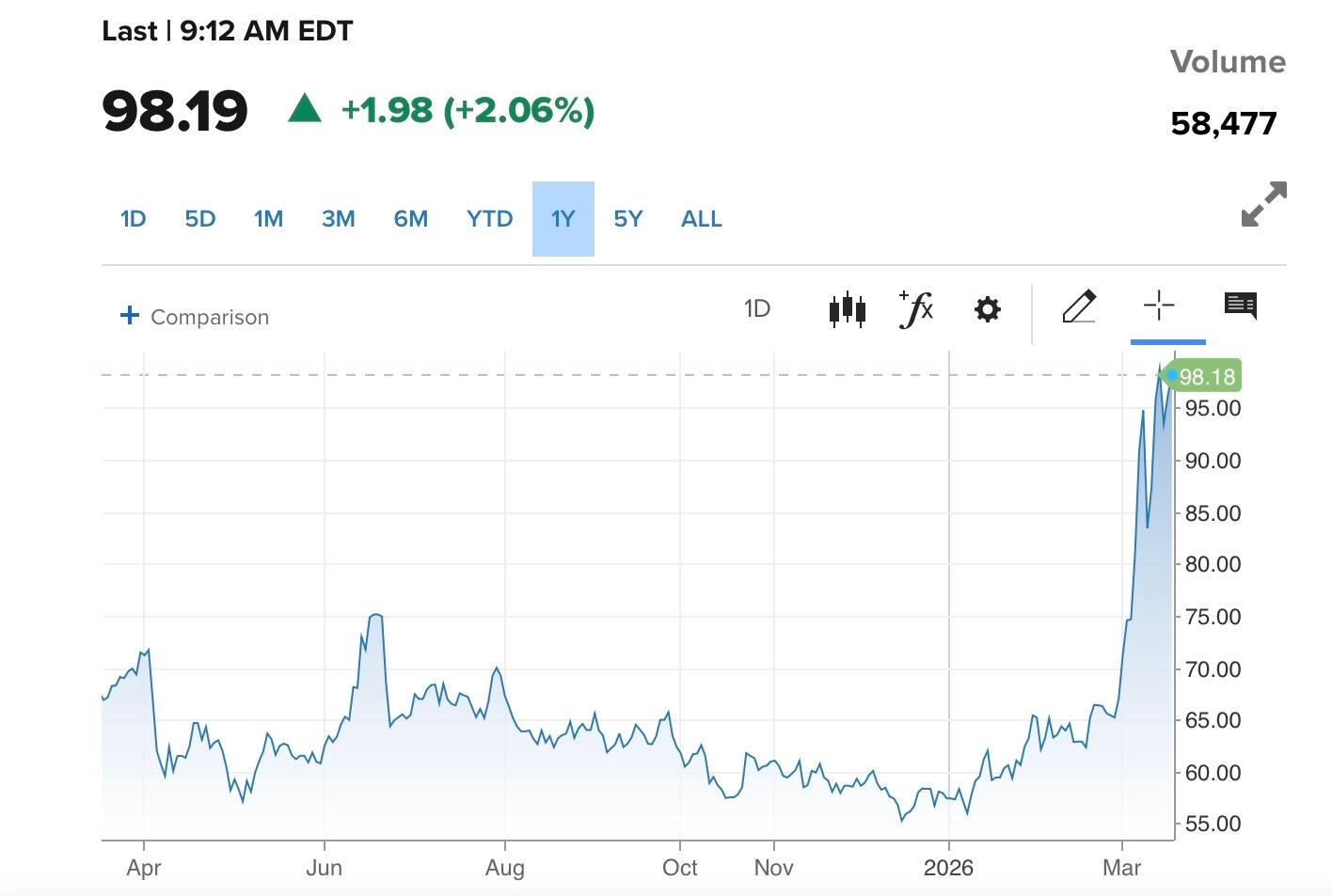
A major portion of global oil flows through that region, and once disruptions or threats started appearing, oil prices reacted fast. At peak volatility, Brent crude surged roughly 30–50%, briefly pushing toward the $100–$120 per barrel range.
And when oil jumps like that, it doesn’t stay confined to the energy sector.
Higher fuel costs ripple through everything:
Transportation
Manufacturing
Food and consumer goods
Global supply chains
That’s where central banks suddenly face a tougher decision.
The Federal Reserve now has to balance two risks at once:
Inflation staying high because of energy costs
Economic growth slowing if the conflict drags on
When markets sense that uncertainty, they typically shift into risk-off mode.
That’s exactly what we’ve been seeing:
Tech and growth stocks taking bigger hits
Energy and defense stocks holding up better in some sessions
The Nasdaq feeling heavy pressure
Markets simply don’t like long, unpredictable conflicts.
And this situation has plenty of unknowns.
Meanwhile Crypto Tells a Slightly Different Story
Crypto hasn’t been immune but the reaction has been more complicated than the usual “Bitcoin is a safe haven” narrative you often hear.
In the short term Bitcoin actually showed some resilience.
During parts of this period:
BTC gained roughly 7–10% in certain windows
It recovered after the initial panic drop
It held important levels around $68K–$70K at times
ETF inflows continued in some stretches
Ethereum and other major assets moved similarly with their usual volatility layered on top.
But one big difference stood out.
Crypto 24/7 Market Became Important
When the first major escalation happened, it was over a weekend.
Traditional markets were closed.
Crypto wasn’t.
Trading volumes spiked as people looked for real-time signals about risk sentiment, oil prices, and global reactions. For a brief moment, crypto markets effectively became the only active global trading venue.
That liquidity mattered.
There was another real-world use case that appeared too.
Inside Iran, reports showed outflows from local exchanges, as people tried to move value out during banking disruptions and sanctions pressure. In that scenario, crypto wasn’t just speculation it was a practical financial exit route.
That’s an important reminder of what the technology can actually do during crises.
But Let’s Be Honest: Bitcoin Isn’t a Perfect Hedge
Bitcoin still behaves like a risk asset during major fear events.
When the escalation first hit:
BTC dropped quickly
Liquidations kicked in
Then it recovered on de-escalation rumors
And later pulled back again when tensions rose
As the conflict stretched into its fourth week, correlations with stocks occasionally moved higher again.
So yes Bitcoin has outperformed stocks and even gold in parts of this short window.
But that doesn’t mean it’s immune to macro pressure.
If we end up in a tougher environment like:
Higher-for-longer interest rates
Liquidity tightening
Persistent inflation
Crypto could still struggle along with other risk assets.
Even gold, the classic safe haven, hasn’t behaved exactly how many expected during this period.
Real crises tend to break clean narratives.
What This Situation Is Actually Teaching Crypto Investors
There are a few takeaways here that are worth paying attention to.
First geopolitical shocks move markets fast.
Initial panic selling happens quickly, then markets bounce on hopes of resolution, then drop again when new developments appear. That cycle can repeat many times before anything actually ends.
Second liquidity structure matters.
Crypto always-open market helped with price discovery, but it also accelerated liquidations early on. ETFs are bringing some stability, but retail-driven volatility is still very real.
Third macro still matters a lot for crypto.
If oil stays high, inflation expectations rise. That can delay rate cuts. And crypto historically performs best when liquidity is abundant and money is cheaper.
A stagflation-type environment would be tough for most assets crypto included.
And finally real utility shows up during stress.
We saw actual examples of crypto being used for capital movement and financial access during disruptions. That’s a grounded use case, not just a narrative.
Wrapping Up;
The $3+ trillion wiped from the S&P 500 shows just how quickly geopolitical events can shake traditional markets.
Crypto has held up relatively better in parts of this episode largely because of its trading structure and moments of partial decoupling but it hasn’t completely broken away from broader risk sentiment.
This doesn’t prove Bitcoin rallies during every crisis.
What it really shows is something more important:
Markets are complex, correlations shift, and diversification only works when you understand how assets behave under pressure.
If you’re watching the crypto market right now, three things matter most:
Oil prices
Signals from the Fed
Any real signs of de-escalation in the conflict
Those will likely shape what comes next.
And honestly, beyond the charts and market caps, the human and economic cost of conflicts like this is the bigger picture we shouldn’t ignore.
#OilPricesDrop #TrumpSeeksQuickEndToIranWar #TrumpSaysIranWarHasBeenWon #Trump's48HourUltimatumNearsEnd #freedomofmoney $BTC