

The more I think about SIGN, the more I believe the biggest decision in front of it is not technical it’s philosophical.
SIGN can either become a system people use, or a language people build with. At first glance, that might sound like the same thing, but in infrastructure, the difference is everything.
A system tries to capture activity.
A language tries to enable activity.
Systems grow by keeping users inside.
Languages grow by spreading outside.
Most crypto projects instinctively move toward becoming systems. It’s the natural direction. You build a protocol, then a product, then another product, then a dashboard, then identity, then distribution, and slowly you own the entire workflow. From a business perspective, this makes sense. From an infrastructure perspective, it can quietly limit how big you become.
Because real infrastructure usually doesn’t feel like a product company. It feels neutral. It feels like something everyone can use without feeling like they’re helping someone else build a moat.
That’s why I think SIGN’s real challenge is not adoption it’s neutrality.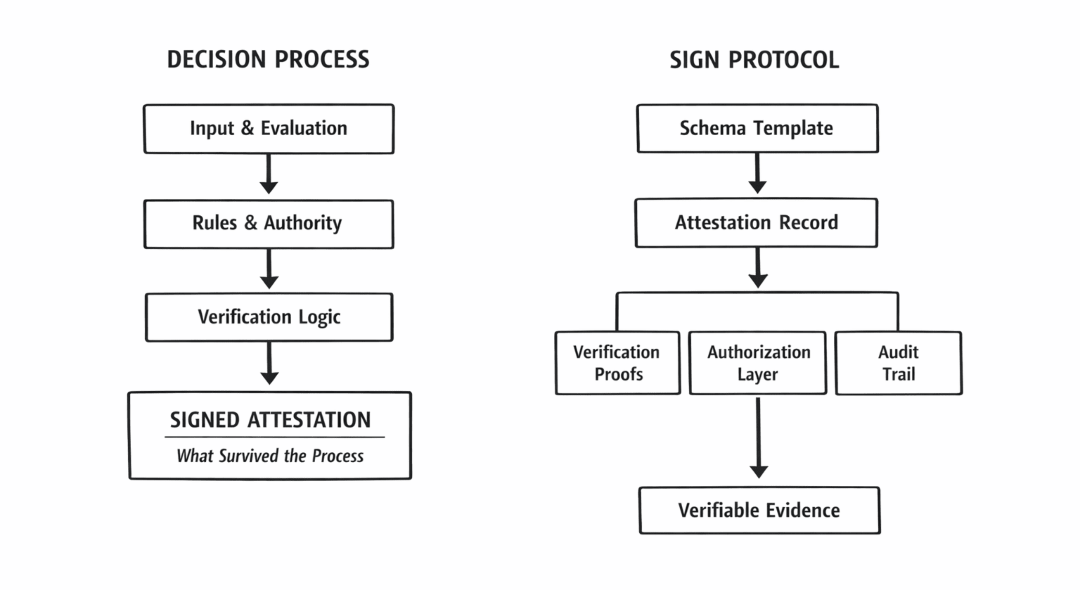
SIGN is building around attestations, credentials, verification, and distribution. That’s not just tooling. That’s trust infrastructure. And trust infrastructure behaves differently from normal software. Its value doesn’t come from how much it controls, but from how widely its proofs are accepted outside its own environment.
A credential is only powerful if it matters somewhere else.
A proof is only infrastructure if multiple systems can read it.
A standard only becomes a standard when people use it without asking permission.
This is why I keep coming back to the idea that SIGN should feel more like a language than a platform.
You don’t “join” a language.
You don’t need permission to use a language.
No one owns how a language is used.
And the more people that speak it, the more valuable it becomes.
That’s exactly the dynamic trust protocols should aim for.
If SIGN becomes a system, it can still be successful. It can have users, integrations, revenue, and ecosystem partners. But if SIGN becomes a language, it becomes something much bigger a layer that other systems depend on without even thinking about it.
And historically, the biggest infrastructure winners are almost always languages, not systems.
People build companies on top of languages.
People integrate systems into companies.
That’s a very different position in the stack.
The hard part is that product success naturally pulls you toward being a system. Every product you build increases gravity. Every feature makes users stay inside your environment. Every integration becomes tighter. And slowly, without realizing it, you stop being neutral infrastructure and start becoming a platform with borders.
That’s the trap many infrastructure projects fall into. They build great products, but those products become walls instead of bridges.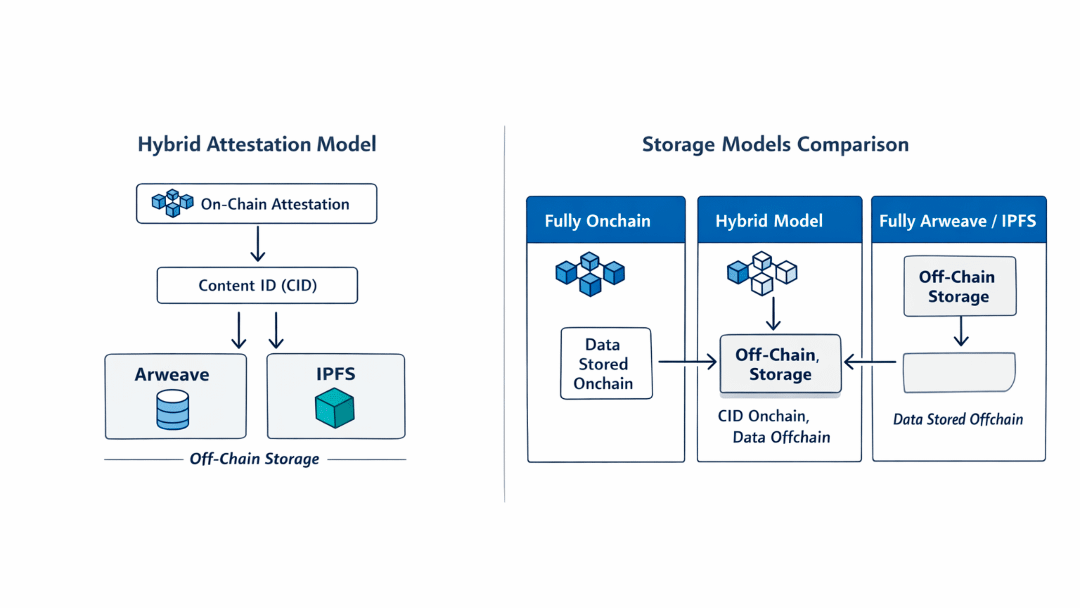
So the real strategic challenge for SIGN is balance:
Build enough products to prove the protocol is useful, but not so many that the protocol becomes inseparable from the company.
Because in trust infrastructure, neutrality is not a marketing message. It’s a design decision.
In crypto, we often assume the strongest project is the one that captures the most value, the most users, and the most activity. But infrastructure sometimes works the opposite way. Sometimes the strongest layer is the one that captures the least directly, but becomes impossible to replace because everyone builds on top of it.
So when I think about SIGN’s future, I don’t think the most important question is how many products it launches, how many chains it integrates, or how many users it gets.
I think the most important question is much simpler:
In five years, will people feel like they are using SIGN, or speaking SIGN?
Because if they are speaking it, then SIGN isn’t just a project anymore.
It’s infrastructure.
