
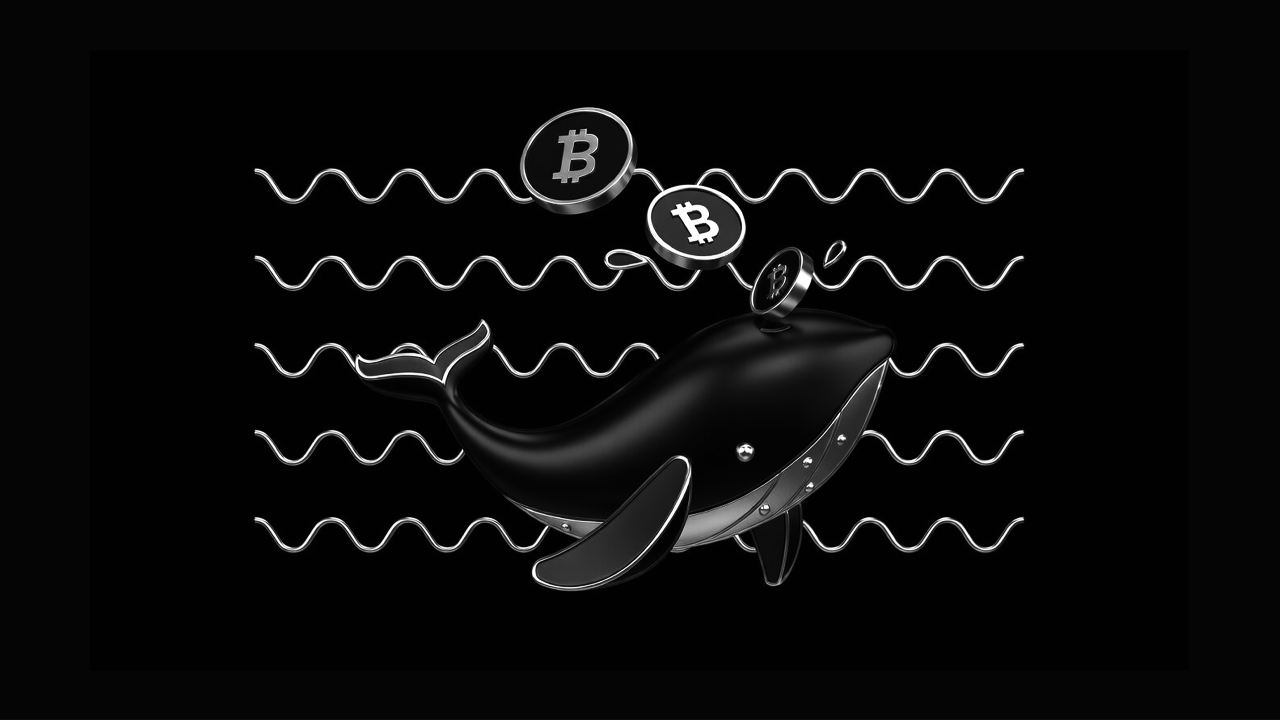


In crypto markets, large holders—often referred to as “whales”—can significantly influence price movements. Their activity is closely watched by traders because it can reveal potential market direction. One key concept tied to this behavior is whale accumulation zones, areas where large players gradually build positions over time. Assets like Bitcoin and Ethereum frequently exhibit these patterns, especially during consolidation phases.
Understanding how these zones work can provide valuable insights into market structure and future price action.
What Are Whale Accumulation Zones?
Whale accumulation zones are price ranges where large investors systematically buy assets without causing major price spikes. Instead of placing one large order, whales typically accumulate gradually to avoid slippage and market attention.
These zones often form during periods of:
Sideways price movement (consolidation)
Low volatility
Reduced retail interest
While the market may appear inactive, significant buying activity can be happening behind the scenes.
Why Whales Accumulate Gradually
1. Minimizing Market Impact
Large orders can move the market significantly. By spreading purchases over time, whales avoid pushing the price up too quickly.
2. Better Average Entry Price
Accumulating within a range allows whales to secure a favorable average cost.
3. Avoiding Attention
Stealth accumulation helps prevent retail traders from front-running or reacting prematurely.
How Accumulation Zones Affect Price
1. Strong Support Formation
Accumulation zones often become key support levels. Since whales have built positions in this range, they may defend it if the price revisits the zone.
2. Reduced Downside Volatility
As buying pressure increases, sharp drops may be absorbed more quickly.
3. Potential for Breakouts
Once accumulation is complete, even a small increase in demand can trigger a strong upward move due to reduced available supply.
Identifying Whale Accumulation Zones
While whale activity is not always directly visible, traders look for several indicators:
Consistent buying volume within a narrow price range
Repeated price bounces from a specific level
Decreasing volatility over time
On-chain data trends showing increasing wallet balances
These signals suggest that large players may be building positions.
The Psychology Behind Accumulation
From a psychological perspective, accumulation zones often occur when:
Retail traders lose interest due to lack of movement
Sentiment is neutral or slightly bearish
The market appears “boring”
Ironically, these conditions can create ideal opportunities for long-term investors.
Risks of Misinterpreting Accumulation
Not all consolidation phases are accumulation zones. Some may represent:
Distribution (whales selling instead of buying)
Lack of demand
Market indecision
Misreading these patterns can lead to incorrect trading decisions.
Accumulation vs Distribution
Understanding the difference is critical:
Accumulation: Large players are buying, often leading to future price increases
Distribution: Large players are selling, often preceding price declines
The challenge lies in distinguishing between the two in real time.
Strategic Takeaways
Accumulation zones can signal potential long-term support
Breakouts from these zones may lead to strong trends
Patience is often required, as accumulation can take time
Confirmation from multiple indicators improves reliability
Conclusion
Whale accumulation zones play a significant role in shaping market structure and future price movements. While they may appear as quiet, uneventful periods, they often represent strategic positioning by large investors.
Recognizing these zones can give traders an edge, but it requires careful analysis and patience. In crypto markets, what looks like inactivity is sometimes where the most important moves are quietly being prepared.
--
Disclaimer: The information provided herein is offered "as is" for illustrative and informational purposes only, with no representation or warranty whatsoever. This information is not intended to vouch for financial, legal, or other professional advice, nor does it endorse the purchase of any particular product or service.