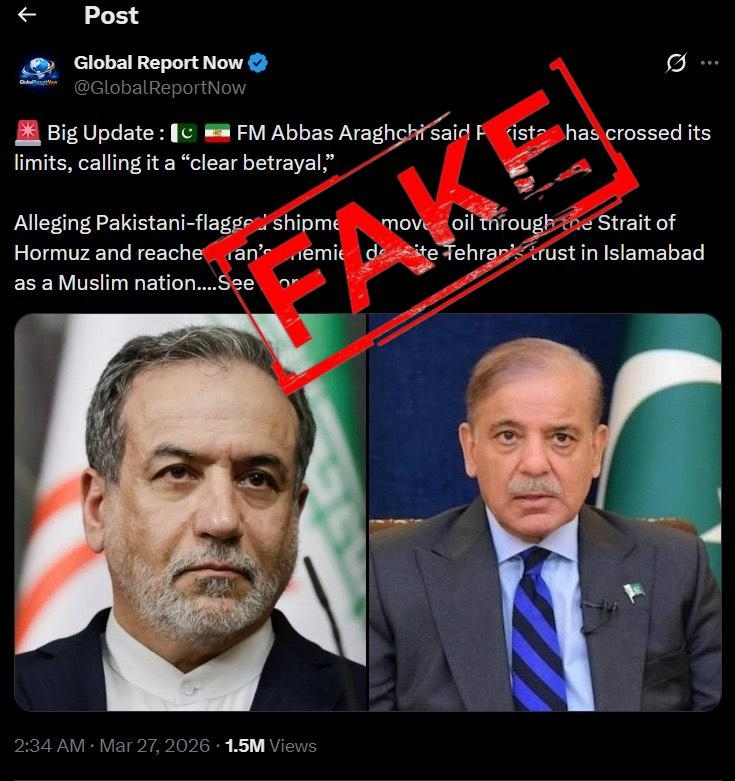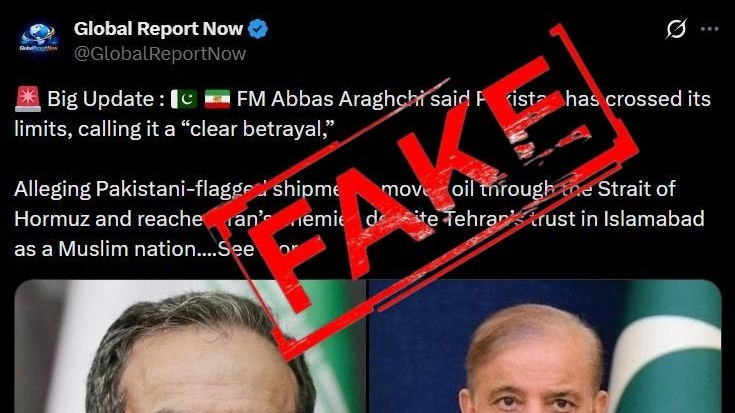
In today’s fast-paced digital landscape, information spreads rapidly—often without proper verification. Unfortunately, not all sources uphold the standards of accuracy and responsibility that reliable journalism demands. Many accounts circulating news on social media platforms are increasingly sharing misleading content that does not reflect reality. In some cases, these narratives are not just inaccurate but potentially harmful, contributing to confusion, polarization, and mistrust.$BTC

It is essential to recognize that not every widely shared post is rooted in fact. The rise of unverified accounts presenting opinions or distorted information as “news” has made it more difficult for readers to distinguish truth from falsehood. These accounts may intentionally or unintentionally promote narratives that lack evidence, context, or credibility.
As responsible consumers of information, we must be vigilant about where we get our news. Relying on official, verified, and credible sources is more important than ever. Established news organizations follow journalistic standards, verify their information, and are accountable for what they publish. This makes them far more reliable than anonymous or unverified accounts.$ETH

In an era where misinformation can have real-world consequences, the responsibility also lies with readers to question, verify, and think critically. By choosing credible sources and rejecting misleading narratives, we can contribute to a more informed and responsible society.