

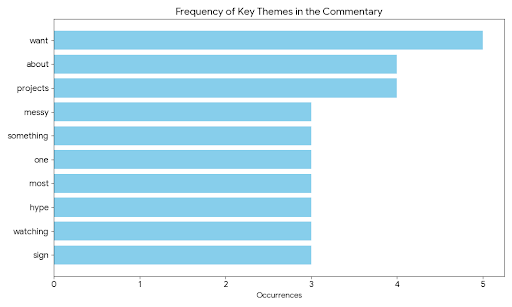
SIGN. I’ve been watching it for a few days, off and on, mostly because I’m tired of the usual hype. Most projects that talk about infrastructure and credentials just end up being noise. But this one made me pause. Not because it’s flashy. Not because someone is selling a story. Just because it’s trying to solve something messy. And messy things in crypto rarely get solved cleanly.
Credential verification. Token distribution. I’ve seen too many projects promise these words and then collapse under their own assumptions. People want proof, but they also want shortcuts. They want access, but they also want status. They want fairness, but they hate rules. Every time a project tries to manage that, it either turns into chaos or disappears quietly. SIGN isn’t claiming magic. That doesn’t make it perfect, but at least it’s operating in the part most ignore. The boring part. The friction nobody wants to deal with.
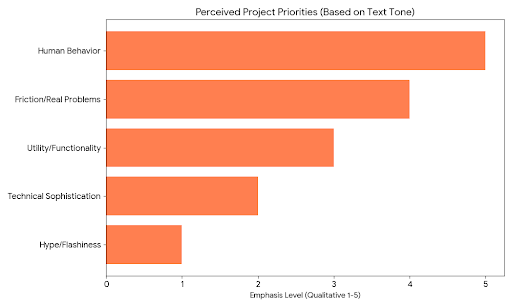
I keep looking at the mechanics, because hype never solves the hard parts. Verification isn’t about a slick UI; it’s about behavior. Will people actually use it? Will they trust it when the first mistakes happen? Will the system hold when someone decides to game it? Distribution is even trickier. Incentives leak faster than anyone admits. People chase advantage, not fairness. That’s the part most projects never survive.
And yet, there’s something here worth noticing. The problem it touches is real. The friction it addresses is the kind you can’t just ignore. Useful doesn’t mean adopted, I know that. I’ve watched useful things fade while the loudest nonsense thrives. But projects that survive the messy middle—when no one is watching and the rules start bending—those are the ones that matter. SIGN might be one of those, or it might vanish quietly. I don’t know.
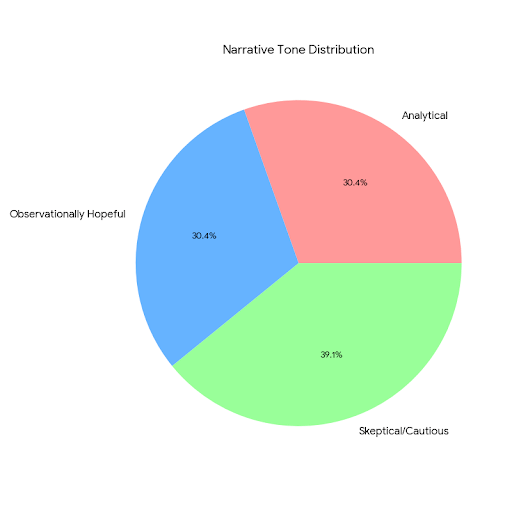
I’m watching because the work it’s trying to do is human, not just technical. Humans break systems faster than code ever could. And maybe that’s why I pay attention. Because real problems stick around even after the hype is gone, and even if it fails, observing it tells you something about what actually works. I’m not sold. I’m not excited. I’m just looking. And for now, that’s enough.