
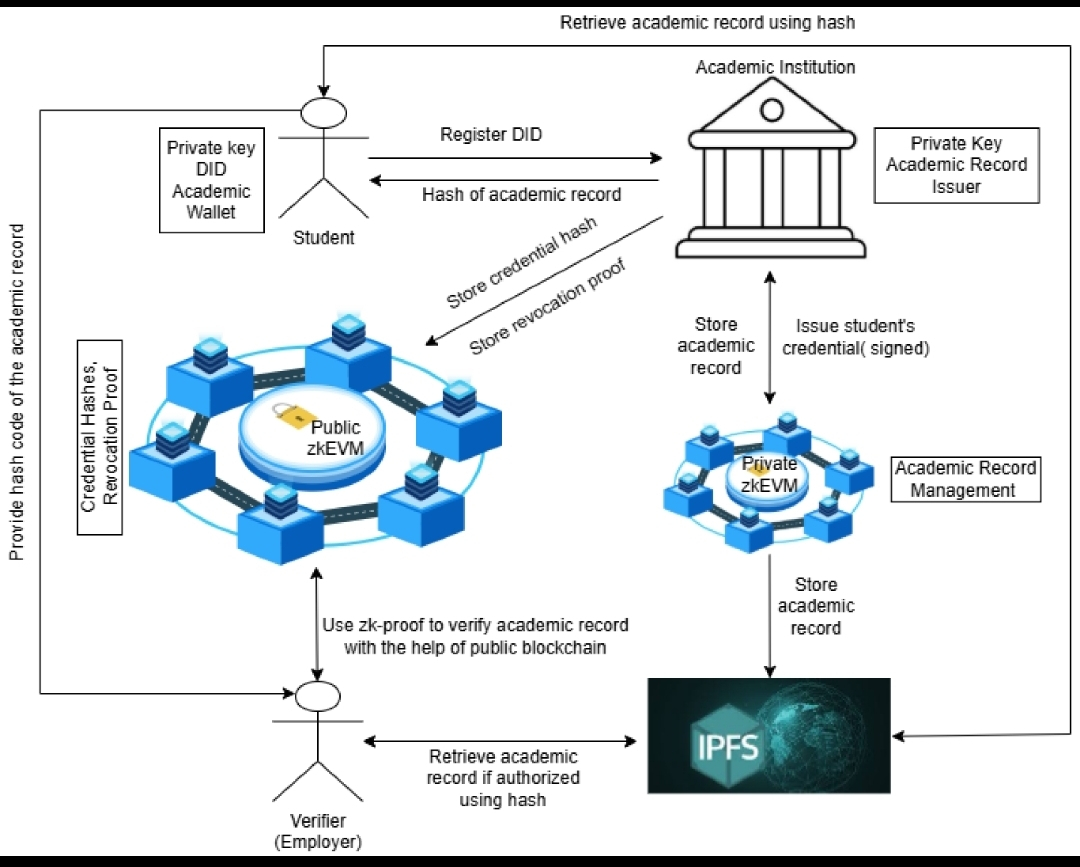
I was switching between a few different platforms the other day connecting the same wallet again and again and something felt a bit strange Every time I landed on a new app it was like starting from zero No context no recognition no sense that the system knew anything about what I’d done before. Just a wallet address… and nothing else.
That’s when it really hit me. In Web3, we talk a lot about ownership, transparency, and open data. But when it comes to history, most systems don’t actually remember you in a meaningful way. They can see your transactions, sure… but they don’t really understand them. They don’t know what you contributed, what you participated in, or what that activity actually represents.
And that’s where Sign Network starts to feel important from a different perspective. Not just as an attestation protocol, but as a way to turn raw activity into something that actually carries meaning across platforms. Because right now, your wallet has history… but it’s not structured in a way that other systems can reliably use. It’s just data sitting there, waiting to be interpreted differently by every new app you interact with.
Sign changes that by introducing attestations as a way to formalize those interpretations. Instead of each platform guessing what your activity means, a claim can be defined clearly and verified under specific conditions. So rather than a system saying “this wallet looks active,” it can rely on something more concrete… a verifiable statement that this wallet participated, contributed, or qualified under a defined framework.
What makes this more interesting is that these claims don’t stay locked inside one ecosystem. They’re portable. That means your history doesn’t reset every time you connect somewhere new. It moves with you. And that’s a subtle but important shift, because it changes how identity works in Web3. It’s no longer just tied to your address… it’s tied to what you can actually prove about that address.
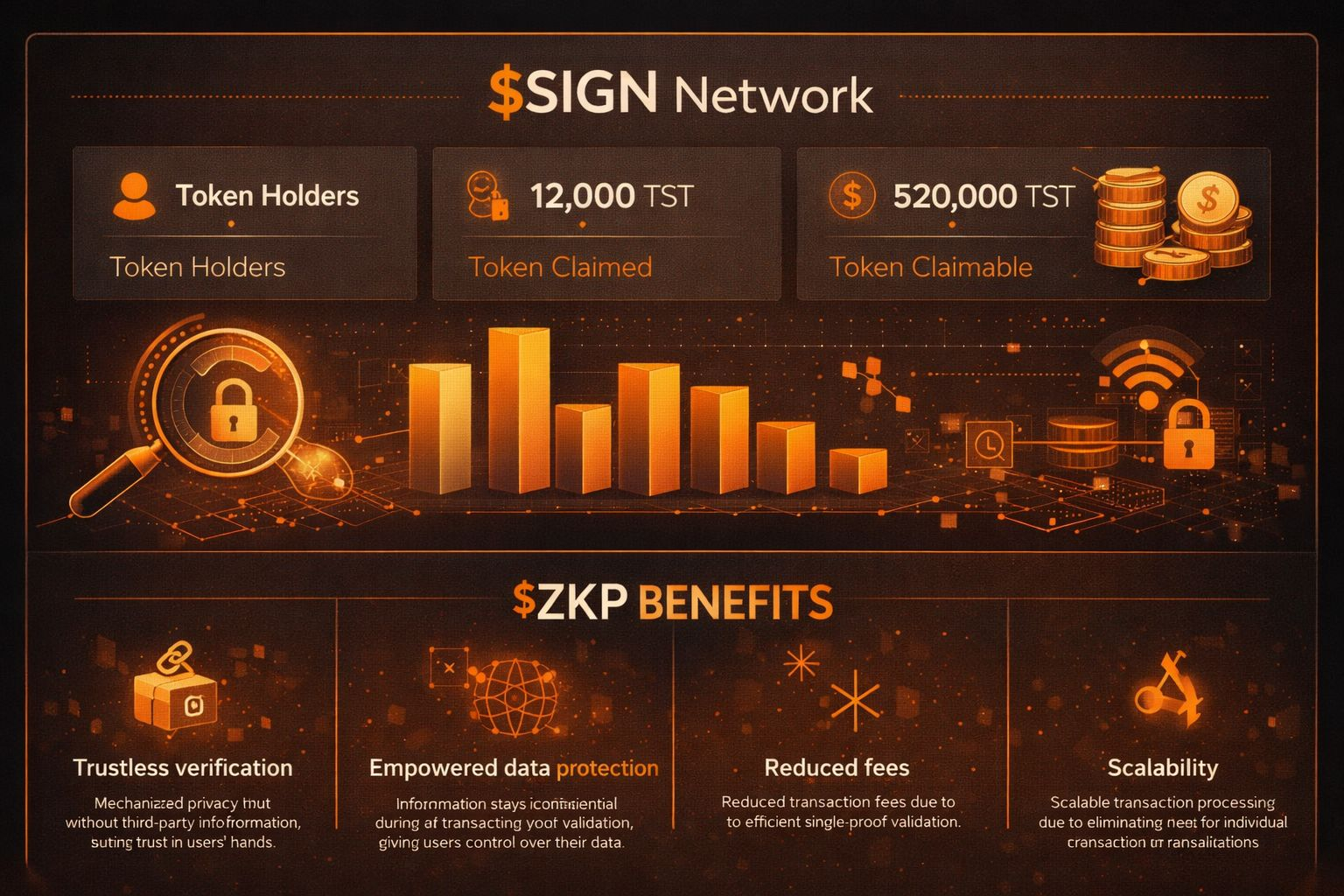
The idea of Digital Sovereign Infrastructure starts to make more sense here. It’s not about creating profiles like in Web2, where platforms own your data. It’s about owning the verified claims that describe your activity. You don’t depend on a single app to recognize you… you carry that recognition with you in a form that other systems can trust.
And the more I think about it, this might be one of the reasons Web3 still feels fragmented today. Not because data is missing, but because meaning isn’t shared. Every platform rebuilds its own understanding of users from scratch. Sign is basically trying to fix that layer… not by adding more data, but by making that data interpretable, provable, and reusable across systems.
It’s one of those ideas that doesn’t look flashy at first but once yOu notice the gAp it’s addressing… it’s hard to unsee it. Because without a way to carry history in a meaningful way, every interaction starts over. And that’s probably not how an open ecosystem is supposed to work.